Tree and limb punctures
A falling limb can crack decking and framing beneath the shingles. The hole is obvious; the structural damage under it needs a close look before it is covered.
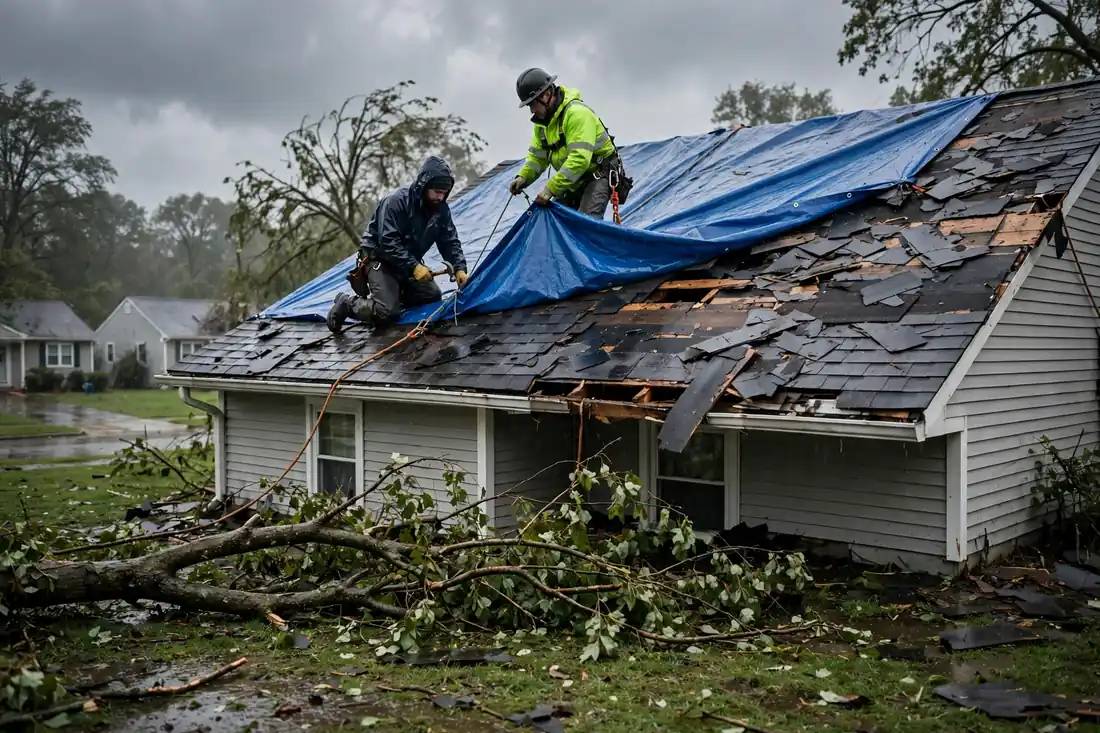
When a storm opens your roof — fallen limbs, torn-off shingles, active leaks — the first job is stopping the water. Emergency tarping, temporary sealing, and the permanent repair that follows.
Active leak, storm damage, or a section open to the weather — call now and describe what you are seeing. You will be connected with a local roofing professional.
Roof emergencies do not keep office hours. A nor'easter peels a ridge at midnight, a dead oak drops a limb through the decking, ice works a seam open and the thaw sends water down a bedroom wall. Emergency roof repair is the discipline of the first response: make the opening weather-tight as fast as conditions safely allow, protect what is inside the house, and set up the permanent repair that follows once the storm has passed.
The roofing professionals in this network treat emergency calls as triage. An actively leaking roof over a child's bedroom outranks a missing shingle over a dry garage, and a tarp placed correctly — anchored past the damage, lapped to shed water, secured against the next gust — is skilled work, not a plastic sheet and hope. This page explains what to do in the first hour, what the roofer does on arrival, and how the temporary fix becomes a permanent one.
A drip that will not stop, a bulging ceiling, or water running down a wall means the roof is open somewhere. Every hour of rain adds damage to insulation, drywall, and framing.
A limb on the roof, a section of shingles missing, flashing hanging loose, or daylight visible through the attic — damage you can see from the yard is damage the next rain will find.
A stain that grows during a single storm is not a slow seep; something has opened. Fast-spreading water argues for tarping now and diagnosis when the weather breaks.
Lifted ridge caps and peeled eave edges are entry points that worsen with every gust. Securing them quickly keeps a repairable problem from becoming a torn-off slope.
The first goal is water control, not cosmetics. For an open or punctured section, that usually means a heavy tarp installed to professional standards: sized to extend well past the damage on every side, oriented so its edges shed water downhill rather than catching it, and anchored with wood strips and fasteners placed where they will not create new holes in sound roofing. For lifted shingles and flashing, it means reseating and sealing what the wind moved, and covering what cannot be reseated.
Once the house is dry inside, the second phase begins: a full inspection of the damaged area, the deck beneath it, and any interior water path, followed by the permanent repair — new decking where wood was crushed or soaked, matched shingles woven in, flashing rebuilt. The emergency visit and the permanent repair are one story told in two chapters, and the documentation from the first — photos of the damage as found — supports the second, and your insurance conversation, if you file one.
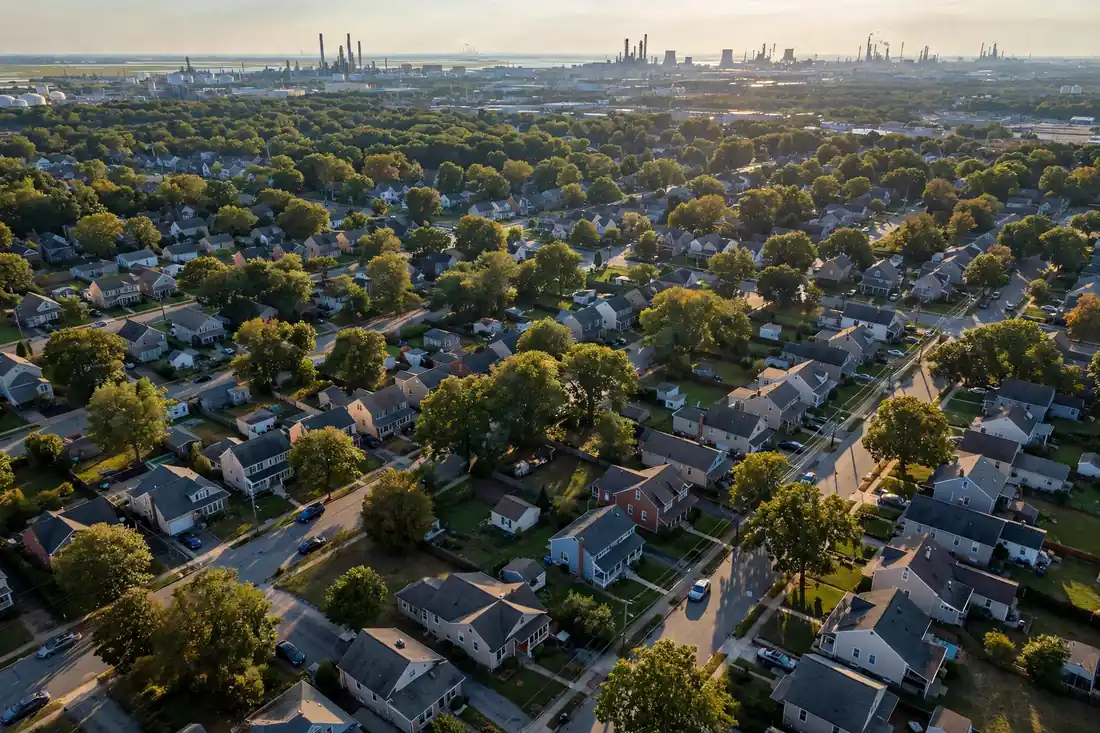
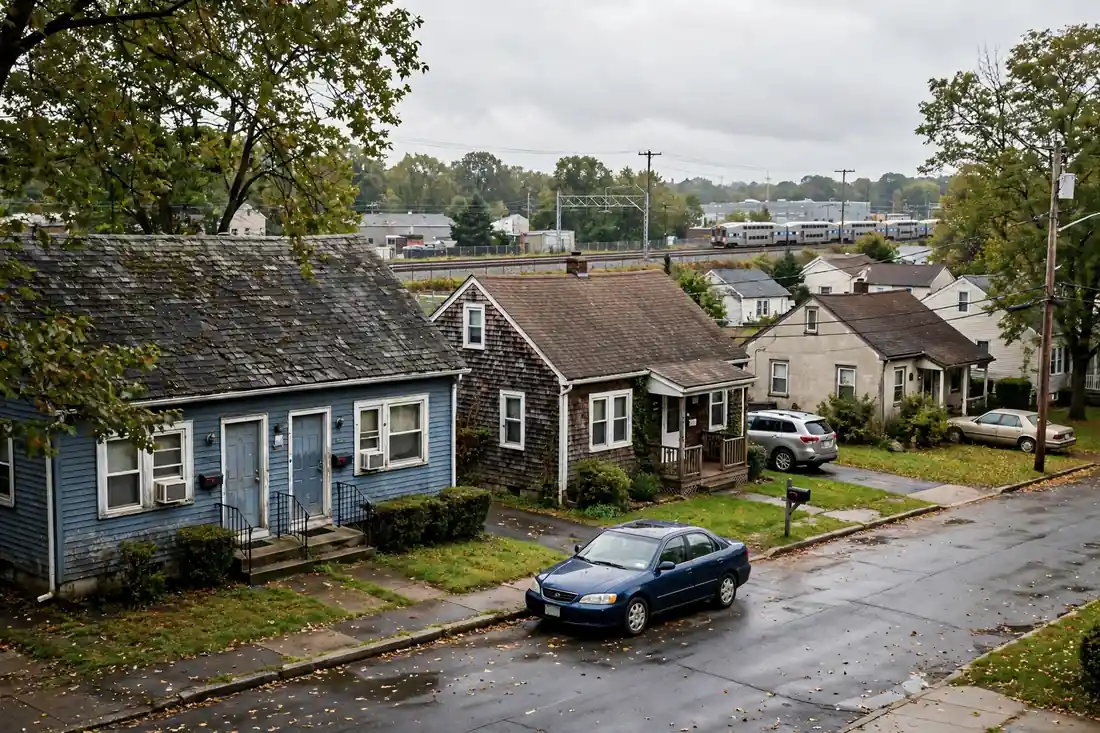
New Jersey's storm calendar writes its own emergency list. Late-summer hurricanes and their remnants track up the coast — the state still remembers Sandy reshaping shore roofs in a single night. Nor'easters stall offshore for days, driving rain horizontally under shingles and pushing tidal water against coastal towns from Toms River to Perth Amboy. Winter adds ice dams on the older, poorly insulated housing stock of Essex, Union, and Passaic counties, and spring thunderstorms drop the dead limbs that winter weakened.
Local emergency roofers plan around those patterns: tarps and materials staged before a forecast storm, crews who know which neighborhoods flood and which streets lose trees first, and honest triage when a big storm puts fifty roofs ahead of yours. When you call, describing the damage precisely — active leak, limb down, section missing — puts your home in the right place in that queue.
A falling limb can crack decking and framing beneath the shingles. The hole is obvious; the structural damage under it needs a close look before it is covered.
Gusts that get under one loose edge can unzip a whole course of shingles, exposing underlayment that was never meant to face the weather alone.
Water entering during a storm damages ceilings, insulation, wiring, and belongings simultaneously — stopping entry is the entire first job.
A tarp thrown over a roof without proper anchoring becomes a sail in the next gust, and a bucket-and-towel approach inside does nothing for the water soaking the structure.
Emergency work moves in a deliberate order — safety, water control, then permanence:
No one climbs a wet, wind-blown roof on a guess. The roofer judges conditions, checks for electrical and structural hazards, and works the problem from safe positions.
Tarping or temporary sealing that is expected to hold through the remaining storm — installed to be inspected and removed cleanly when the permanent work begins.
What is broken, what is temporarily secured, and what the permanent repair involves — in plain terms, before the crew leaves.
The follow-up repair is scoped and scheduled while the damage is documented, not left as a someday project under a fading tarp.
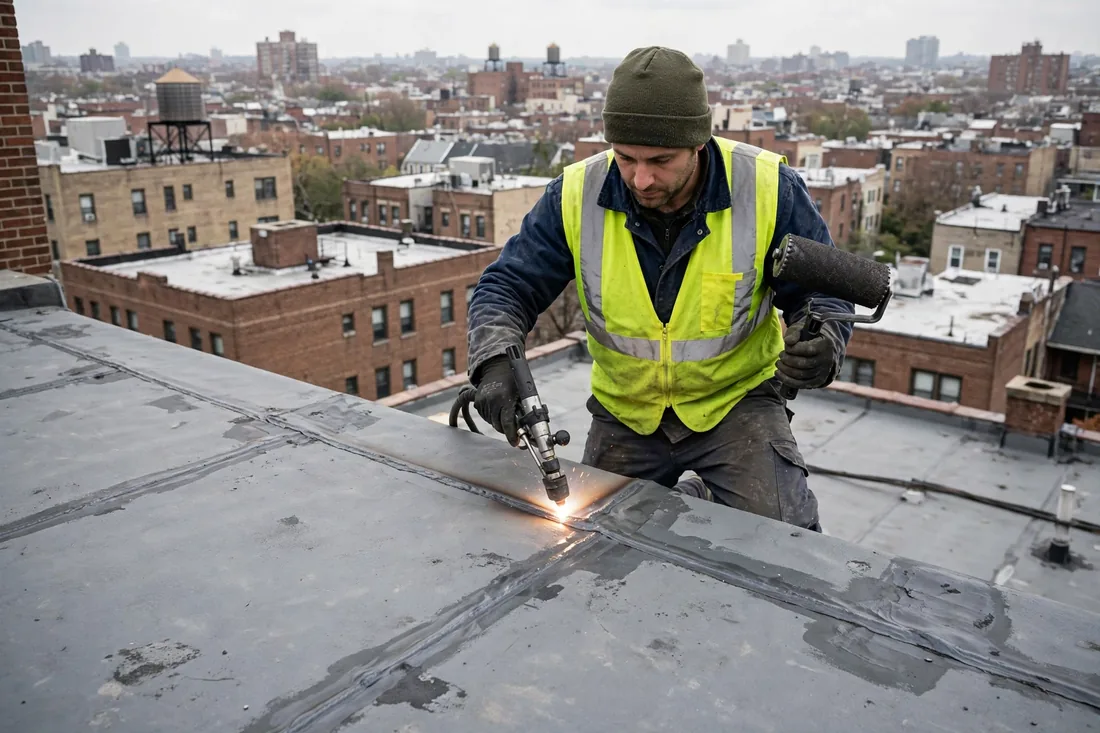
A good tarp buys weeks, not seasons. Ultraviolet light and wind work on it daily, and the fasteners that hold it are a compromise by design. Treat the tarp as a bridge with a date on it: keep the permanent repair scheduled, glance at the tarp after every windy night to confirm it has not shifted, and call if an edge lifts — a five-minute reseat now beats a second emergency later.
Inside, dry everything the water touched. Wet insulation holds moisture against the deck and framing long after the ceiling looks dry; your roofer or a water-damage professional can check moisture levels. If you are documenting for insurance, keep the photos, the emergency invoice, and the permanent repair scope together — that paper trail is the claim.
Wet shingles and gusts make roofs treacherous exactly when damage tempts owners up a ladder. The interior bucket brigade is your job; the roof belongs to the crew, when conditions allow.
Fasteners driven through good roofing create tomorrow's leaks. Proper tarping anchors at edges and with strips, placed to be removable without new damage.
Water in the structure is never idle. A call during the storm joins the triage queue; a call next week joins a longer one, with more damage to repair.
Months under a tarp all but ensures deck rot beneath it. The temporary fix has one job: protecting the house until the scheduled permanent work.
Photograph the damage from the ground and the attic before anything is covered. Undocumented storm damage is hard to support in any later conversation with an insurer.
Most limb punctures come from dead or overhanging branches that arborists can identify in minutes. Removing them in calm weather is the simplest roof protection there is.
The lifted shingle and tired flashing you have been watching are exactly where storm wind gets its first grip. Small repairs in fair weather prevent emergency calls in foul.
An inspection in a quiet season tells you which slopes would worry a roofer in a storm — and gives you the baseline photos documentation starts from.
Active leak, limb down, shingles missing — say what you see and where. During declared storm events, calls are triaged by severity so the worst water is stopped first.
Move belongings, set containers under drips, and if a ceiling bulges with water, call that detail out — it changes what the crew brings and does first.
When conditions allow safe work, the opening is covered and secured, lifted materials are reseated or covered, and the water path is verified closed.
Once weather clears, the damaged area is opened, decked, flashed, and re-shingled to match — and the temporary coverings come off for good.
Local roofing professionals for emergency roof repair serve Newark and fifteen more New Jersey cities. Choose your city for local detail:
It depends on the storm and the queue — during a major event, calls are triaged so active leaks and open roofs are reached first. Calling early, and describing the damage accurately, is what places your home correctly in that order. Hours are Mon–Fri 7 AM–10 PM, Sat 8 AM–10 PM, Sun 7 AM–9 PM ET.
A tarp is a bridge, not a destination. It protects the house for weeks while the permanent repair is scheduled, but sun and wind degrade it steadily, and the damaged materials beneath it do not heal. Every emergency tarping should end with a dated plan for the real fix.
That depends on your policy and the extent of damage. Document everything — photos before and after tarping, the roofer's damage report, and invoices — and then talk to your insurer with the full picture in hand. Your roofer can supply the documentation; the claim decision is yours.
Yes, with the right conditions. Roofers work through New Jersey winters on dry days above the temperatures where sealants and shingles behave properly, and a tarped roof can be permanently repaired during any fair-weather window.
Protect the inside: move furniture and electronics out of the water's path, catch drips in containers, and photograph everything. Stay off the roof and out from under any ceiling that is bulging — and if water is reaching outlets or the panel, treat it as an electrical hazard and say so when you call.
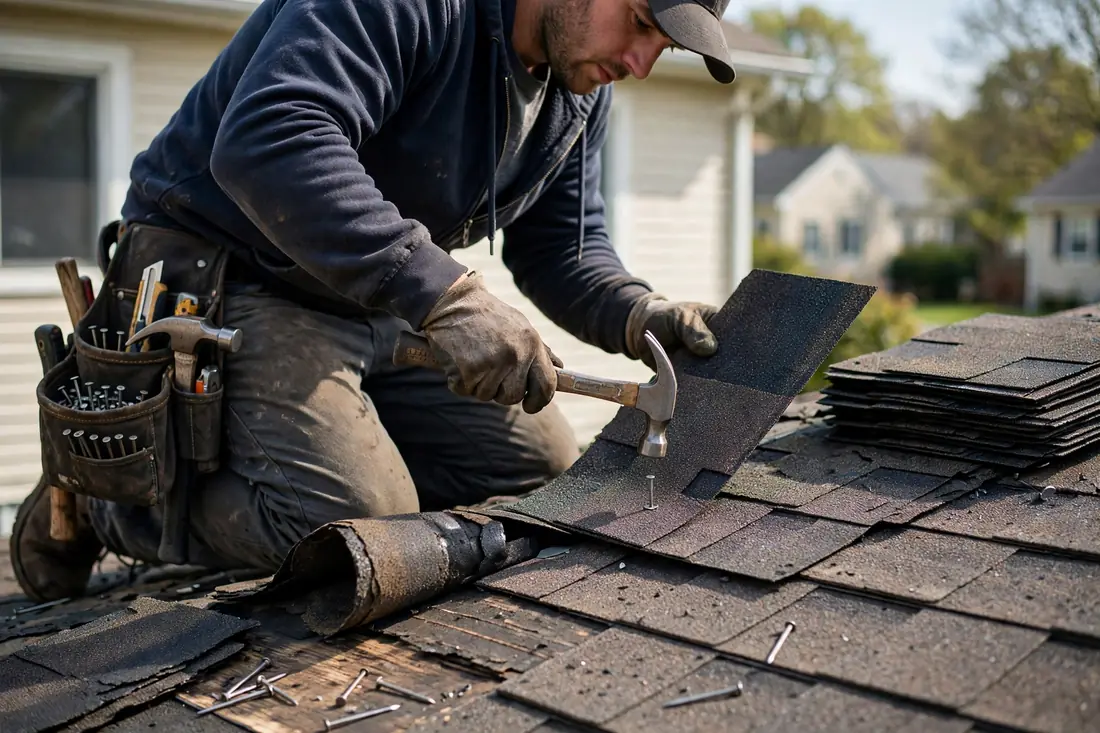
Targeted repairs for the failures New Jersey roofs actually develop — lifted shingles, tired flashing, worn pipe boots, and small leaks caught before they reach the ceiling.
Explore Roof Repair →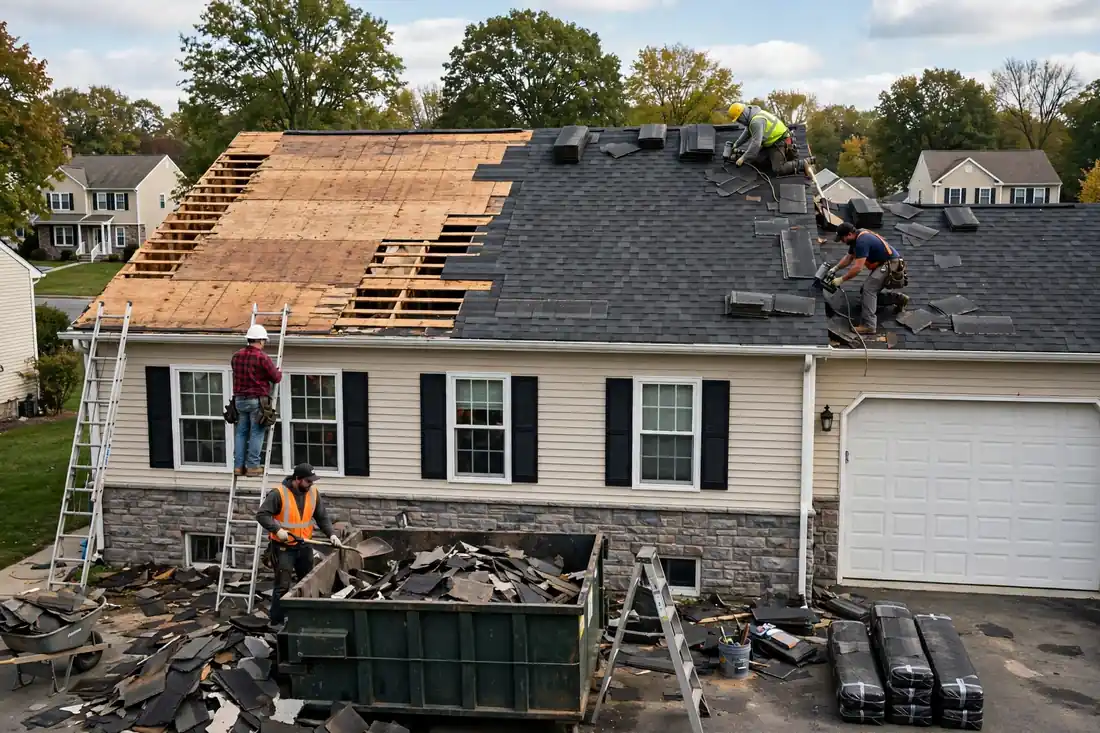
Full tear-off and re-roofing for New Jersey homes whose shingles have reached the end of their service life — deck inspection, modern underlayment, and a roof built for nor'easters and freeze-thaw.
Explore Roof Replacement →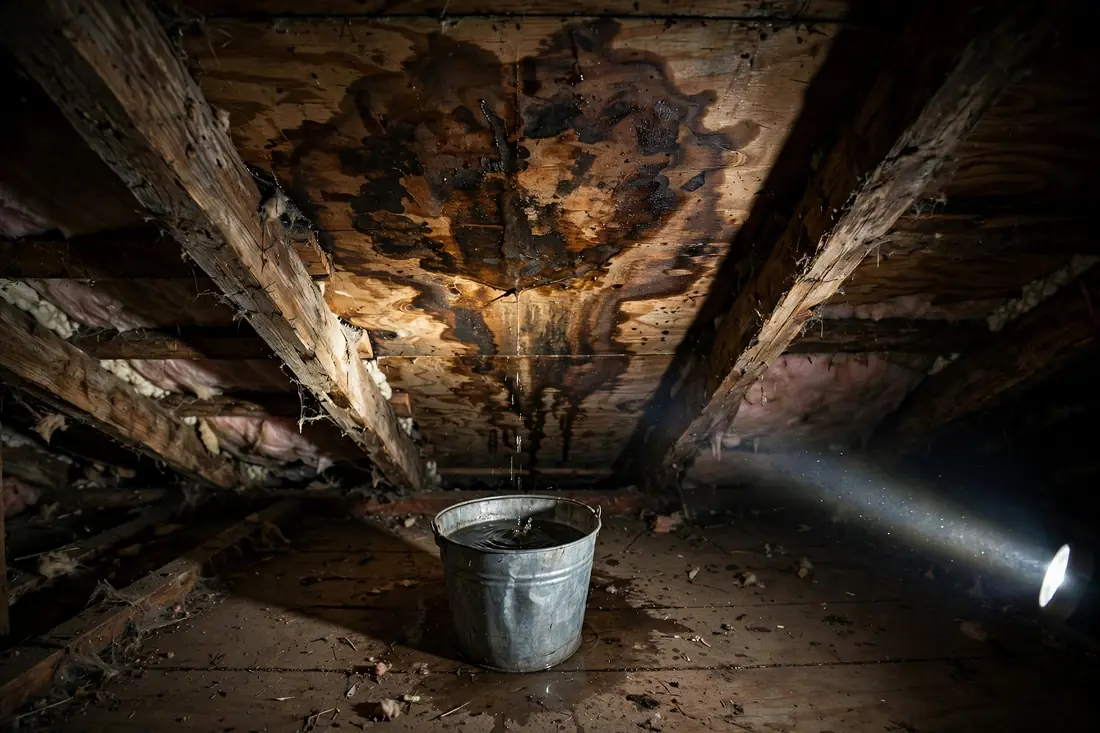
Leak detection and repair that starts where the water starts — tracing stains back through the attic to the failed flashing, boot, or seam that let the water in.
Explore Roof Leak Repair →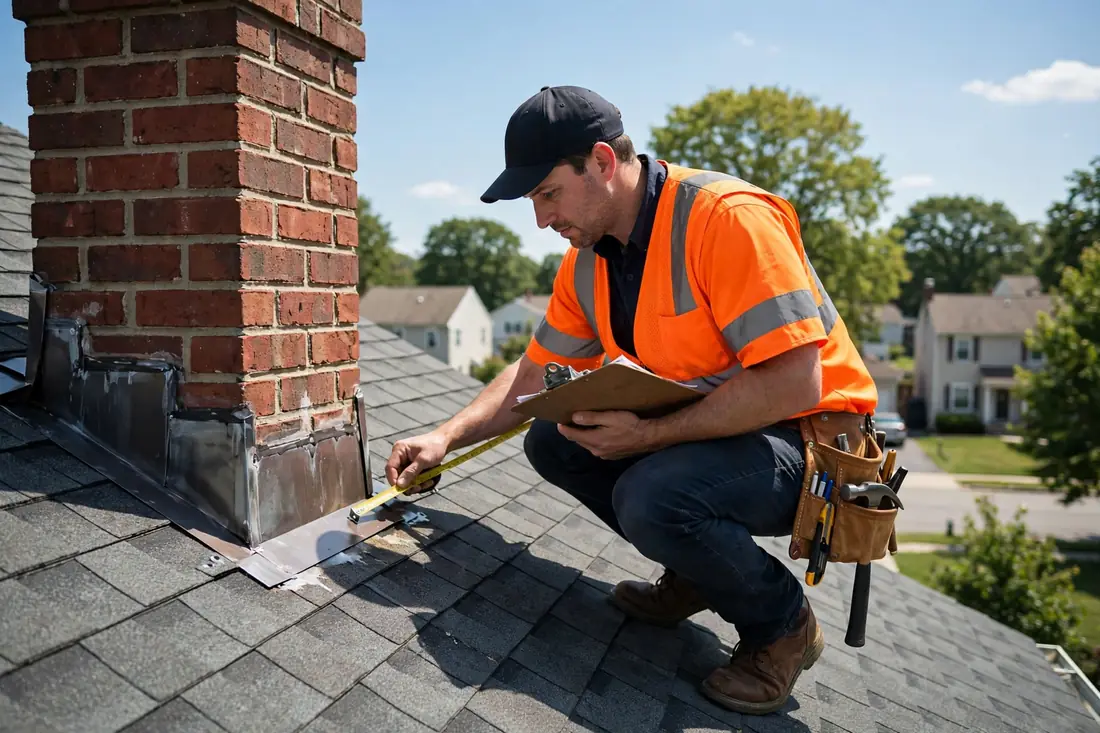
A full condition report for your roof — surface, flashing, deck indicators, attic, and ventilation — so repair, replacement, and storm decisions rest on evidence instead of guesses.
Explore Roof Inspection →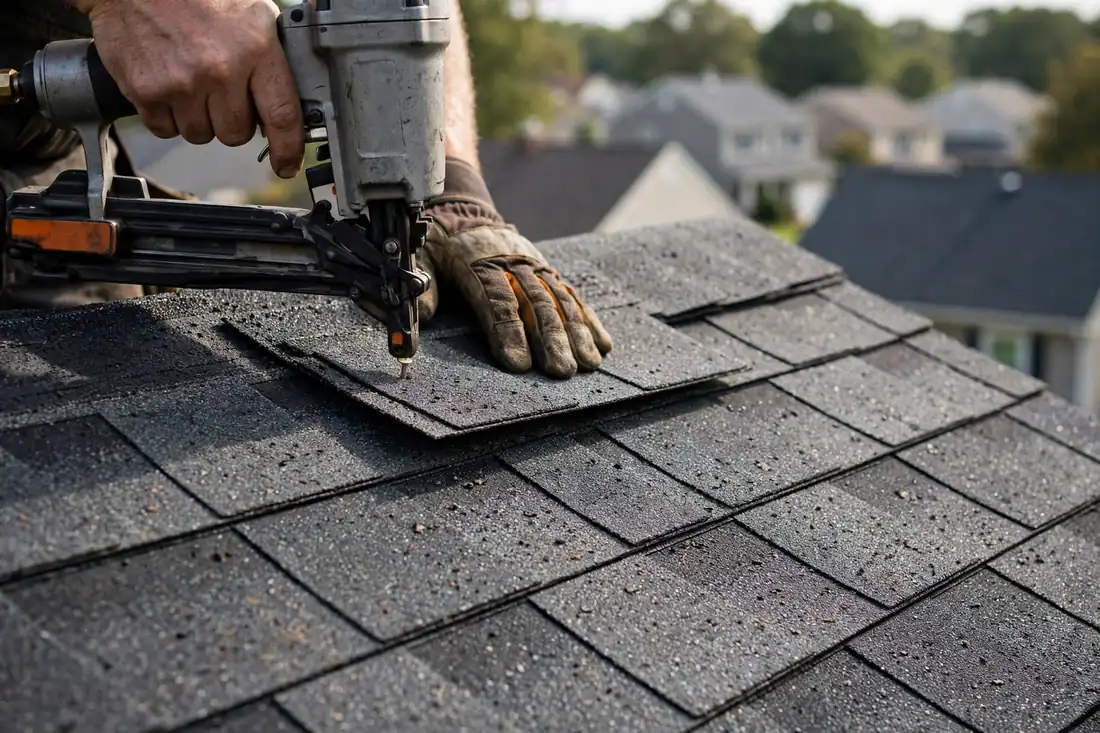
Architectural asphalt shingle installation and replacement — the workhorse roof for New Jersey homes, detailed for wind, ice, and summer heat, in the profiles and colors that suit each neighborhood.
Explore Shingle Roofing →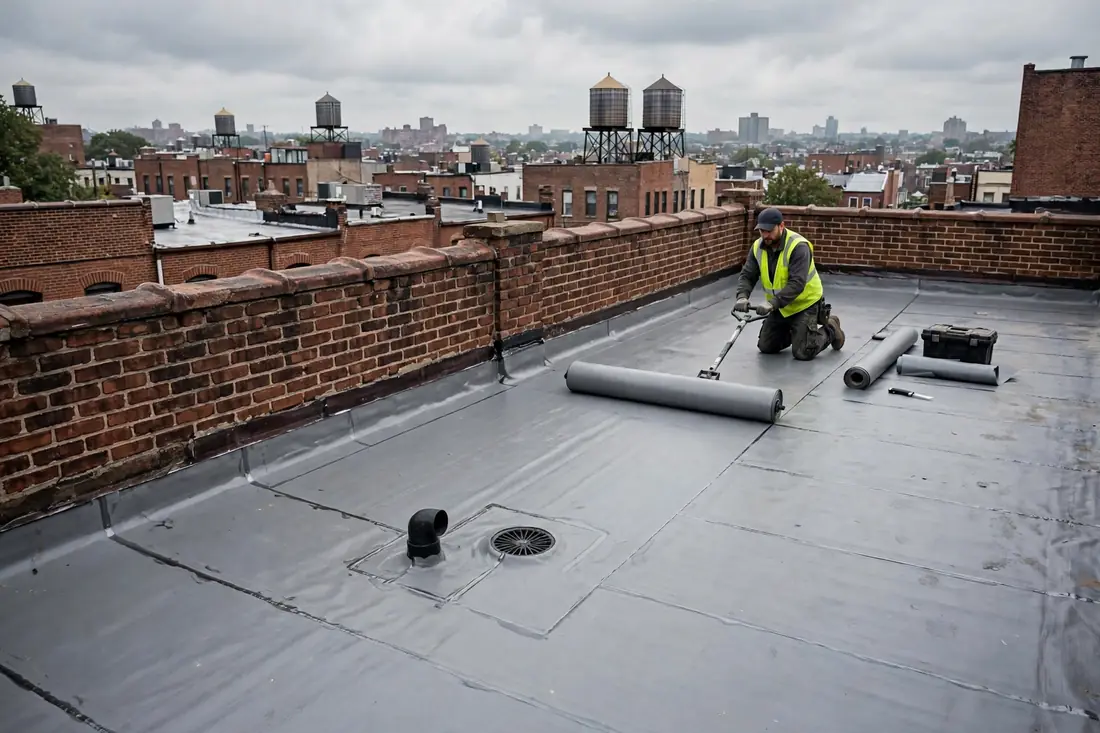
Membrane flat roofing for New Jersey's rowhouses, additions, porches, and low-slope sections — seams, drains, and ponding handled the way flat roofs actually demand.
Explore Flat Roofing →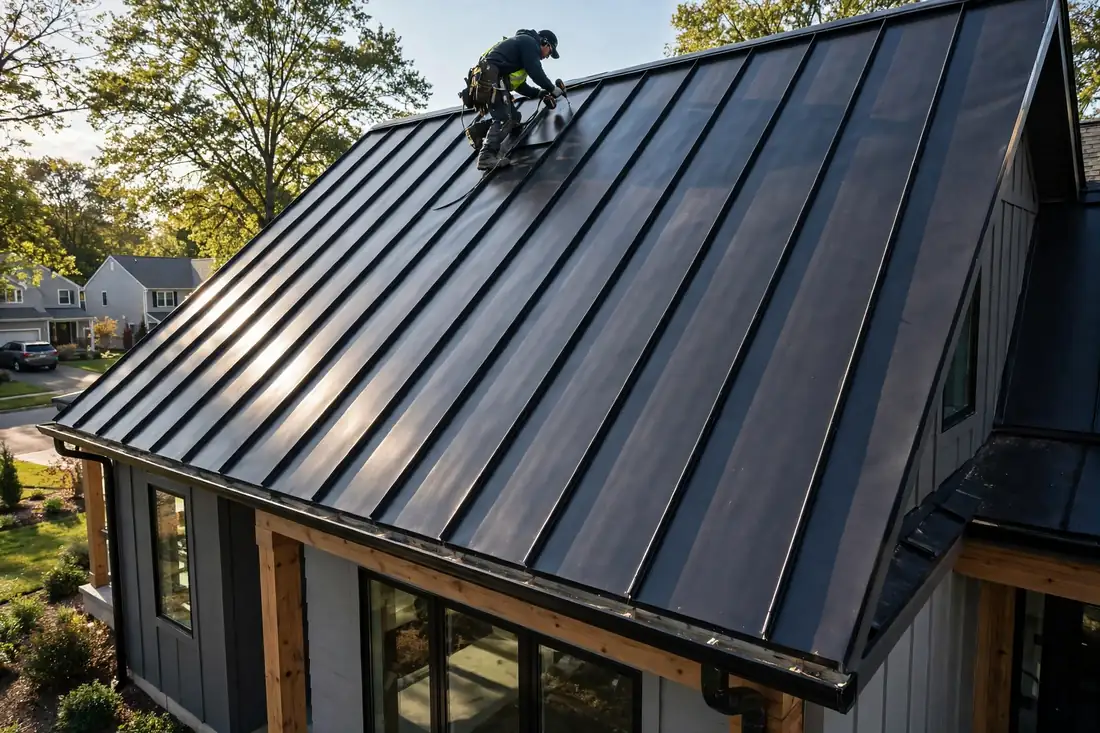
Standing seam and metal shingle roofing for New Jersey homes that want a decades-long roof — snow-shedding, wind-tough, and detailed around chimneys and valleys by craftsmen.
Explore Metal Roofing →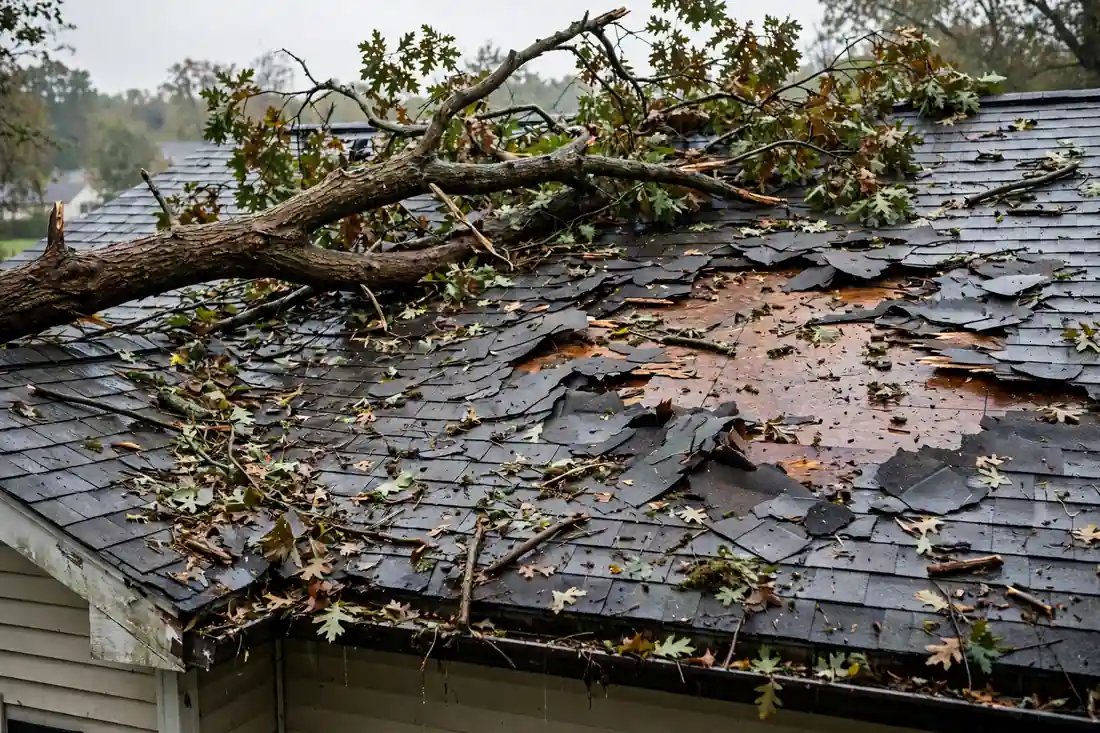
Post-storm roof repair for New Jersey homes — wind-torn shingles, fallen limbs, hail bruising, and water entry, documented properly and repaired permanently after the emergency pass.
Explore Storm Damage Roof Repair →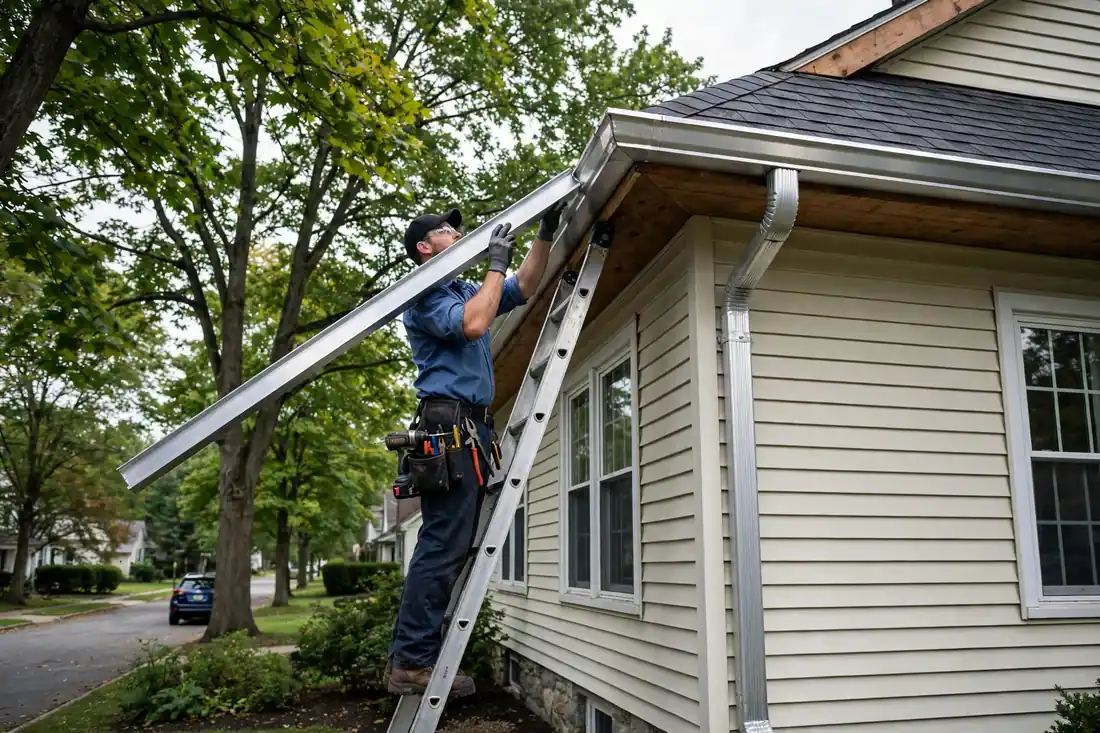
Seamless gutter installation and replacement sized to New Jersey roof lines — moving storm water off the roof and away from the foundation, with downspouts that actually keep up.
Explore Gutter Installation →One call connects you with a local New Jersey roofing professional — describe the roof, hear the plan, decide with evidence in hand.