Failed pipe boots
The rubber collar around each vent pipe cracks with age and sun, opening a direct channel down the pipe and into the attic. The most common single leak source on suburban roofs.
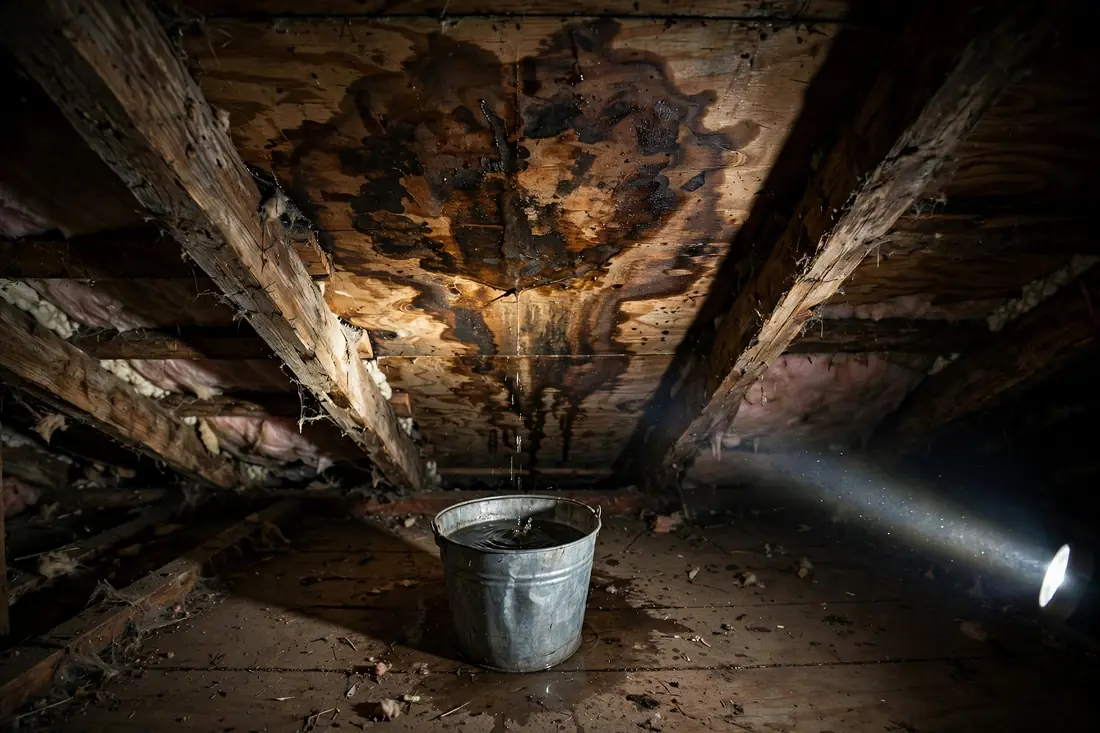
Leak detection and repair that starts where the water starts — tracing stains back through the attic to the failed flashing, boot, or seam that let the water in.
Active leak, storm damage, or a section open to the weather — call now and describe what you are seeing. You will be connected with a local roofing professional.
A roof leak is a mystery with a wet ending. The stain on your ceiling is where the water finished its journey, not where it started — the entry point may be a cracked pipe boot ten feet uphill, a flashing joint along a dormer, or a nail that backed out years ago. Roof leak repair is the craft of solving that mystery first and fixing second, because a patch placed over the wrong spot is just decoration on a leak that keeps traveling.
The local roofing professionals in this network approach leaks like inspectors before they work like roofers: into the attic with a flashlight, up the slope following the water's logic, testing the suspects in order of how New Jersey roofs actually fail. Most leaks come from a short list of details — flashing, boots, valleys, and seams — and an experienced leak hunter checks them in that order before concluding anything exotic.
Yellow-brown rings, bubbling paint, or a soft spot in the drywall — the classic calling card. The stain's edge marks where water pools, usually feet from its entry point.
Damp insulation, darkened decking, or mold on the underside of the roof means water has been visiting for a while, even if no ceiling stain has shown yet.
A leak that appears only in hard rain, wind-driven rain, or spring thaw is still a leak — it just needs specific weather to open its path. Intermittent leaks are traced by their weather pattern.
In the attic, staining that halos a vent pipe, chimney chase, or exhaust fan marks a leak at that penetration's flashing or boot.
Water obeys gravity, but roofs give it highways. A drop entering at a ridge-side flashing can run along a rafter or the underside of the deck for many feet before it finds a seam in the ceiling. That is why leak repair begins with mapping: the stain's position, the roof's layout above it, and the attic evidence between the two. Stains on the decking, rust trails on nails, and damp insulation form a trail that leads uphill to the entry point.
On the roof, the suspects are examined in the order they usually fail. Pipe boots crack as their rubber ages. Step flashing along walls works loose as sealant dies. Valleys wear where two slopes pour their water into one channel. Nail heads that were covered for a decade work up through shingles as the roof breathes through seasons. A methodical roofer finds the open door before reaching for any sealant — and fixes the door, not the puddle.
New Jersey's climate writes the leak patterns. Freeze-thaw cycles pry at every flashing joint all winter, and ice dams on the state's older, under-insulated homes back meltwater up under the shingles at the eaves — a leak that appears in February with no hole in the roof at all. Summer storms drive rain uphill under lifted edges. The shore's salt air corrodes flashing metal faster than inland, while the dense tree canopy of the suburbs keeps north slopes damp and mossy.
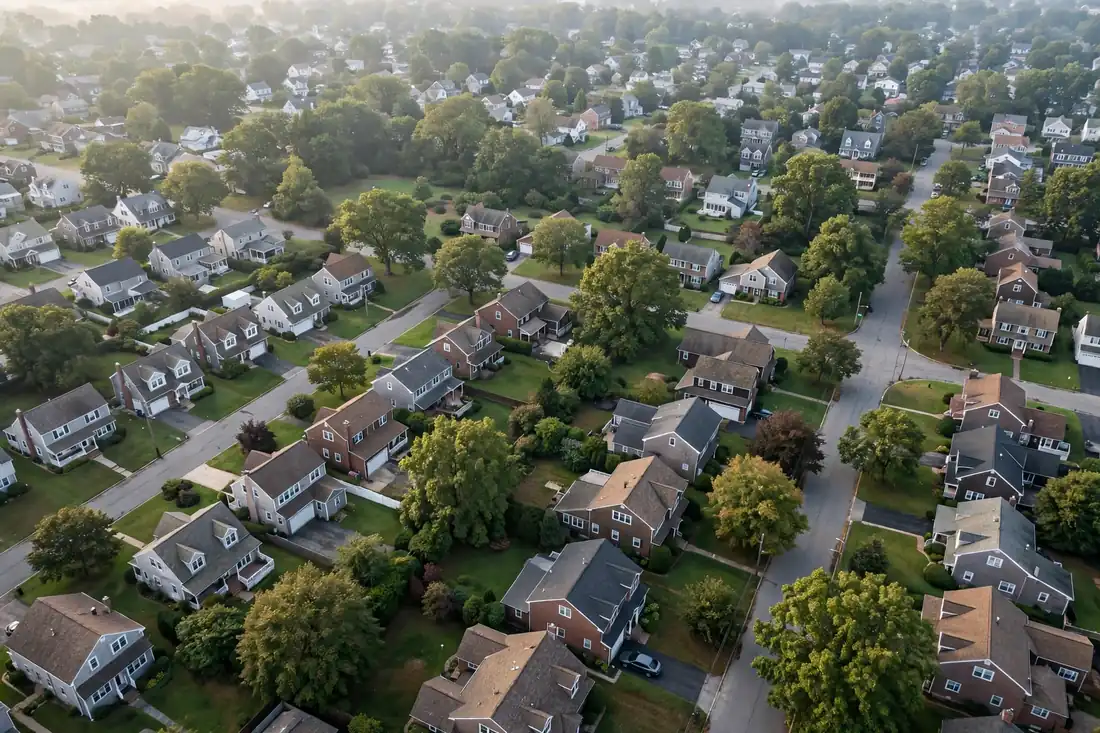
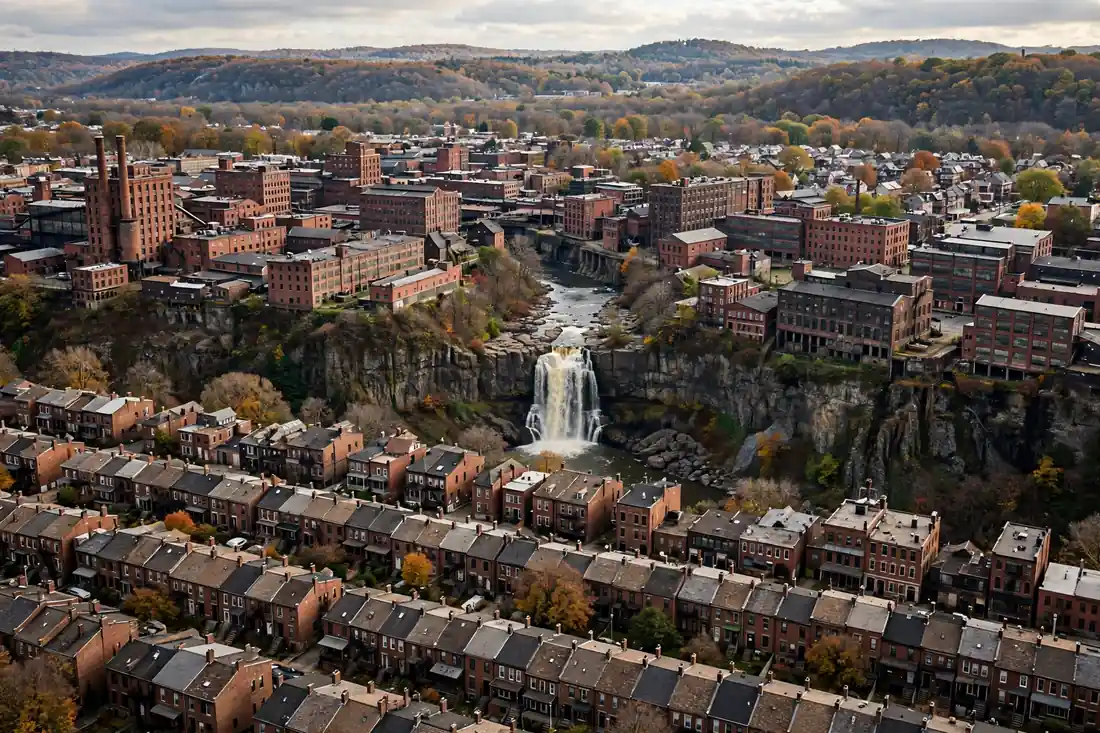
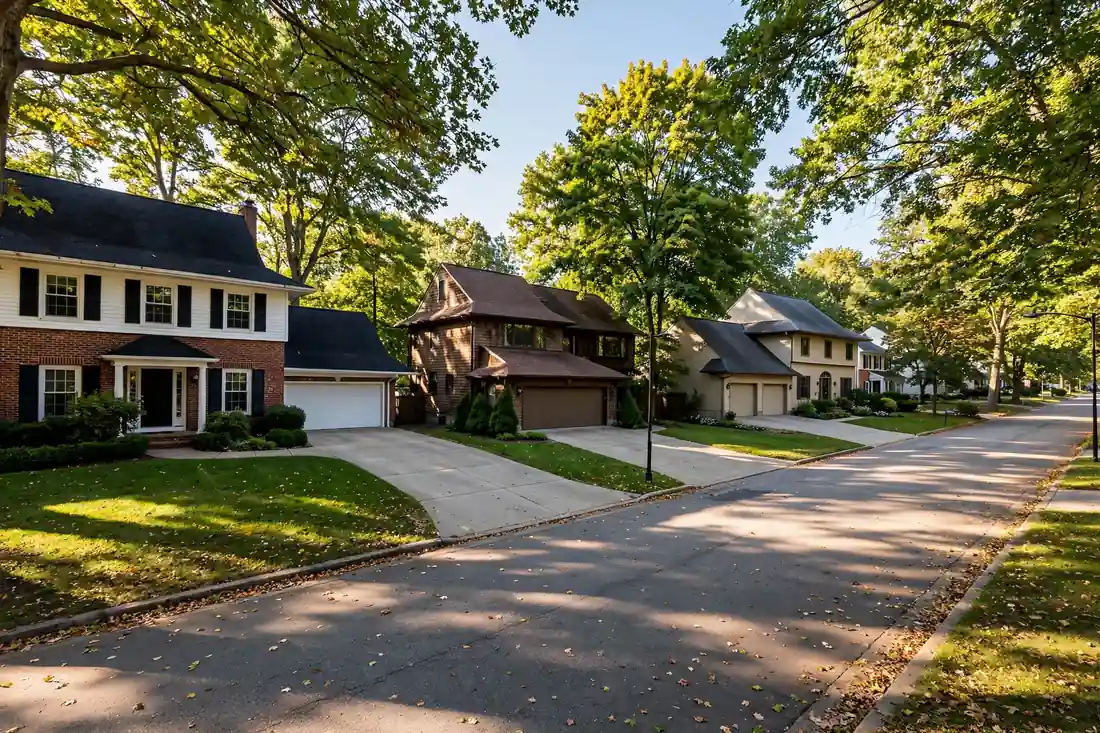
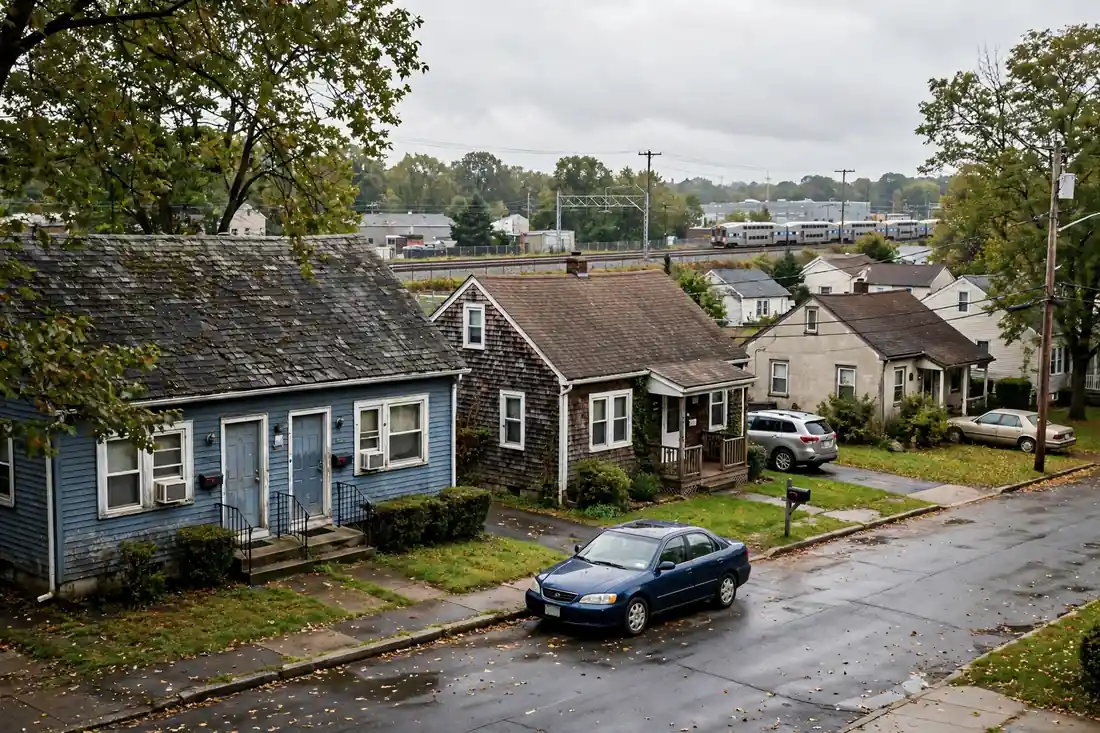
Housing stock adds its layer. The region's capes and dormered colonials leak at dormer cheeks and valleys; its flat-roofed rowhouses leak at seams and drains; its postwar ranches leak at the boots and vents that all aged out together. A leak hunter who knows your town's housing recognizes the shortlist for your roof before the ladder is up — and knows which stains mean flashing and which mean ice.
The rubber collar around each vent pipe cracks with age and sun, opening a direct channel down the pipe and into the attic. The most common single leak source on suburban roofs.
At chimneys, walls, skylights, and valleys, flashing is the waterproofing. Sealant fatigue, lifted edges, and rust turn those joints into funnels.
Meltwater ponded behind an ice dam at the eave flows backward under shingles that shed rain perfectly. The leak is real; the hole does not exist.
Backed-out nails, tired sealant at seams, and worn valley linings each open small, weather-dependent paths that grow a little every season.
Each source gets the fix that closes it at the layer where it failed:
The water trail is read from below — stains, moisture, and daylight points — before the roof surface is judged.
The suspected entry points above the attic evidence are examined in person, not assumed from the stain's position.
The failed boot, flashing, or seam is replaced or rebuilt at its own layer, with surrounding materials made sound.
You learn where the water was entering, what was done, and what else the roofer saw that deserves watching — in plain language.
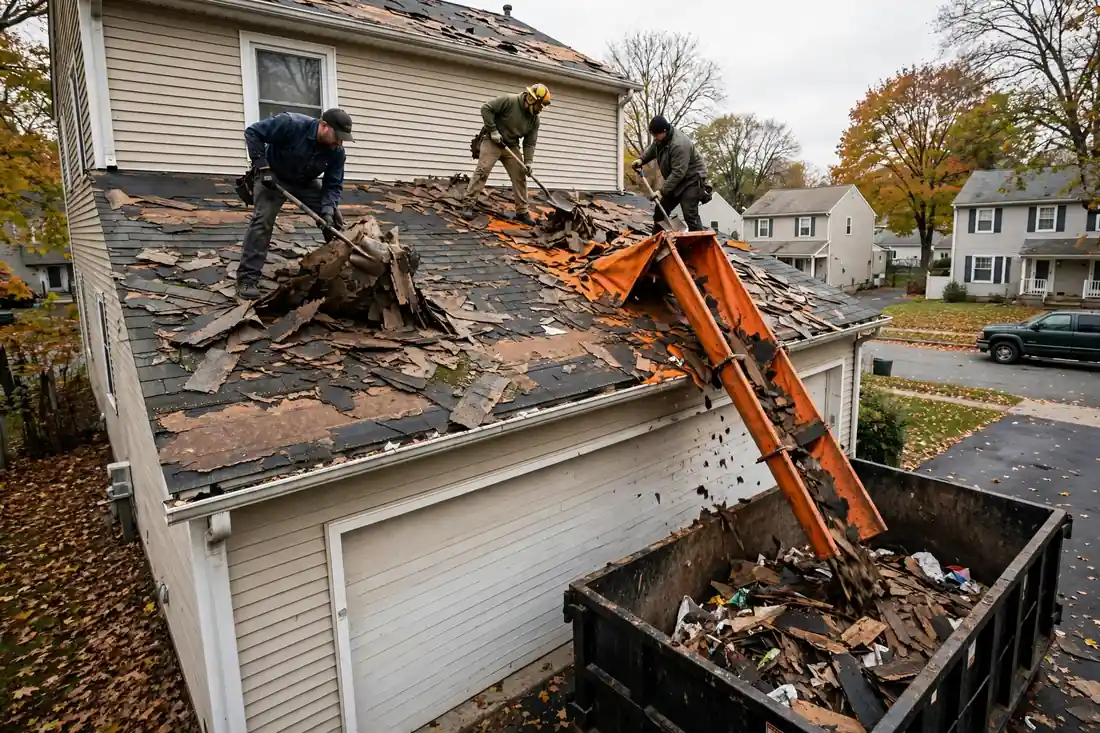
The honest test of a leak repair is the next hard rain from the same direction. Watch the old stain through the next two storms; it should stay exactly as it is — dry, unchanged. Your roofer will want to know if it so much as darkens. Meanwhile, let the attic dry: wet insulation and decking recover if the moisture source is truly closed, and a follow-up attic check a few weeks later confirms it.
Use the repair visit as intelligence. A roof that leaked at one boot will leak at the others on roughly the same schedule, because they were installed the same day and aged in the same sun. Replacing the set while the crew is present is routine, sensible sequencing — ask what else is at the same stage of life.
The most common failed leak repair in the business: materials replaced over the ceiling stain while the entry point, feet away, keeps drinking. Diagnosis first, always.
Surface sealant over a flashing joint fails within a season or two and hides the joint's real condition. Boots and flashing are replaced or rebuilt, not smeared.
A leak that only appears in wind-driven rain or thaw has a specific cause. Treating it like a generic hole misses the mechanism — and the fix misses with it.
Roofs often leak at two points at once, especially where details age together. A thorough hunt checks the full suspect list above the stain, not just the first flaw found.
Painting over a stain seals moisture into insulation and framing. The structure dries first; the cosmetic work comes last.
Rubber vent boots live ten to fifteen years. When one cracks, its same-age neighbors are next — swapping the set is simple, planned work.
A quick professional check of chimneys, walls, and valleys each year catches sealant fatigue while it is still a tube-of-sealant problem, not a bucket problem.
Attic insulation and ventilation decide whether your eaves dam in January. Addressing them protects against the one leak that has no hole.
When does it drip — every rain, hard rain only, thaw only? Where is the stain, and when did it start? That pattern is the first diagnostic evidence.
The roofer reads the water trail in the attic, then examines the suspect details on the roof above it, confirming the entry point before any repair.
The failed component is replaced or rebuilt at its layer — boot, flashing, valley, or seam — and the surrounding courses are made sound.
You get the source, the fix, and the other details to watch — plus what to check after the next storm to confirm the leak is closed.
Local roofing professionals for roof leak repair serve Newark and fifteen more New Jersey cities. Choose your city for local detail:
Most intermittent leaks are weather-dependent: wind-driven rain reaches openings that vertical rain cannot, heavy rain overwhelms a worn valley that light rain cannot, and ice dams create leaks with no hole at all. The pattern of when it leaks is the strongest clue to where — tell your roofer exactly when it happens.
Almost always. Attic evidence, moisture patterns, and methodical inspection of the usual suspects locate the entry point in the great majority of cases. Controlled water testing — wetting one suspect area at a time — settles stubborn cases without opening anything.
If the roof's surface is otherwise sound, yes — a flashing or boot leak on a fifteen-year-old roof is a detail failure, not a death sentence. If the inspection finds the surface itself spent, your roofer should say so plainly and show you why, so the replacement decision is evidence-based.
Diagnosis is usually the longer half of the visit. Once the source is confirmed, most boot, flashing, and seam repairs are completed the same day. Valley rebuilds and multi-point leaks can take longer — you will know the scope before work begins.
A repair made at the true source, at the right layer, stays fixed — that joint is new again. Leaks 'come back' when the original patch treated the stain instead of the source, or when a second entry point nearby was never checked. That is what the full suspect-list inspection is for.
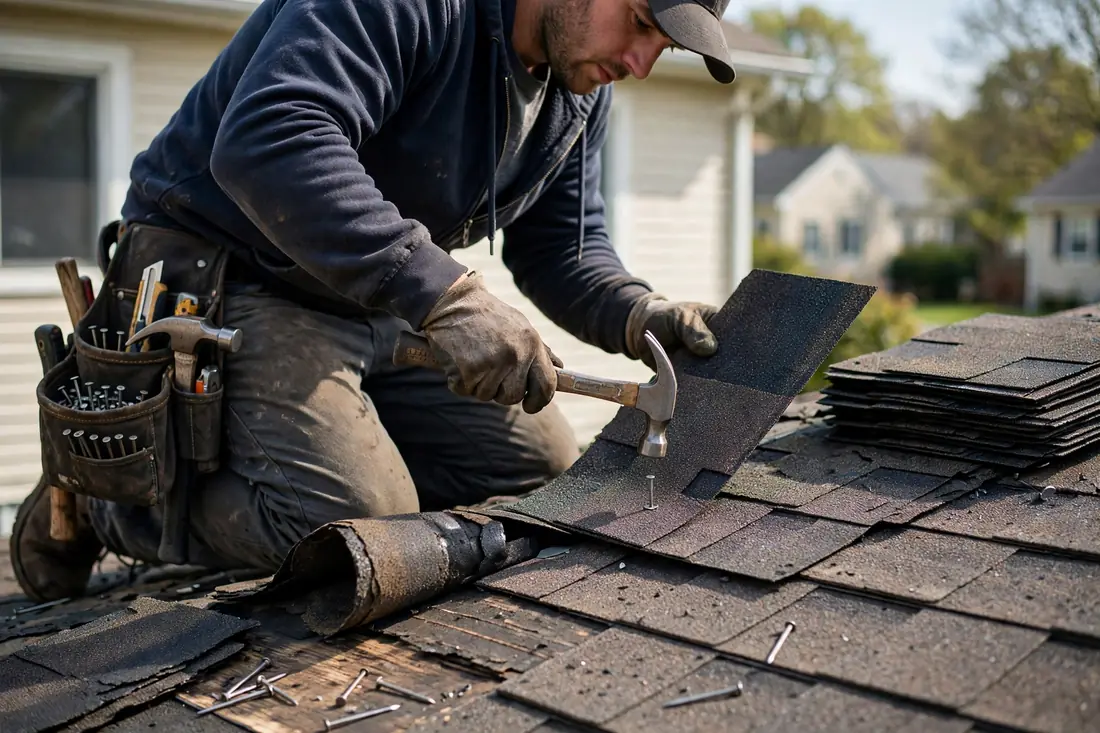
Targeted repairs for the failures New Jersey roofs actually develop — lifted shingles, tired flashing, worn pipe boots, and small leaks caught before they reach the ceiling.
Explore Roof Repair →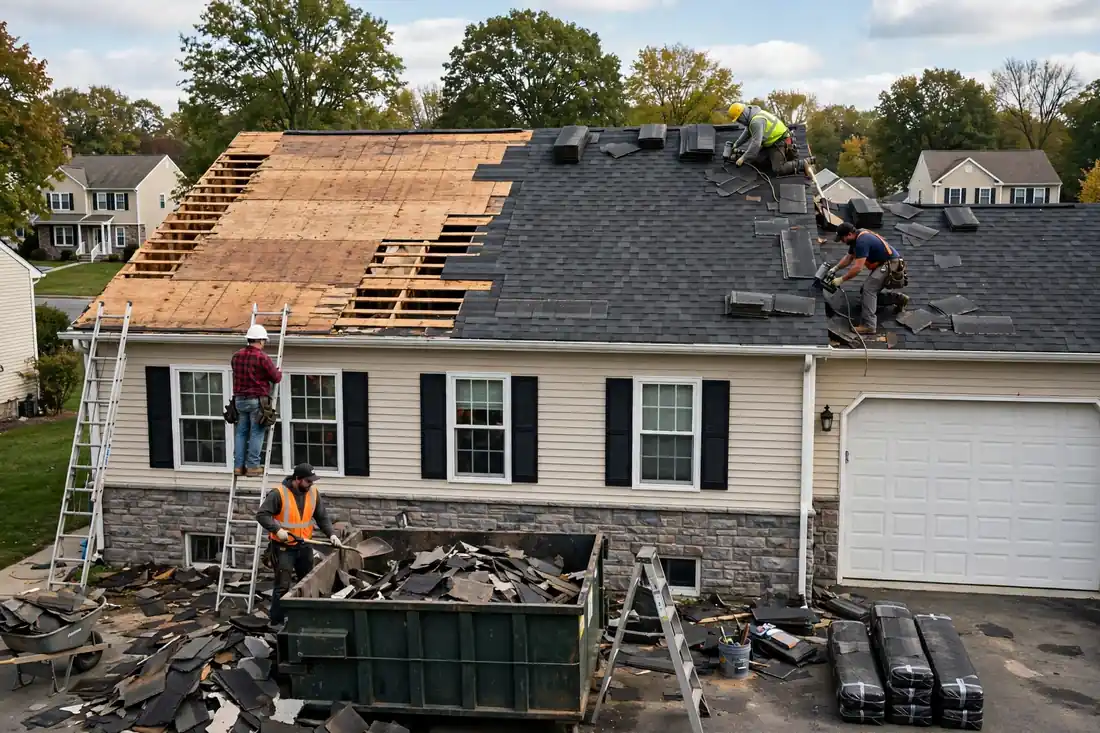
Full tear-off and re-roofing for New Jersey homes whose shingles have reached the end of their service life — deck inspection, modern underlayment, and a roof built for nor'easters and freeze-thaw.
Explore Roof Replacement →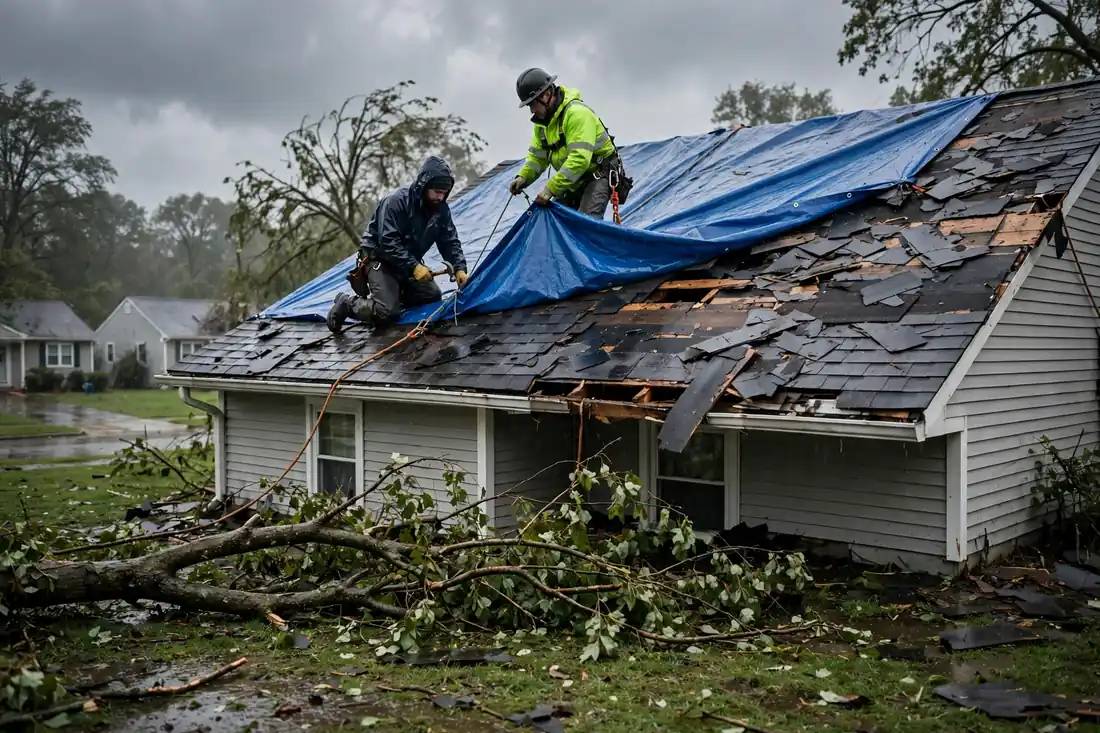
When a storm opens your roof — fallen limbs, torn-off shingles, active leaks — the first job is stopping the water. Emergency tarping, temporary sealing, and the permanent repair that follows.
Explore Emergency Roof Repair →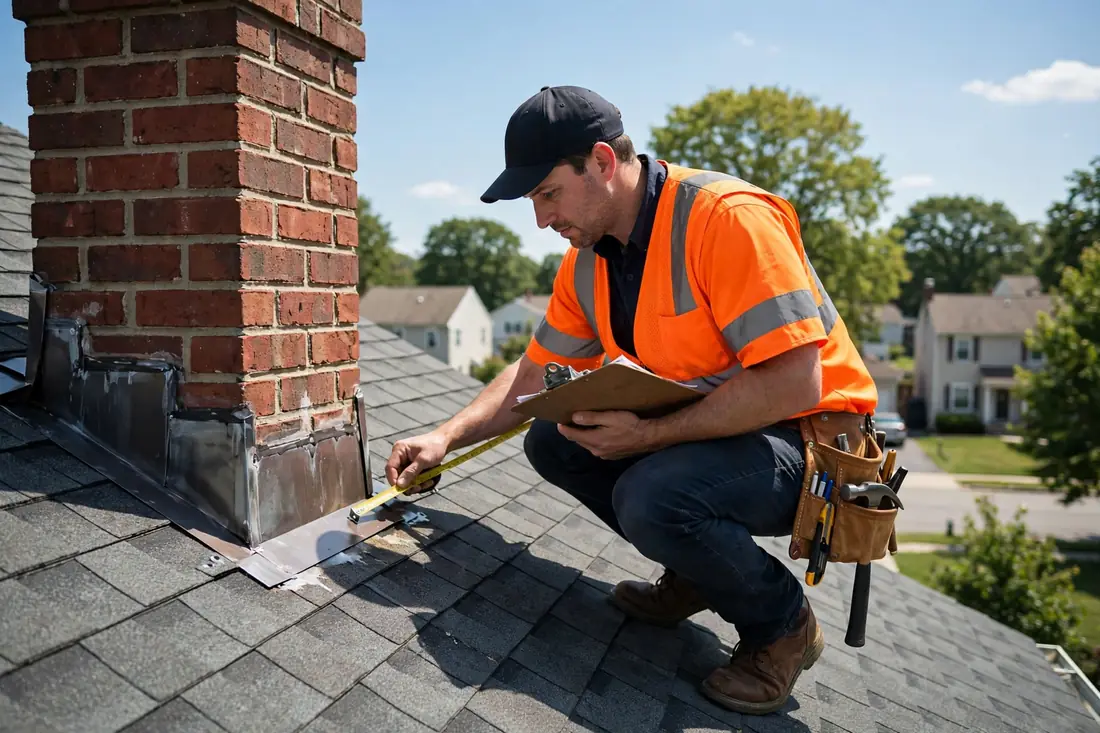
A full condition report for your roof — surface, flashing, deck indicators, attic, and ventilation — so repair, replacement, and storm decisions rest on evidence instead of guesses.
Explore Roof Inspection →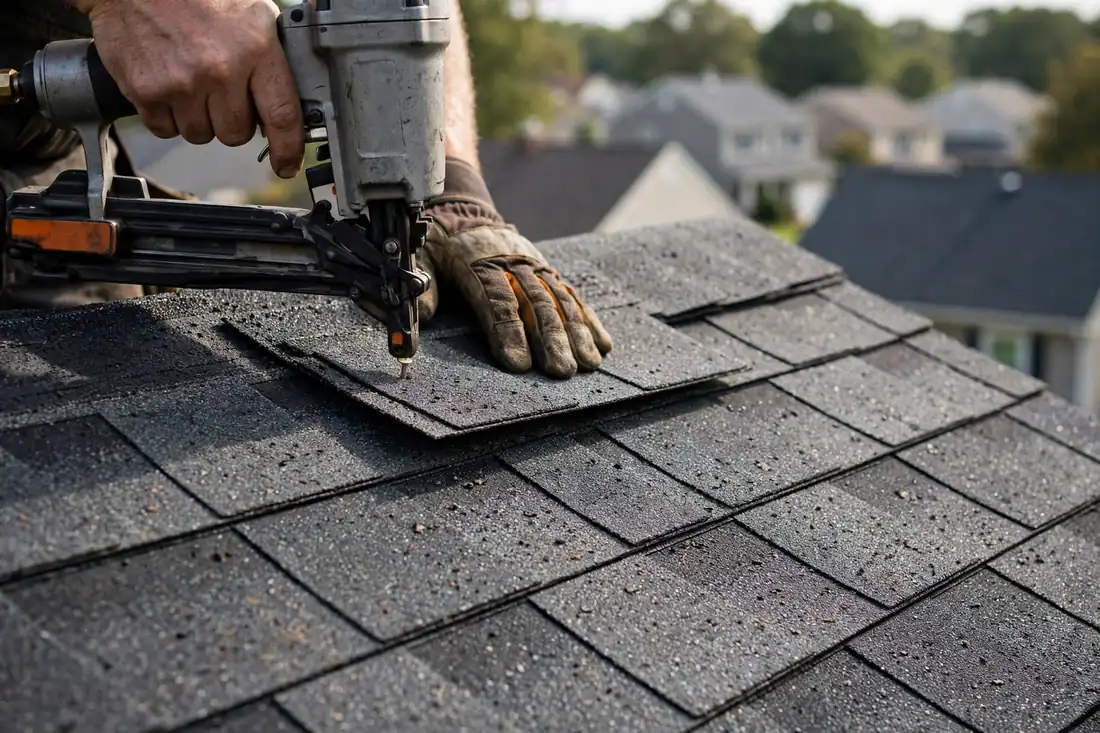
Architectural asphalt shingle installation and replacement — the workhorse roof for New Jersey homes, detailed for wind, ice, and summer heat, in the profiles and colors that suit each neighborhood.
Explore Shingle Roofing →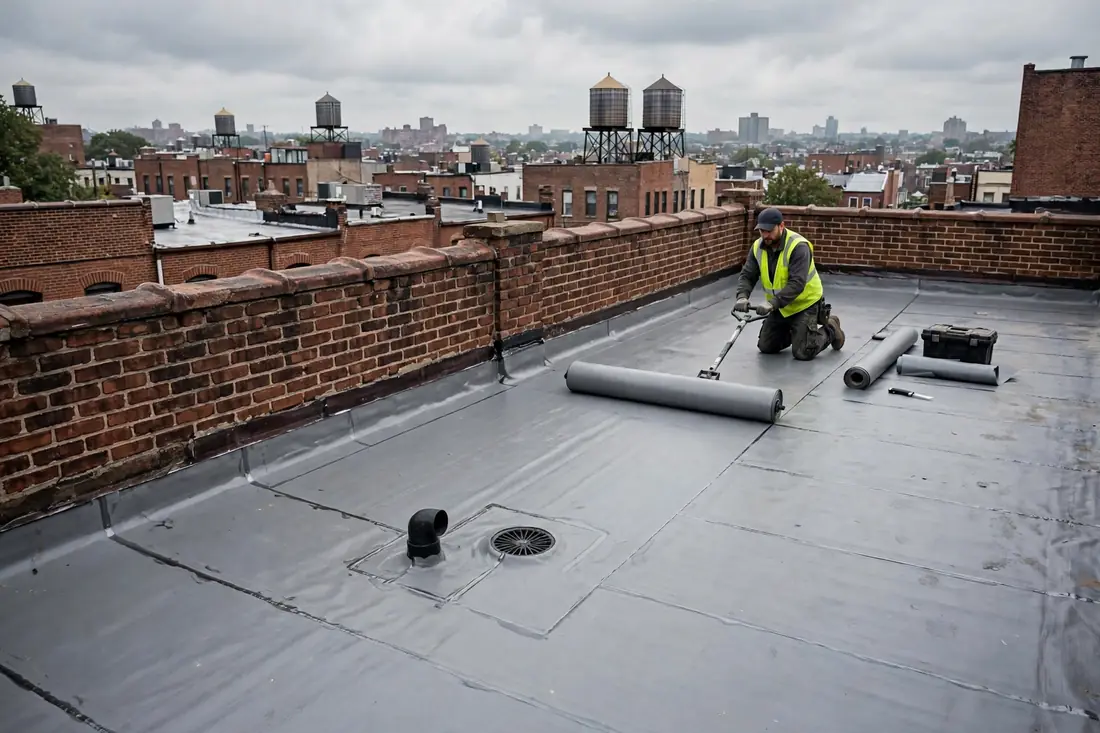
Membrane flat roofing for New Jersey's rowhouses, additions, porches, and low-slope sections — seams, drains, and ponding handled the way flat roofs actually demand.
Explore Flat Roofing →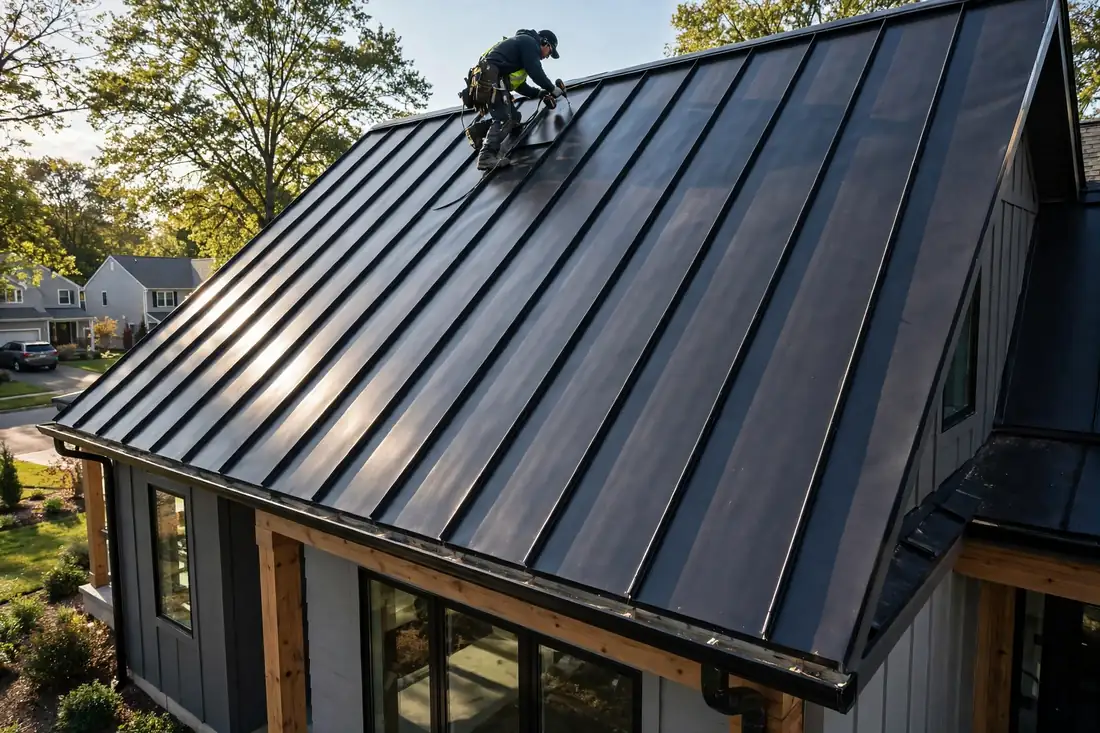
Standing seam and metal shingle roofing for New Jersey homes that want a decades-long roof — snow-shedding, wind-tough, and detailed around chimneys and valleys by craftsmen.
Explore Metal Roofing →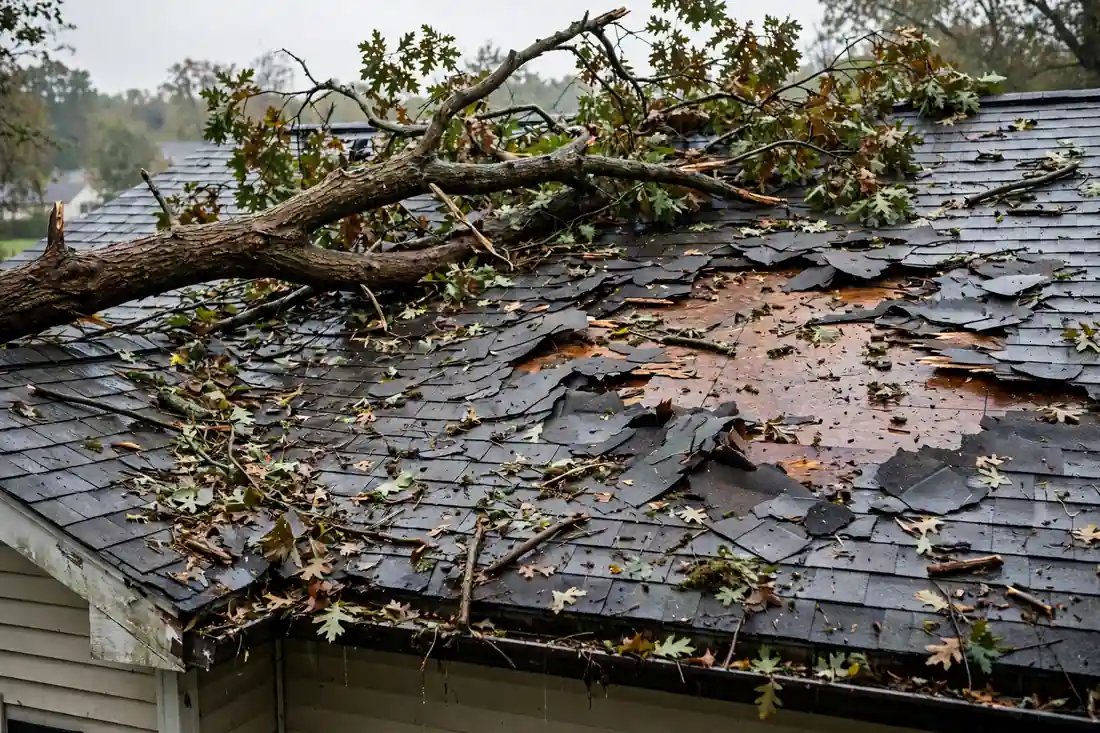
Post-storm roof repair for New Jersey homes — wind-torn shingles, fallen limbs, hail bruising, and water entry, documented properly and repaired permanently after the emergency pass.
Explore Storm Damage Roof Repair →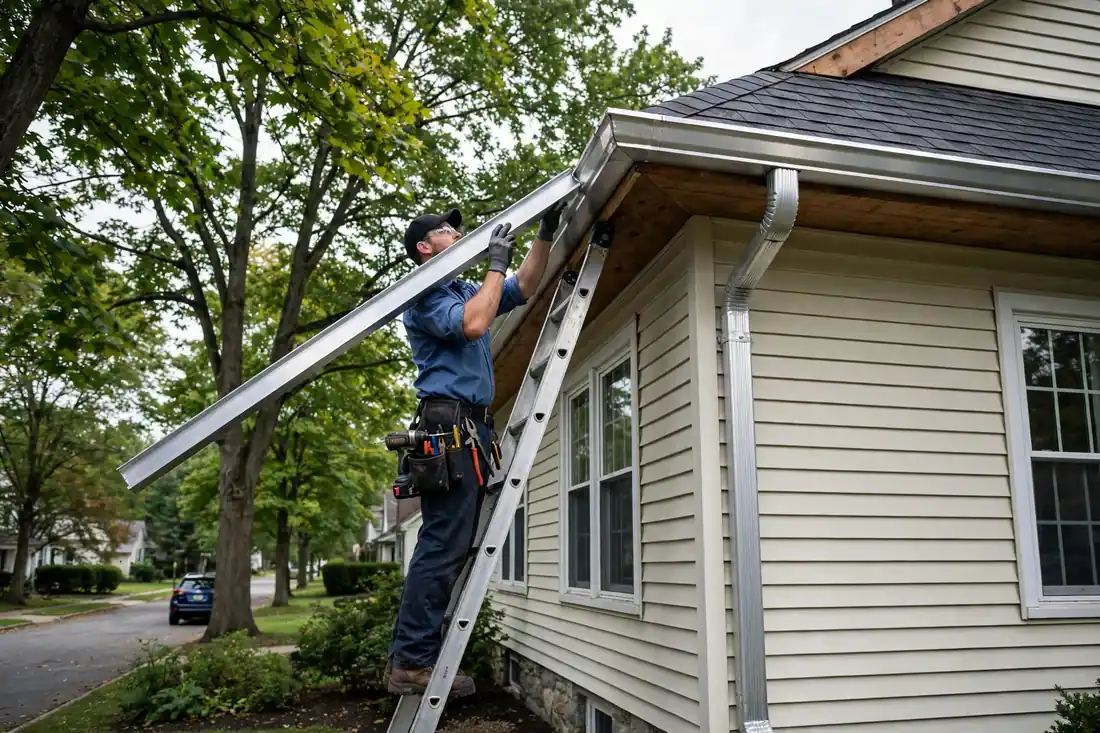
Seamless gutter installation and replacement sized to New Jersey roof lines — moving storm water off the roof and away from the foundation, with downspouts that actually keep up.
Explore Gutter Installation →One call connects you with a local New Jersey roofing professional — describe the roof, hear the plan, decide with evidence in hand.