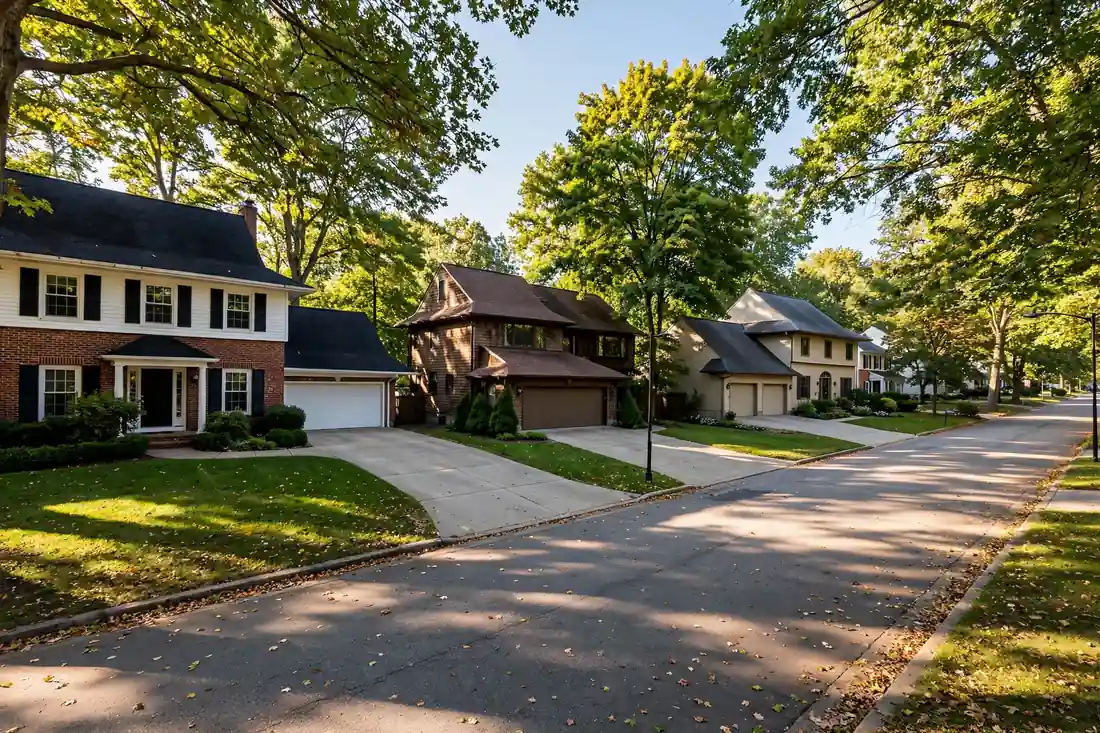
Foundation water
Every overflowing or leaking gutter concentrates roof water at the house's base — the leading preventable cause of wet basements and foundation staining.
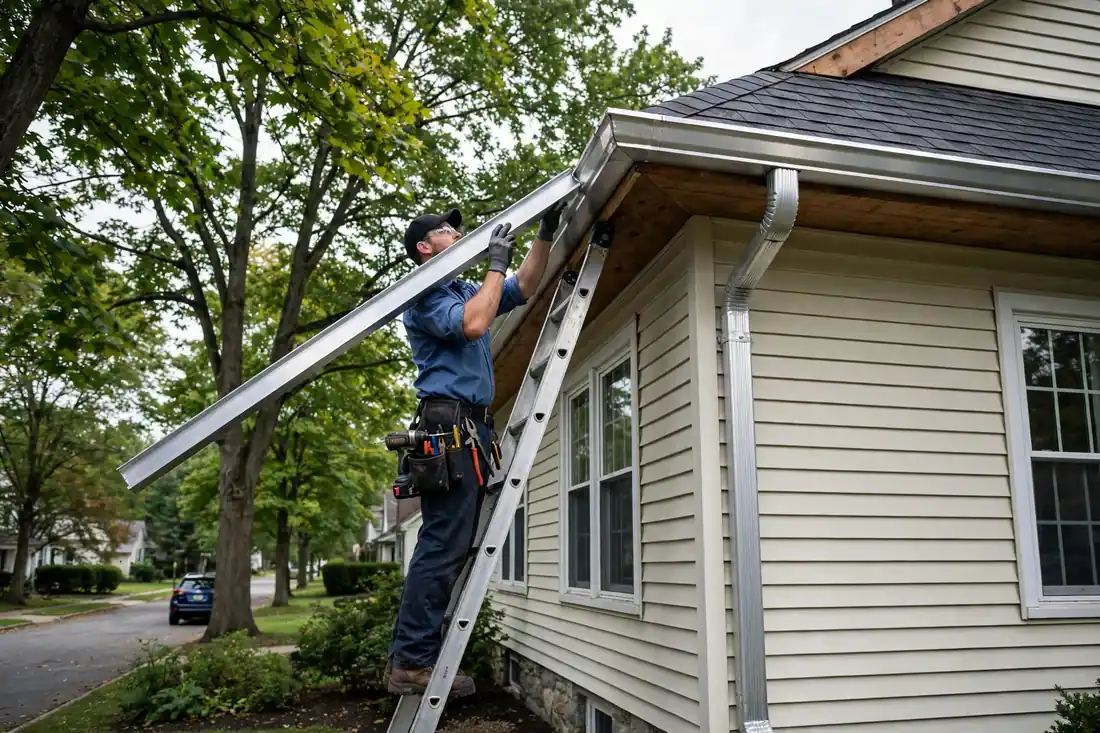
Seamless gutter installation and replacement sized to New Jersey roof lines — moving storm water off the roof and away from the foundation, with downspouts that actually keep up.
Active leak, storm damage, or a section open to the weather — call now and describe what you are seeing. You will be connected with a local roofing professional.
Gutters are the roof's drainage department, and their failure is quiet and expensive: water that pours over the edge rots fascia, stains siding, floods beds, and — worst of all — pools against the foundation, where it finds basement walls and footings. Gutter installation and replacement is the work of sizing, pitching, and hanging a system that moves a New Jersey downpour from the roof's edge to a safe discharge point without drama.
The local roofing professionals in this network install seamless aluminum gutters formed on site to each run's exact length — no seams mid-run to leak — with downspouts sized and placed for the roof area they serve. Because gutter work meets the roof at its most vulnerable edge, it is done with the roofer's eye: the drip edge, fascia condition, and eave protection are all part of the same conversation.
Overflow in ordinary rain means capacity, pitch, or blockage has failed the run. In a real downpour, an overflowing gutter is a waterfall aimed at your foundation.
Gutters that hang from failing fasteners lose their pitch, hold water, and grow heavier with every rain until a section comes down in a storm.
Sectional gutters leak at their joints as sealant ages. One drip is a repair; a joint that drips along the whole house is a system at its end.
The board behind the gutter tells the truth: soft, peeling, or stained fascia means water has been going behind the gutter — where the roof edge and wall take the damage.
A gutter system is hydraulics, not decoration. Each run must hold a slight, continuous pitch toward its downspout — too flat and it ponds and breeds mosquitoes; too steep and it looks drunk and overshoots in heavy flow. Capacity follows the roof: the square footage draining to each run, and the pitch of that roof, decide whether a standard profile suffices or a larger one is needed, and how many downspouts the run requires.
Seamless installation forms each run from a continuous coil at the house, so the only joints are at corners and outlets — the points that can be sealed and supported properly. Hidden hangers spaced into sound fascia replace the old spike-and-ferrule system that works loose over winters. Where the water lands matters as much as how it travels: downspouts discharge onto extensions or underground lines that carry it well away from the foundation.
New Jersey loads gutters from above and below. From above: nor'easter and thunderstorm downpours that test capacity in minutes, and the state's magnificent tree canopy — oak, maple, and pine overhanging half the roofs in the suburbs — delivering leaves, helicopters, needles, and catkins in seasonal waves that turn an open gutter into a compost trench by November.
From below: winter. Water standing in a poorly pitched gutter freezes into an ice ribbon that adds weight, splits seams, and feeds the ice dams at the eave above it. Local installation practice answers both directions: generous downspout sizing for cloudbursts, pitch set to truly drain, hangers spaced for ice weight, and honest conversations about guards — which help under some trees and disappoint under others (pine needles defeat most designs), a judgment a local installer makes from your actual canopy, not a brochure.
Every overflowing or leaking gutter concentrates roof water at the house's base — the leading preventable cause of wet basements and foundation staining.
Water behind the gutter rots the very board the system hangs from, and the damage hides behind the gutter itself until the section sags.
Standing water in gutters feeds winter ice at the roof edge, backing meltwater under the first shingle courses of older homes.
Waterfalls off the edge carve beds, splash soil onto siding, and stain walkways — the visible signature of a system moving water to all the wrong places.
A correctly designed installation answers each failure mode directly:
Each run's roof area, pitch, and discharge options measured before any profile or count is proposed.
The mounting surface checked along every run; soft sections replaced so the new system hangs on sound wood for its full life.
Runs formed to exact length at your home, corners and outlets sealed, hangers set to pitch by line.
The finished system is run with water to prove pitch, flow, and discharge — gutters should be verified wet, not admired dry.
Watch the first heavy rain the way the installer hopes you will: no overflow at the runs, no drip at the corners, downspouts discharging clear and away from the house. New gutters also reveal old truths — a stain that continues was never the gutter's fault, and your installer will say which stains those are.
Maintenance is a rhythm, not a project: clean the runs in late spring and after leaf fall, confirm downspout extensions stay connected, and glance at the lines after winter ice. A gutter system's enemies are neglect and ladders rested against it — the first is schedulable, the second avoidable with a standoff.
The system is only as sound as its mounting. Rot left behind a new gutter makes the sag, the pond, and the repeat visit a matter of time.
A standard profile on a large, steep roof plane overshoots in every real storm. Capacity is arithmetic, not aesthetics.
A quarter-inch of fall across a long run is the difference between drainage and a mosquito farm. Lines and levels exist for this.
A perfect gutter that dumps its water at the foundation corner has moved the problem six feet, not solved it. The last ten feet matter as much as the run.
Guards reduce cleaning under broadleaf trees and struggle under pine. The honest guard conversation starts with your canopy, not a sales sheet.
After the spring seed drop and after autumn leaf fall — the two moments your specific canopy delivers its load.
Extensions get kicked, buried, and mowed over. A ten-second check after storms keeps foundation water where it belongs: away.
Ice ribbons that persist in the gutter mean standing water and lost pitch. Report it in spring rather than discovering it at the next eave leak.
Runs measured, roof areas calculated, fascia probed, discharge routes walked — the design is built from your house, not a catalog page.
Profile size, downspout count and placement, fascia repairs, and guard options where they genuinely fit — all in writing.
Old system down, fascia made sound, seamless runs formed and hung to pitch, usually completed within the day for typical homes.
The system is flow-tested, discharge verified, and the maintenance rhythm for your trees explained before the crew leaves.
Local roofing professionals for gutter installation serve Newark and fifteen more New Jersey cities. Choose your city for local detail:
Sectional gutters join pre-cut lengths at seams every ten feet or so; each seam is a future leak as sealant ages. Seamless gutters are formed on site to each run's full length, leaving joints only at corners and outlets — fewer, stronger, and properly supported. It is why seamless is the standard for replacement.
It follows arithmetic: the roof area draining to each run and the roof's steepness decide the flow the run must carry. Many New Jersey homes do well with the standard five-inch profile; large or steep planes often need six-inch runs and extra downspouts. The assessment calculates it rather than guessing.
Under broadleaf trees, quality guards genuinely reduce cleaning. Under pine, needles defeat most guard designs, and no guard eliminates maintenance entirely. The right answer starts with your trees — a local installer who has cleaned gutters under your canopy will tell you plainly.
Yes, on workable days — with the caveat that frozen ground and ice complicate ladders and discharge work. Many installations are scheduled in spring and fall around the cleaning seasons, but a failing system should not wait through a winter of overflow if a fair window opens.
A properly hung aluminum system serves for decades; its enemies are standing water from lost pitch, ice weight on weak fastening, and rot in the fascia behind it. Installation quality and the cleaning rhythm decide which end of the range your system reaches.
Targeted repairs for the failures New Jersey roofs actually develop — lifted shingles, tired flashing, worn pipe boots, and small leaks caught before they reach the ceiling.
Explore Roof Repair →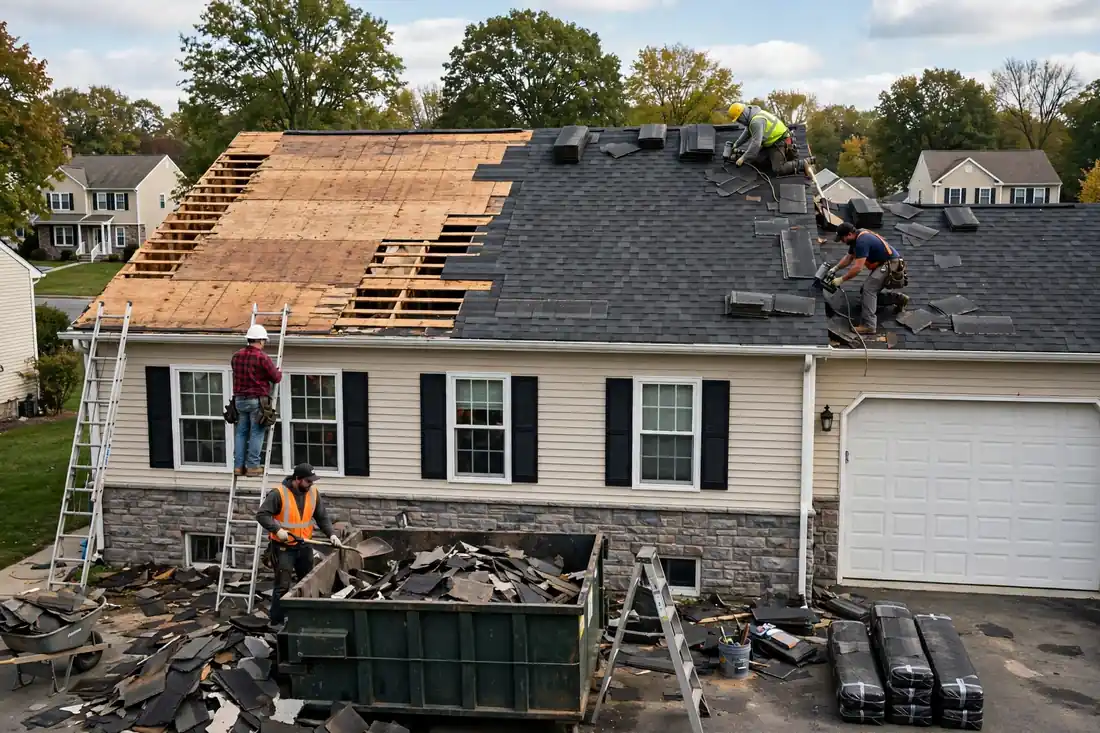
Full tear-off and re-roofing for New Jersey homes whose shingles have reached the end of their service life — deck inspection, modern underlayment, and a roof built for nor'easters and freeze-thaw.
Explore Roof Replacement →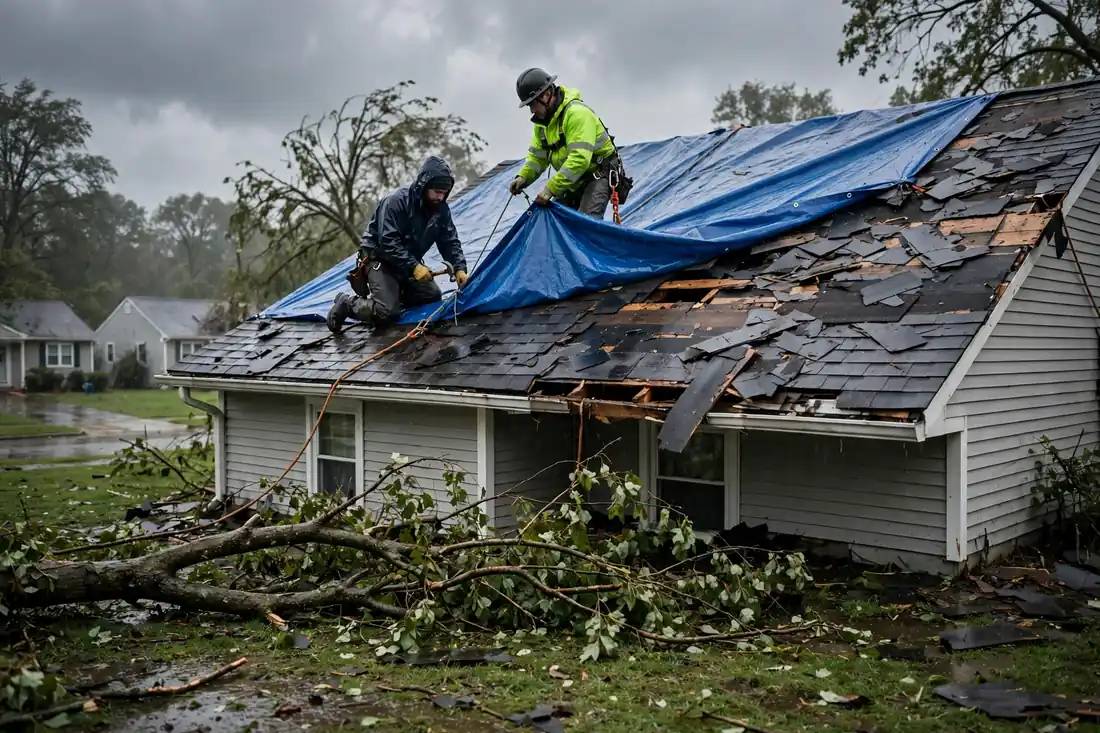
When a storm opens your roof — fallen limbs, torn-off shingles, active leaks — the first job is stopping the water. Emergency tarping, temporary sealing, and the permanent repair that follows.
Explore Emergency Roof Repair →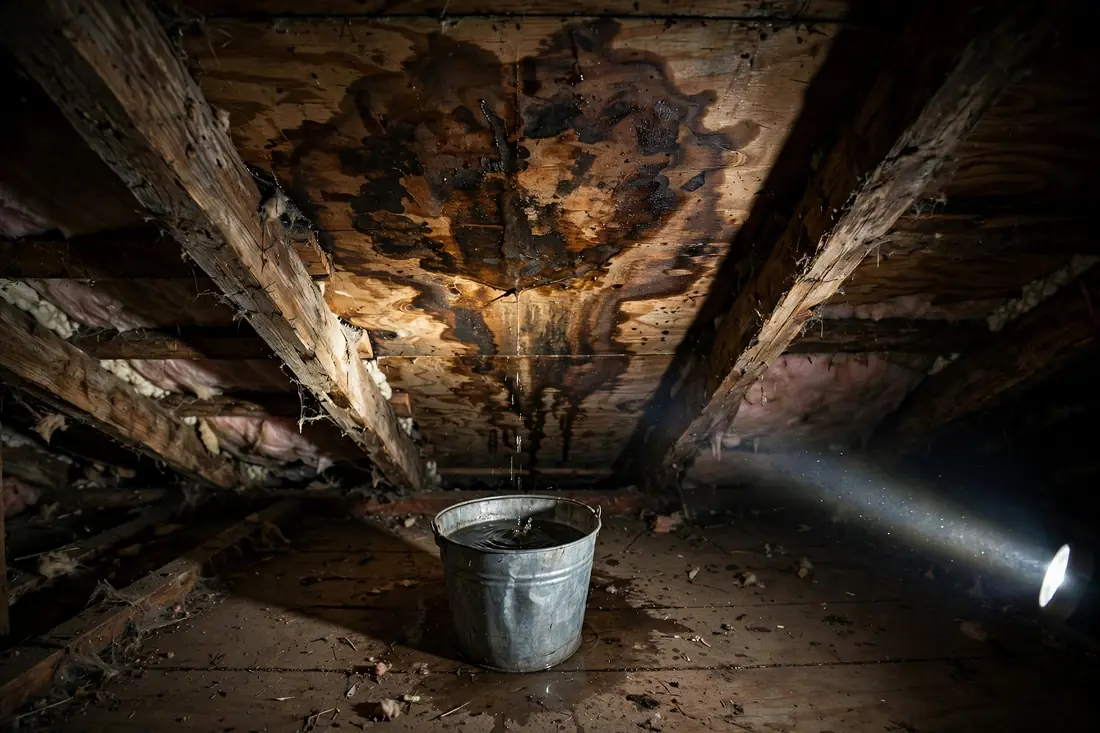
Leak detection and repair that starts where the water starts — tracing stains back through the attic to the failed flashing, boot, or seam that let the water in.
Explore Roof Leak Repair →
A full condition report for your roof — surface, flashing, deck indicators, attic, and ventilation — so repair, replacement, and storm decisions rest on evidence instead of guesses.
Explore Roof Inspection →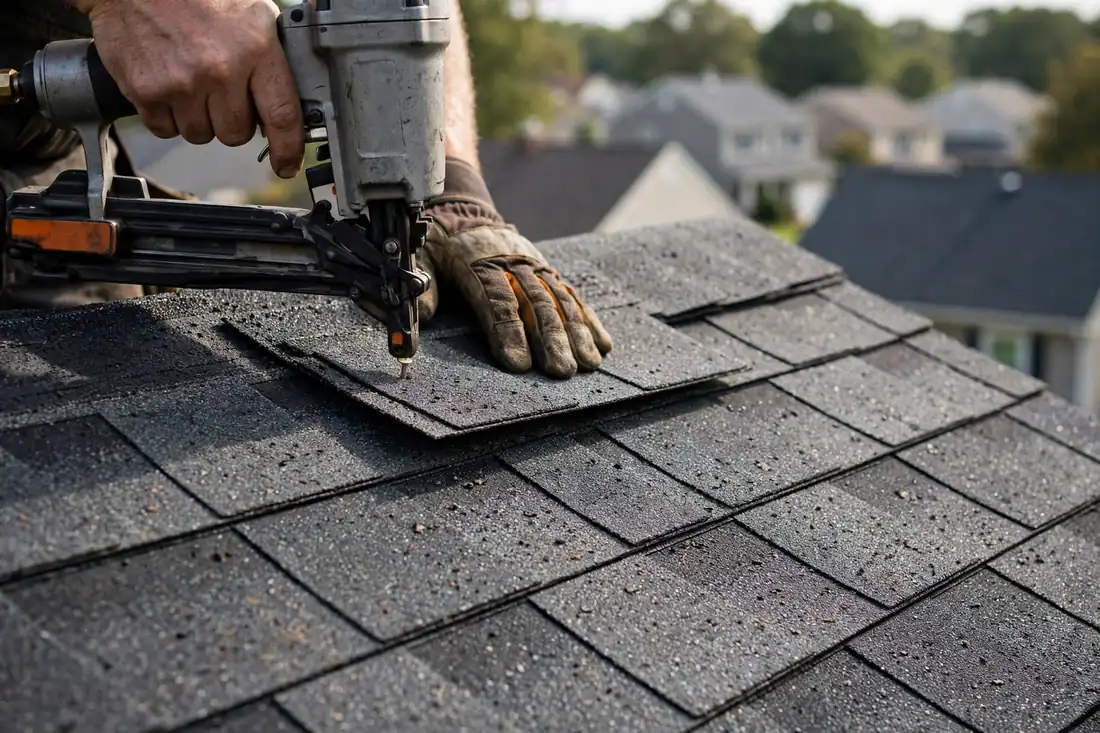
Architectural asphalt shingle installation and replacement — the workhorse roof for New Jersey homes, detailed for wind, ice, and summer heat, in the profiles and colors that suit each neighborhood.
Explore Shingle Roofing →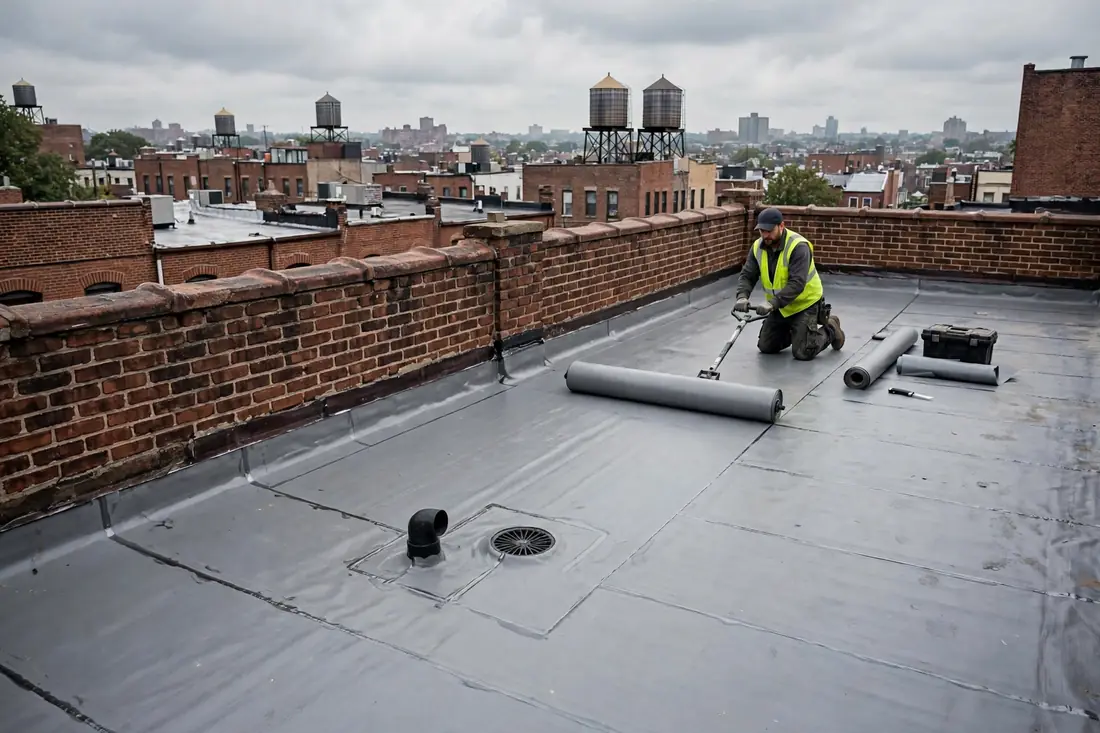
Membrane flat roofing for New Jersey's rowhouses, additions, porches, and low-slope sections — seams, drains, and ponding handled the way flat roofs actually demand.
Explore Flat Roofing →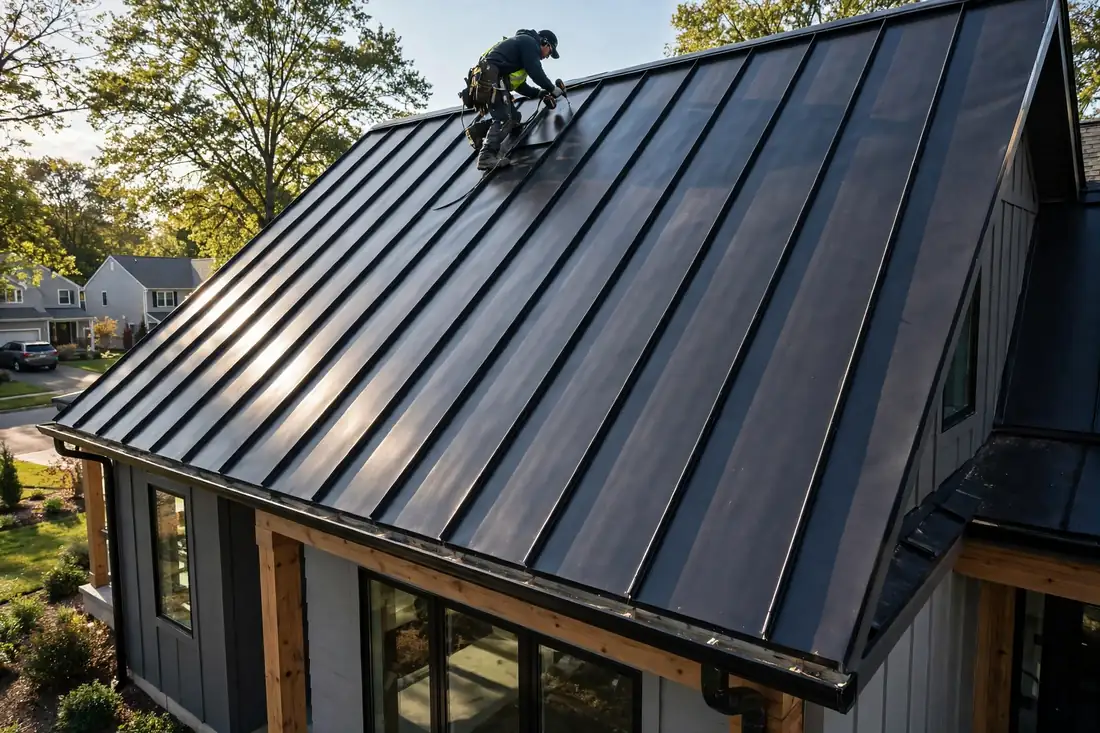
Standing seam and metal shingle roofing for New Jersey homes that want a decades-long roof — snow-shedding, wind-tough, and detailed around chimneys and valleys by craftsmen.
Explore Metal Roofing →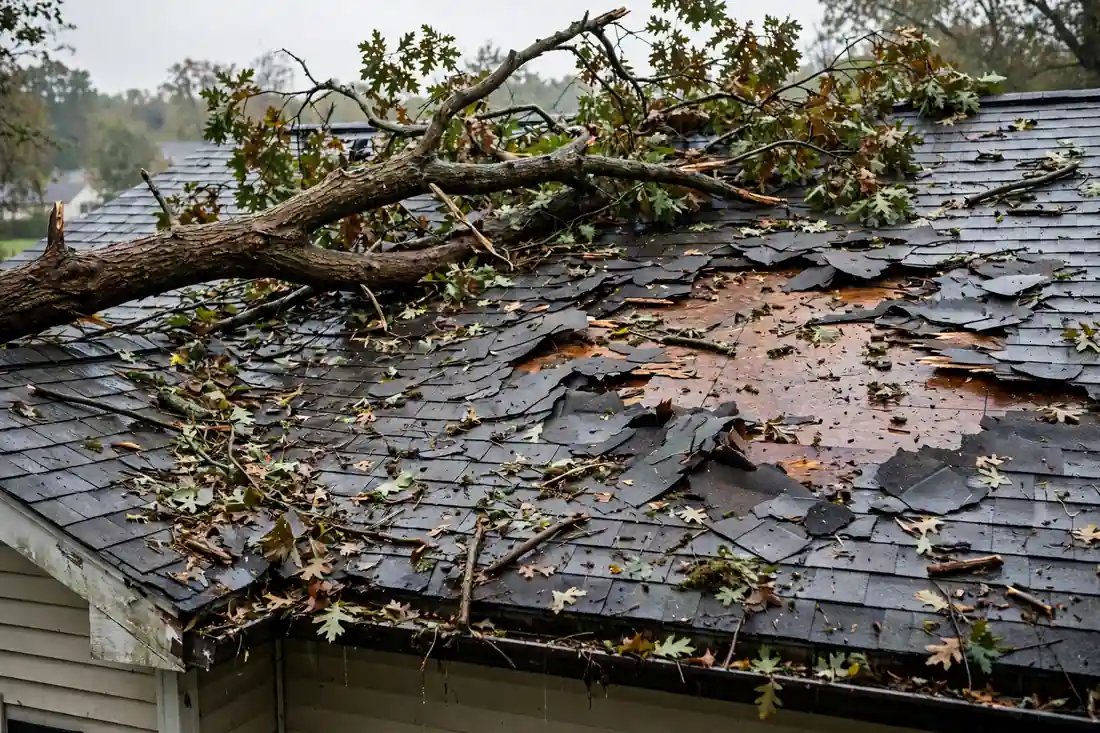
Post-storm roof repair for New Jersey homes — wind-torn shingles, fallen limbs, hail bruising, and water entry, documented properly and repaired permanently after the emergency pass.
Explore Storm Damage Roof Repair →One call connects you with a local New Jersey roofing professional — describe the roof, hear the plan, decide with evidence in hand.