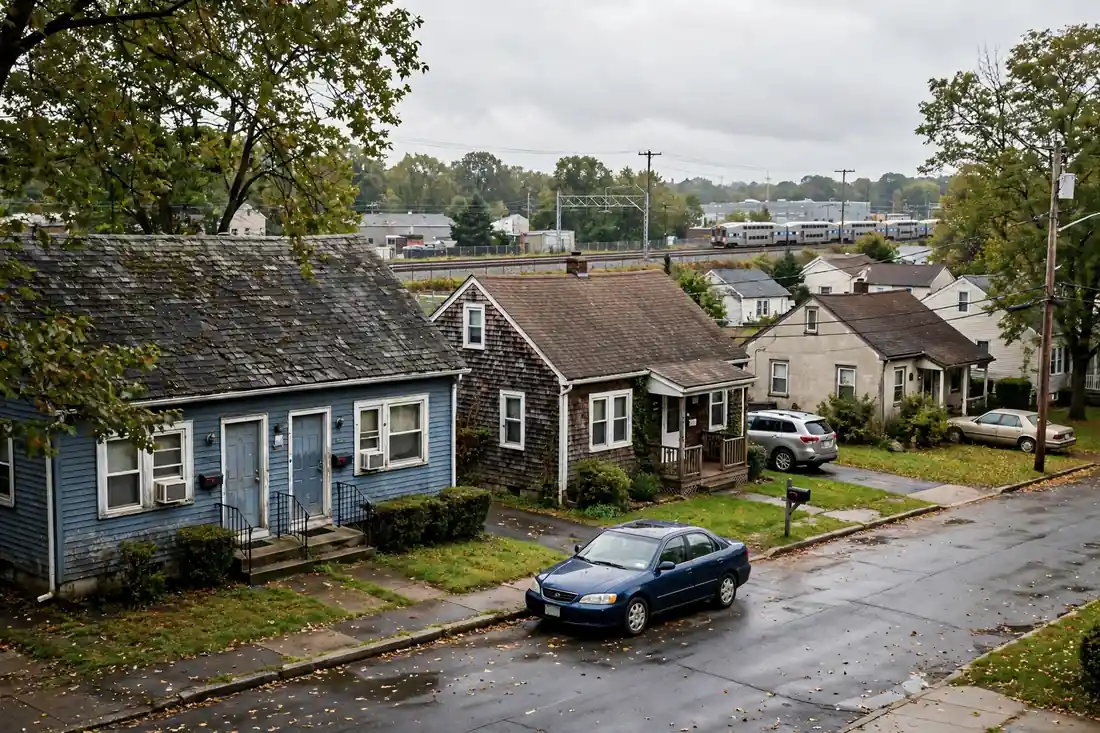
Unknown remaining life
Guessing a roof's age and condition from the street leads to bad budgets and worse surprises. An inspection replaces the guess with a slope-by-slope reading.
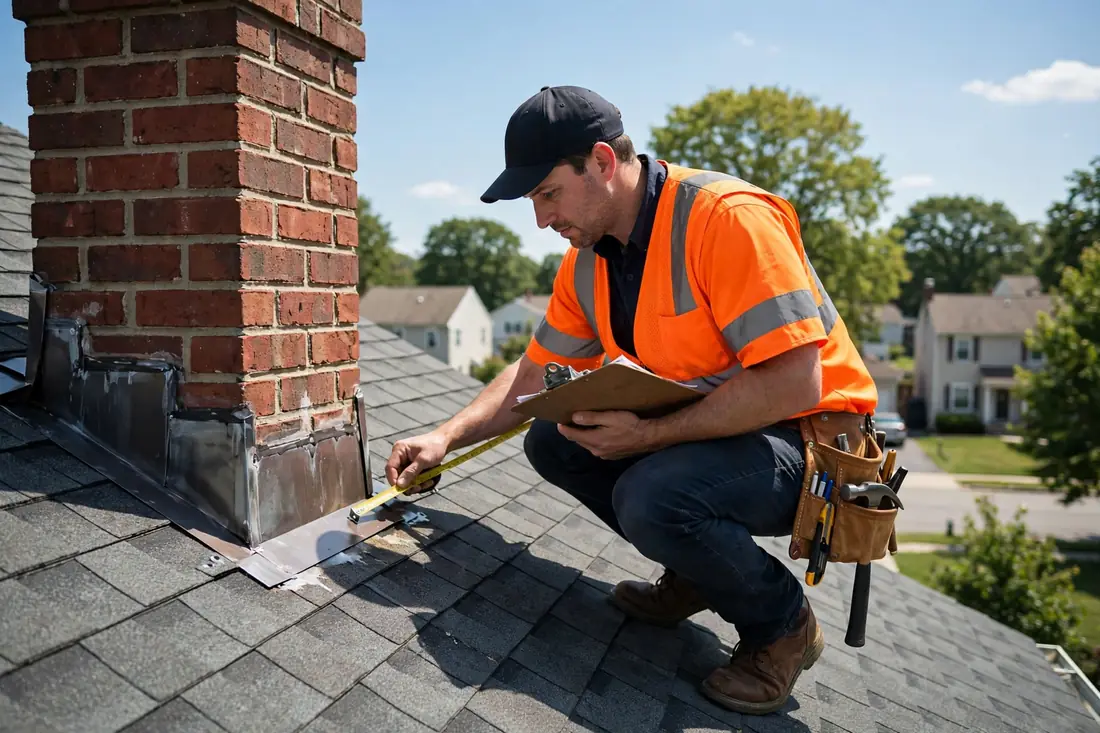
A full condition report for your roof — surface, flashing, deck indicators, attic, and ventilation — so repair, replacement, and storm decisions rest on evidence instead of guesses.
Active leak, storm damage, or a section open to the weather — call now and describe what you are seeing. You will be connected with a local roofing professional.
Most homeowners think about their roof twice: when it leaks and when they sell the house. A roof inspection moves that thinking earlier, while every option is still open and inexpensive. A proper inspection reads the roof the way a mechanic reads an engine — surface wear, flashing condition, ventilation, attic evidence, and the remaining service life in each slope — and turns it into a plain-language report you can plan around.
Inspections serve many moments: before buying or selling a home, after a major storm, when a roof crosses the fifteen-year line, or when you simply want to know whether the small thing you noticed is small. The local roofing professionals in this network document what they find with photos and specifics — not a sales pitch with checkboxes, but the evidence itself, so the decisions that follow are yours and informed.
A roof is the largest single system in most transactions. Knowing its real age and condition before the negotiation — not during it — changes outcomes for both sides.
Hail, high wind, and fallen limbs leave damage that is invisible from the ground: lifted seals, creased shingles, bruised mats. Documenting it promptly protects every option you have.
Mid-life is when small, fixable issues cluster — boots, flashing, a soft valley. An inspection at fifteen catches them while they are still a maintenance list, not a damage report.
A new stain, granules in the gutters, a shingle in the yard, daylight in the attic — any new signal deserves a look from someone who reads roofs daily.
On the roof, the inspector works through the surface slope by slope: shingle condition and granule coverage, lifted or creased pieces, exposed fasteners, and the state of every detail — chimney and wall flashing, valleys, pipe boots, vent caps, ridge, and drip edge. On flat and low-slope sections, seams, drains, and ponding marks get the same attention. Each finding is photographed where it sits, because a report you can see is a report you can trust.
In the attic, the second half of the story is read: deck staining and moisture, daylight points, insulation condition, bathroom fan venting (a shocking number vent straight into attics), and whether airflow from soffit to ridge actually exists. The two halves together produce the only honest verdict a roof can get — what is sound, what is aging, what needs work now, and what to watch — with a realistic sense of the roof's remaining years.
New Jersey inspections carry local knowledge. An inspector who works these counties knows that shore roofs need their fasteners and flashing checked for salt corrosion, that the ice-dam history of a cape shows in its eave decking, and that the region's triple-deckers hide flat rear sections whose drains decide everything. He also knows the paperwork side: many townships and insurers have their own documentation habits, and a report written to be useful in this state reads differently from a generic checklist.
Storm documentation has its own local rhythm. After a named storm or a hard nor'easter, insurers see thousands of claims, and the files that move are the ones with dated photos, clear damage mapping, and a professional's written findings. An inspection done promptly after the event — before temporary repairs blur the evidence — is what makes that file strong.
Guessing a roof's age and condition from the street leads to bad budgets and worse surprises. An inspection replaces the guess with a slope-by-slope reading.
Wind-lifted seals and hail bruising rarely announce themselves until the next season's leaks. Post-storm inspection finds them while documentation still matters.
A cracked boot is a minor line item this year and a decking replacement in three. Inspections exist to catch problems at the small end of that curve.
A buyer's home inspector flagging 'roof at end of life' mid-deal kills momentum and leverage. Knowing first — either side of the table — keeps the roof from ambushing the sale.
An inspection produces decisions, each tied to evidence:
Every slope walked or closely viewed, with condition noted per slope — because a roof's sunny south face and shaded north face age at different speeds.
Chimneys, walls, valleys, skylights, boots, and vents each checked and photographed; these details cause most leaks and get individual verdicts.
Decking, moisture, insulation, and ventilation examined from below, including the fan-venting and airflow issues that shorten roof life invisibly.
Findings, priorities, and remaining-life estimate in plain language — delivered for your records, your transaction, or your storm file.
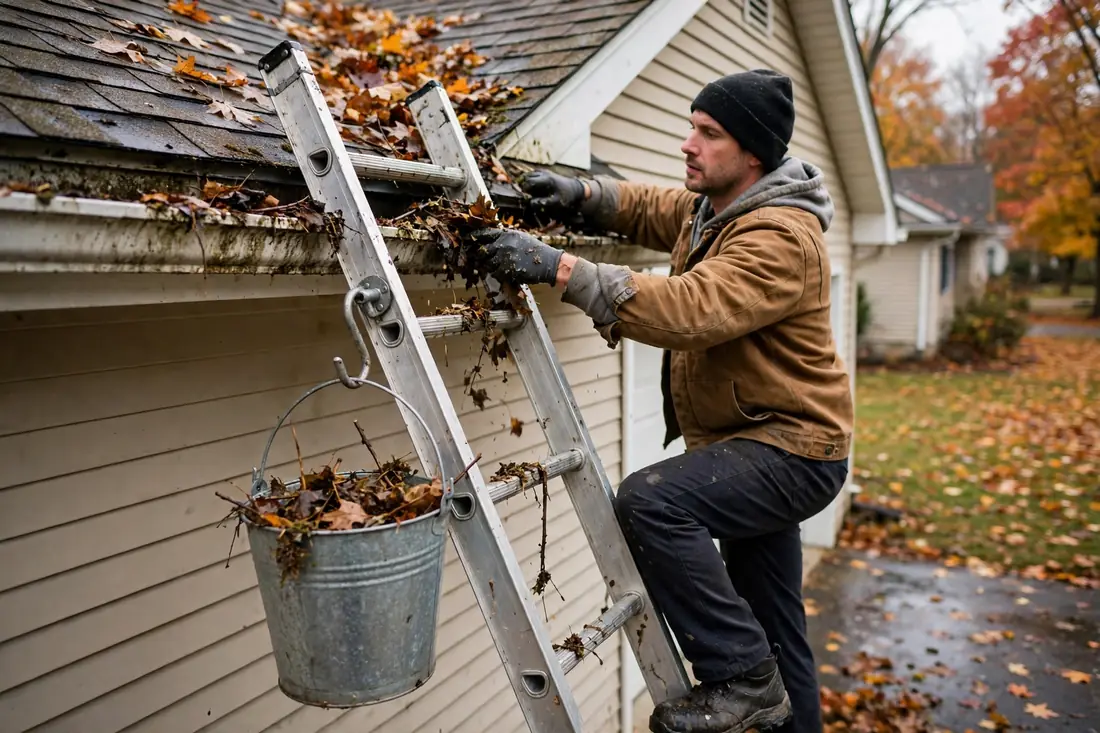
A good report sorts your next steps by urgency, not by drama. The 'now' list is usually short — an active leak path, a failed boot. The 'soon' list is where inspections earn their keep: planned, modest work scheduled on your timing instead of the weather's. Keep the photos with your home records; they become the baseline that makes the next inspection, years from now, able to measure change instead of guessing at it.
If the report says the roof is sound, believe that too — and file the report where a future buyer will find it. Documented condition is value. If it says replacement is coming, you now own the timeline: plan it for a fair-weather season of your choosing, with the scope already understood, instead of meeting it as an emergency.
Granule loss, lifted seals, and flashing fatigue are invisible from the street. The roofs that 'look fine' fail on the same schedule as the ones that don't.
By the time water shows inside, the small-fix window has often closed. Mid-life inspections exist to find the boot and flashing failures while they are still errands.
A condition claim you cannot see is an opinion. Photographed findings let you, a buyer, or an insurer evaluate the same evidence the roofer did.
Half the roof's story is written on the underside of the deck. An inspection that never opens the attic hatch has read only the cover.
Post-storm damage documented months later is hard to connect to the event. Prompt inspection preserves the link while the evidence is fresh.
One thorough inspection when you buy, or when the roof turns fifteen, establishes the condition record everything else builds on.
Any storm that drops limbs or lifts neighborhood shingles earns your roof a check — damage hides well and documents poorly with time.
Boots, sealant, and valleys age on a five-to-ten-year cycle. A periodic professional look keeps that maintenance ahead of failure.
Purchase, sale, storm, age, or a specific worry — the occasion shapes what the report emphasizes and how it is documented.
The inspector works the surface slope by slope and the attic below it, photographing findings as they are found.
You receive the written findings with photos, the prioritized list, and the remaining-life estimate — and a walkthrough of what it all means, in plain terms.
Repairs, monitoring, or replacement planning follow from the evidence. The report is yours to use with any contractor, insurer, or buyer.
Local roofing professionals for roof inspection serve Newark and fifteen more New Jersey cities. Choose your city for local detail:
A slope-by-slope surface examination, detail checks of all flashing, boots, valleys, and vents, an attic assessment of decking, moisture, and ventilation, and a written report with photos, priorities, and a remaining-life estimate. It is an evidence-gathering visit, not a sales call.
It is one of the highest-value steps in a purchase. A general home inspection notes the roof briefly; a roofer's inspection measures its real condition — age, remaining life, and near-term needs — before you commit, while the information can still shape the deal.
Yes — prompt post-storm inspection documents wind and impact damage while it is fresh and attributable: lifted seals, creased or missing shingles, bruised areas, and debris damage, all photographed and mapped for your records or an insurance conversation.
A practical rhythm for New Jersey: a baseline at purchase or around year fifteen, after any major storm, and every few years thereafter as the roof ages. Boots and sealant age faster than shingles, and the periodic look is what catches them in time.
The report is the product: photographed findings and a prioritized list you can take anywhere. If a roof has years of life left, the report says so — most inspected roofs need a maintenance list, not a replacement, and the evidence is yours either way.
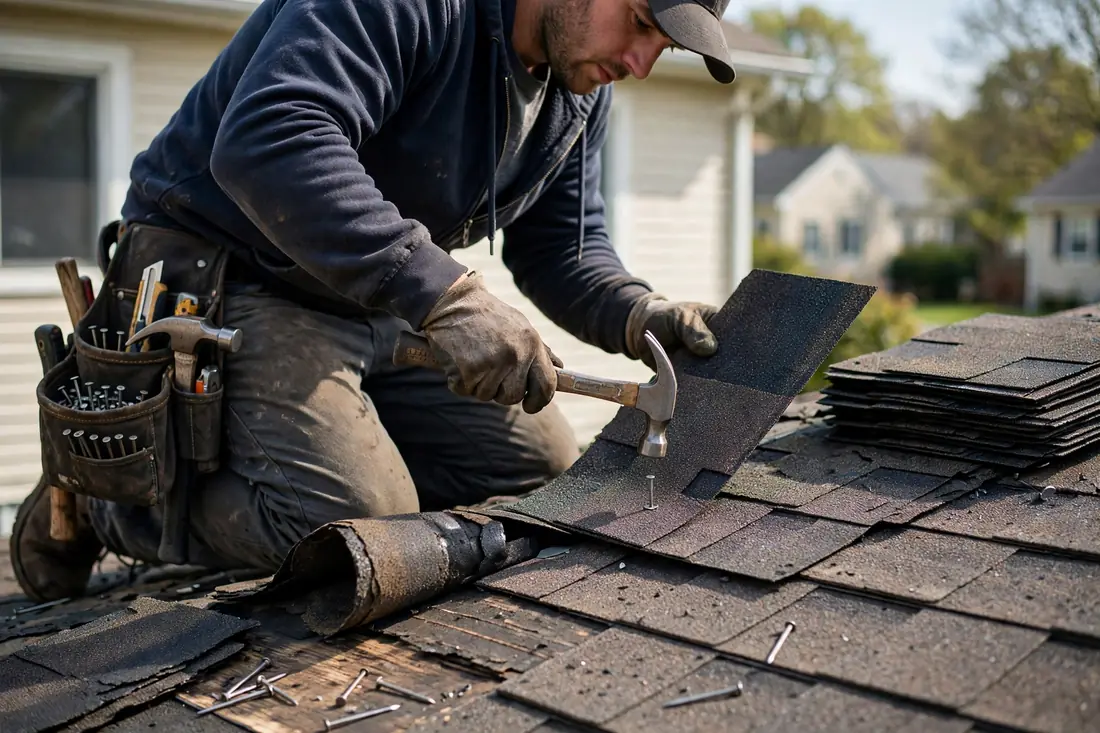
Targeted repairs for the failures New Jersey roofs actually develop — lifted shingles, tired flashing, worn pipe boots, and small leaks caught before they reach the ceiling.
Explore Roof Repair →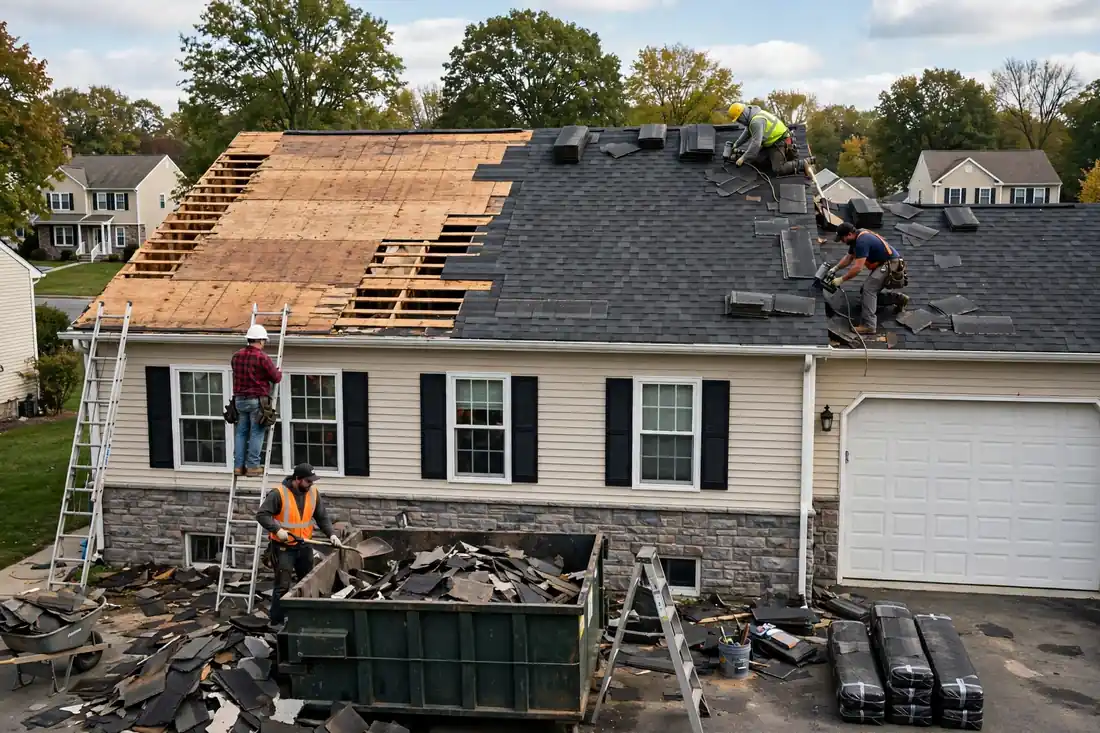
Full tear-off and re-roofing for New Jersey homes whose shingles have reached the end of their service life — deck inspection, modern underlayment, and a roof built for nor'easters and freeze-thaw.
Explore Roof Replacement →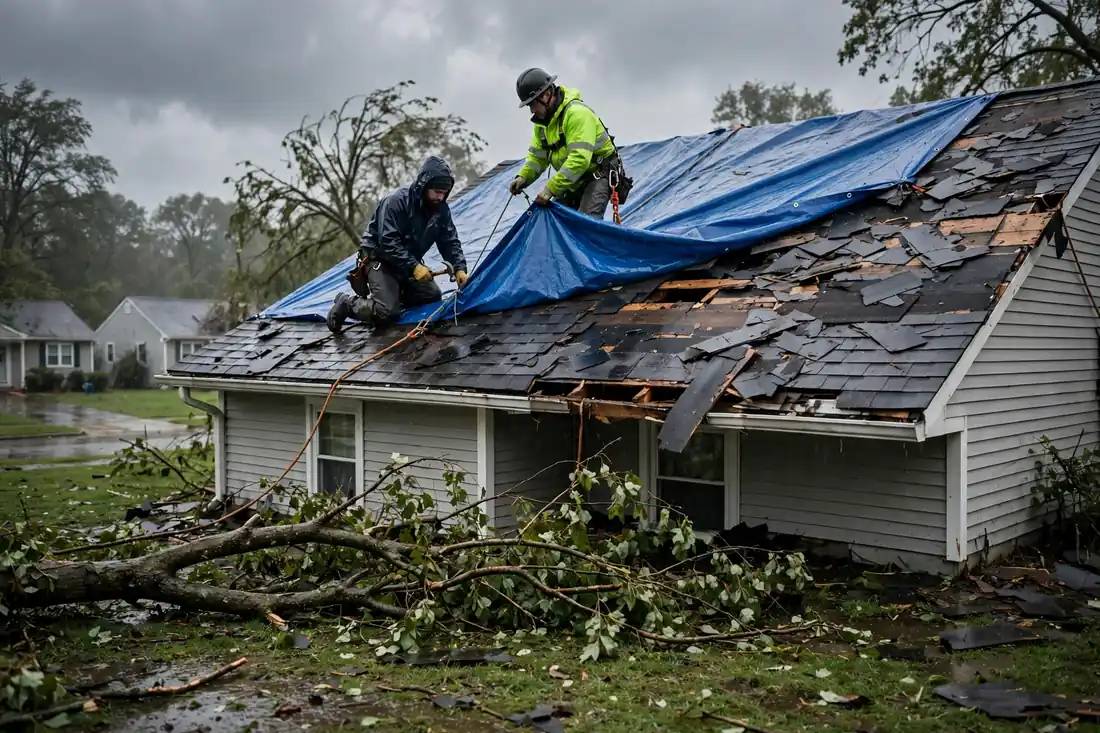
When a storm opens your roof — fallen limbs, torn-off shingles, active leaks — the first job is stopping the water. Emergency tarping, temporary sealing, and the permanent repair that follows.
Explore Emergency Roof Repair →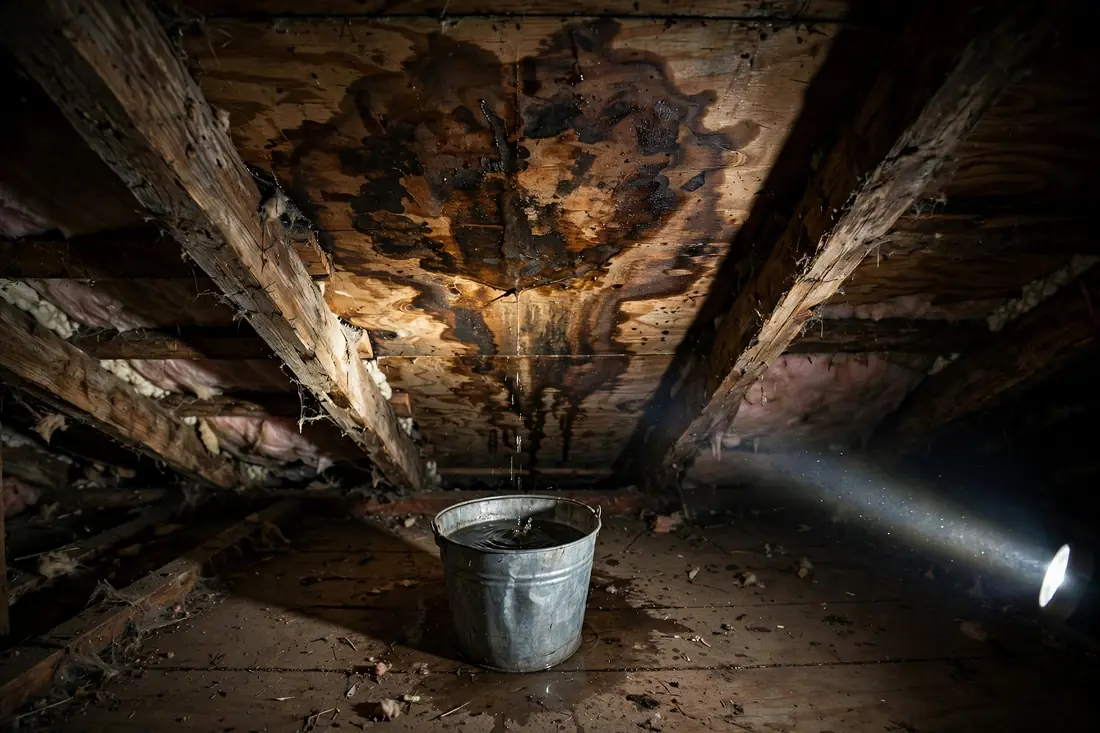
Leak detection and repair that starts where the water starts — tracing stains back through the attic to the failed flashing, boot, or seam that let the water in.
Explore Roof Leak Repair →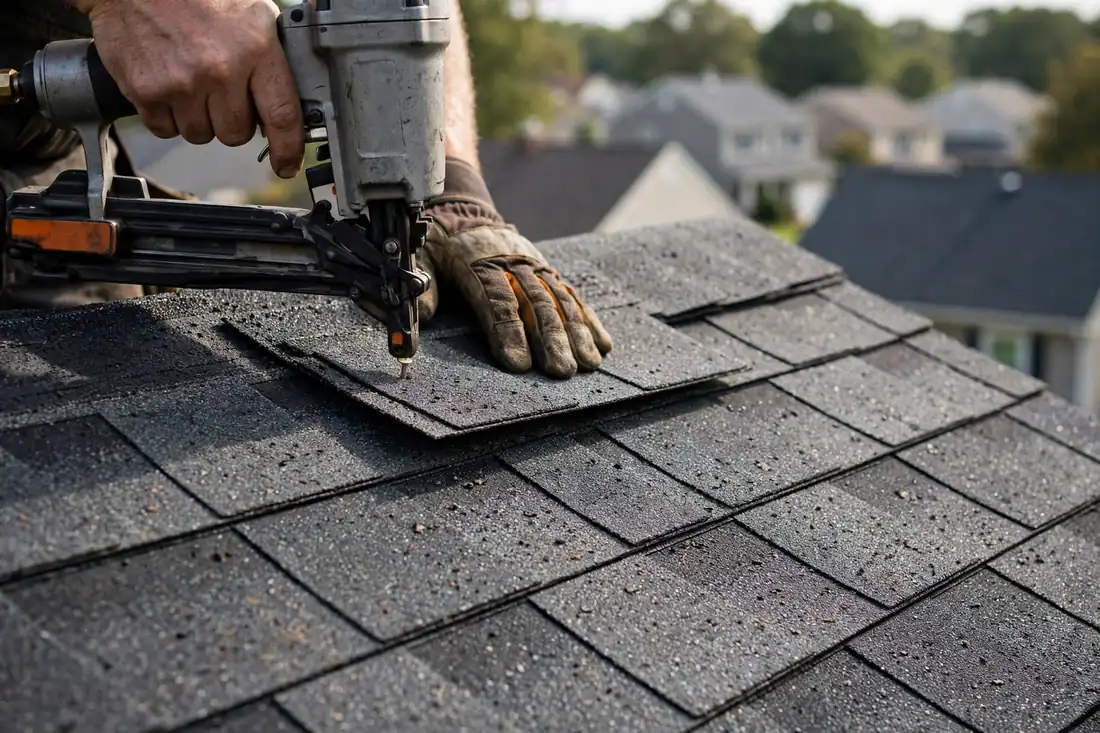
Architectural asphalt shingle installation and replacement — the workhorse roof for New Jersey homes, detailed for wind, ice, and summer heat, in the profiles and colors that suit each neighborhood.
Explore Shingle Roofing →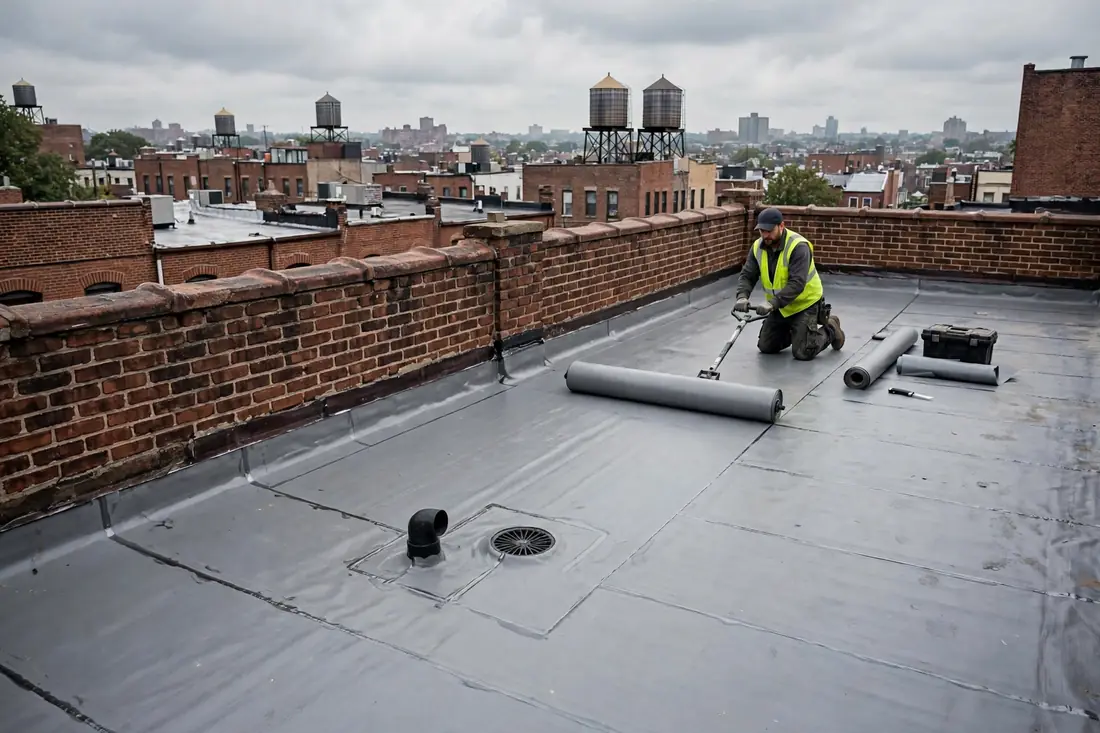
Membrane flat roofing for New Jersey's rowhouses, additions, porches, and low-slope sections — seams, drains, and ponding handled the way flat roofs actually demand.
Explore Flat Roofing →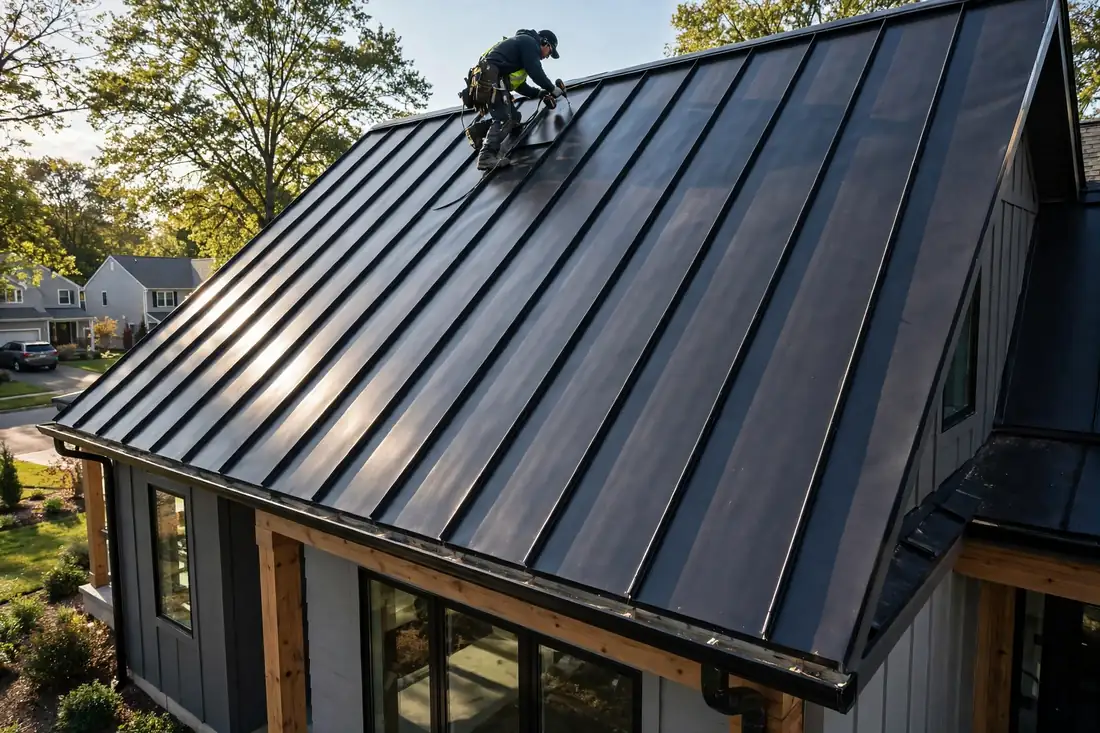
Standing seam and metal shingle roofing for New Jersey homes that want a decades-long roof — snow-shedding, wind-tough, and detailed around chimneys and valleys by craftsmen.
Explore Metal Roofing →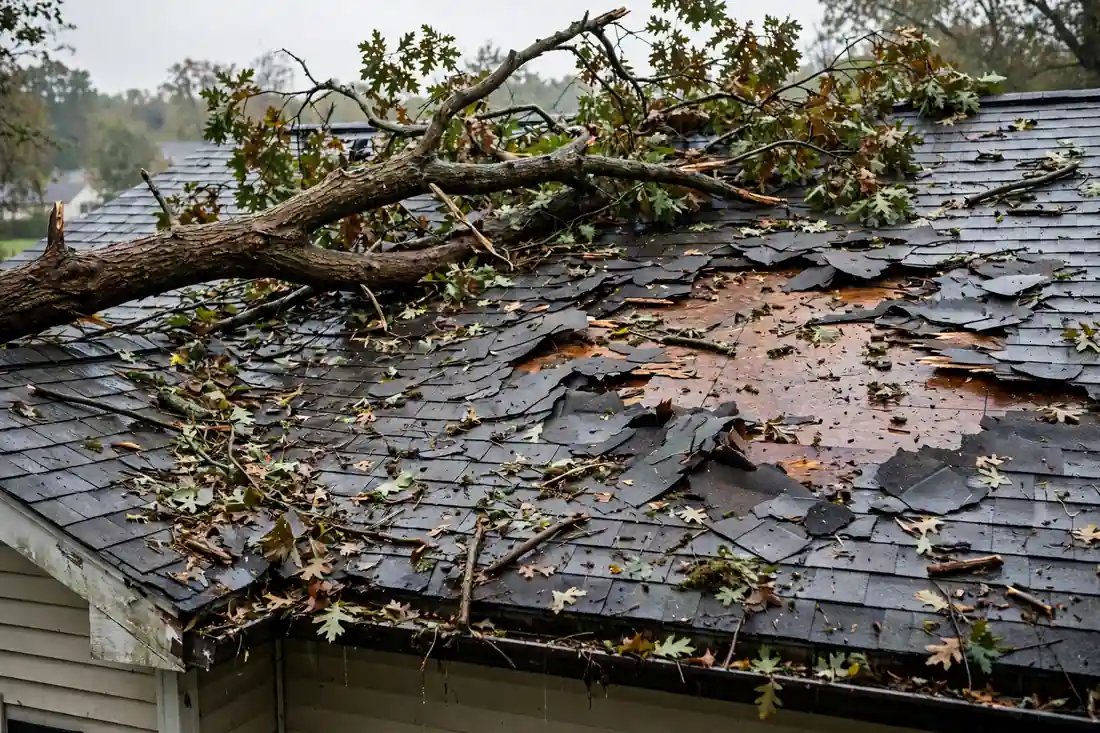
Post-storm roof repair for New Jersey homes — wind-torn shingles, fallen limbs, hail bruising, and water entry, documented properly and repaired permanently after the emergency pass.
Explore Storm Damage Roof Repair →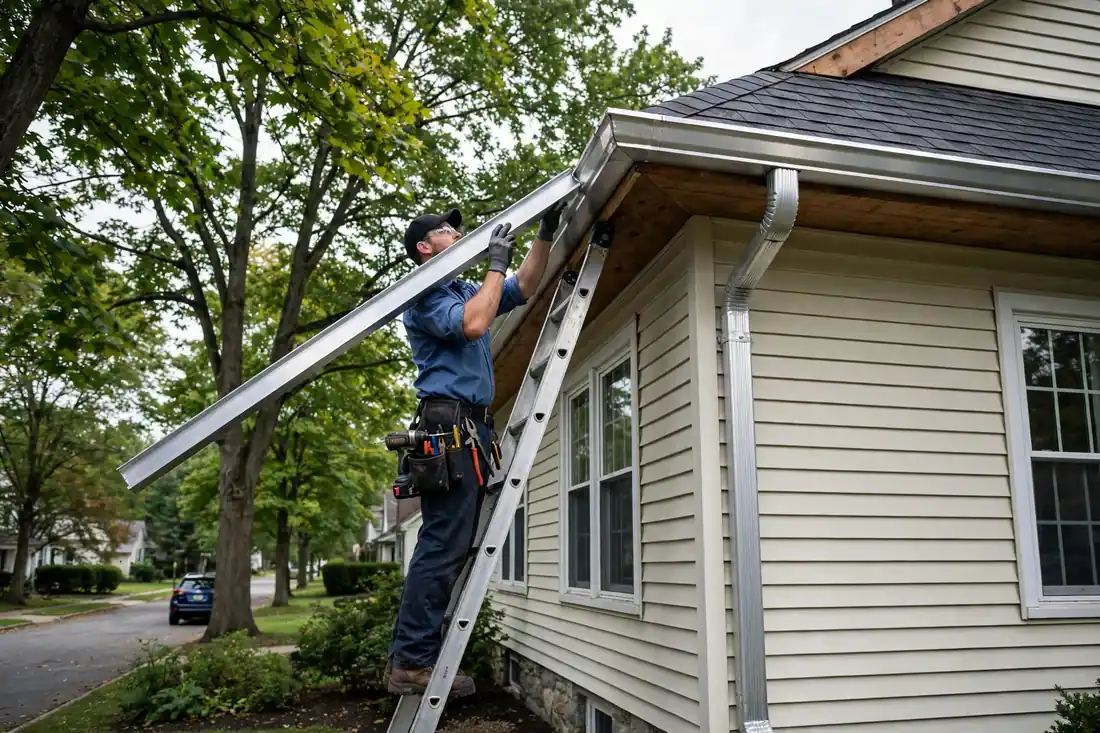
Seamless gutter installation and replacement sized to New Jersey roof lines — moving storm water off the roof and away from the foundation, with downspouts that actually keep up.
Explore Gutter Installation →One call connects you with a local New Jersey roofing professional — describe the roof, hear the plan, decide with evidence in hand.