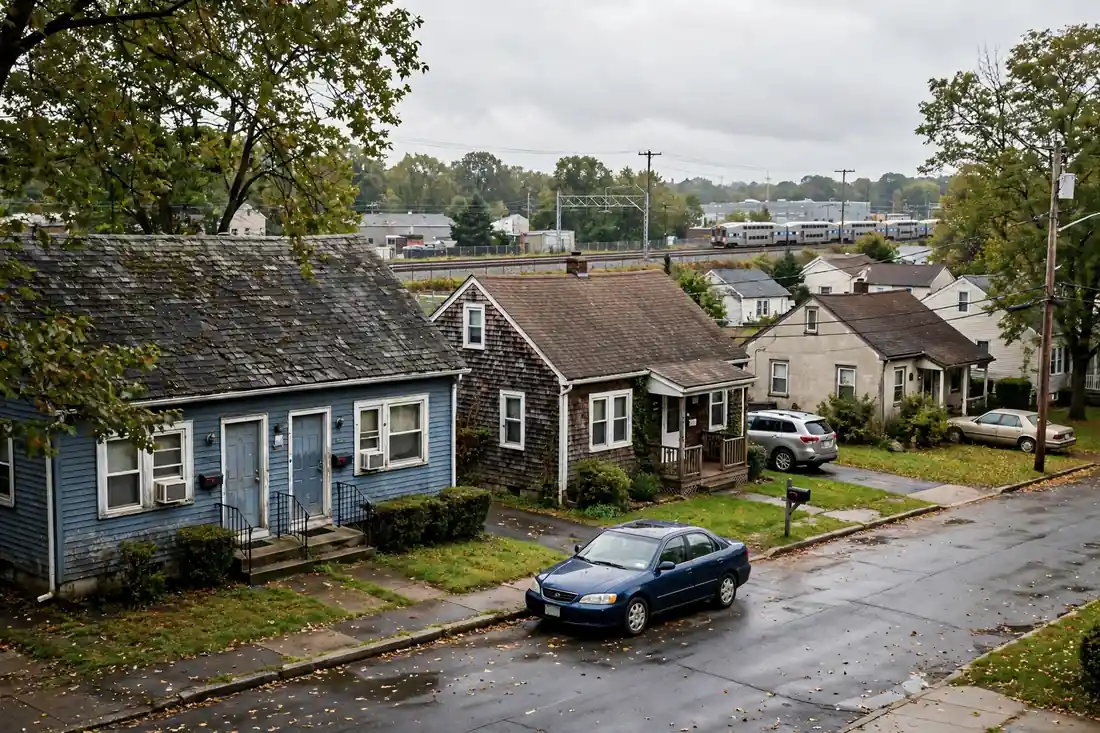
Ponding and drainage failure
Settled insulation, clogged drains, and dead-level sections hold water against seams until the seams give up — the leading cause of flat-roof leaks.
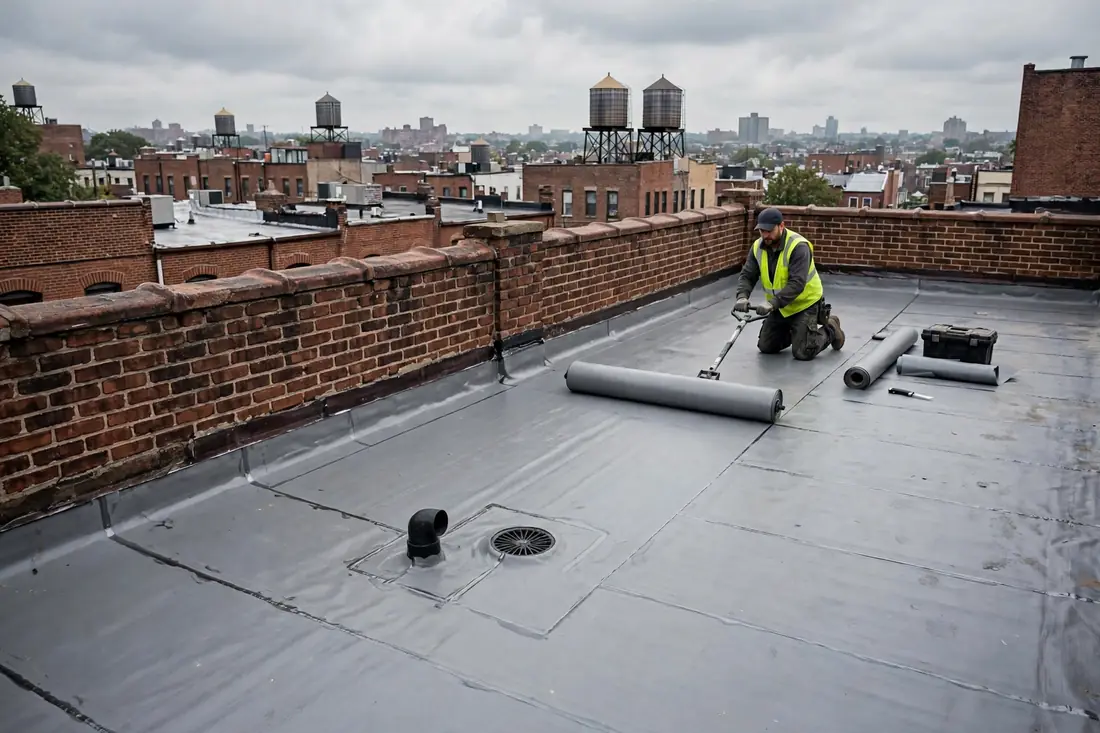
Membrane flat roofing for New Jersey's rowhouses, additions, porches, and low-slope sections — seams, drains, and ponding handled the way flat roofs actually demand.
Active leak, storm damage, or a section open to the weather — call now and describe what you are seeing. You will be connected with a local roofing professional.
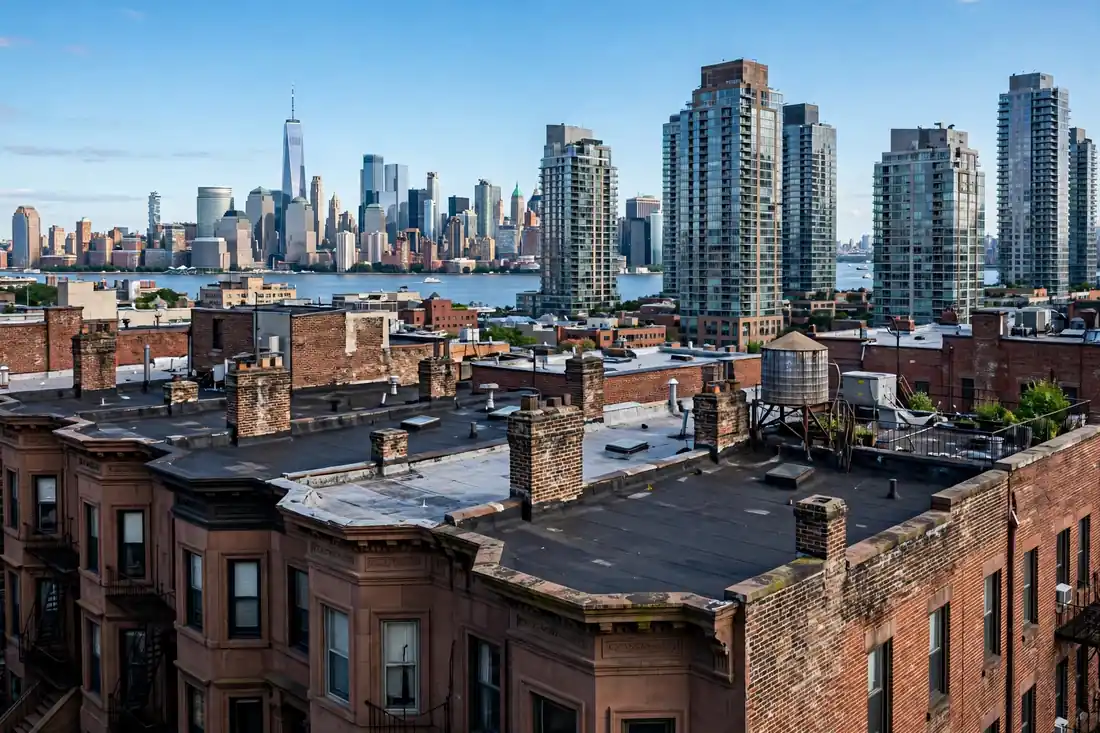
Flat roofs play by different rules. A pitched roof sheds water by overlap and gravity; a flat or low-slope roof must be a sealed system — membrane, seams, flashing, and drains working as one waterproof skin, because water that lands on it leaves slowly and looks for any weakness on its way out. Flat roofing covers the rear sections of New Jersey's rowhouses, countless porches and additions, garage roofs, and commercial buildings across the state's older cities.
The local roofing professionals in this network install and repair the membrane systems these roofs need — modern single-ply and modified bitumen — with the craft concentrated where flat roofs live or die: the seams, the edges, the penetrations, and above all the drainage. A flat roof with correct slope to clear drains outlasts a thicker membrane that ponds, every time.
Puddles still standing two days after rain are the clearest flat-roof warning. Standing water weighs, seeps at seams, and ages membrane years ahead of schedule.
The laps between membrane sheets are the system's joints. Separated, fish-mouthed, or alligatored seams are open invitations written in the roof's own material.
Raised areas where moisture or air is trapped under the membrane signal adhesion failure — each blister is a thin spot waiting for a footstep or a freeze.
Flat-roof leaks often trace to drains, scuppers, and edge metal rather than the field. A stain that repeats under one corner narrows the hunt considerably.
A modern flat roof is a layered assembly: deck, insulation — often tapered to create the subtle slope the 'flat' roof actually needs — cover board, membrane, and the flashing that marries the membrane to every wall, curb, pipe, and edge it meets. The membrane may be a single-ply sheet with heat-welded or adhered seams, or modified bitumen rolled and torched or cold-applied in plies. Each system has its strengths; all of them fail first at the joints between materials and trades.
Drainage is the system's heartbeat. Interior drains, scuppers through parapet walls, and gutters at open edges must each carry their area's water away without ponding. A surprising share of flat-roof 'membrane failures' are really drainage failures — a clogged drain or a settled area that holds a pond against a seam for weeks. Diagnosis on a flat roof therefore starts at the drains and works outward to the field.
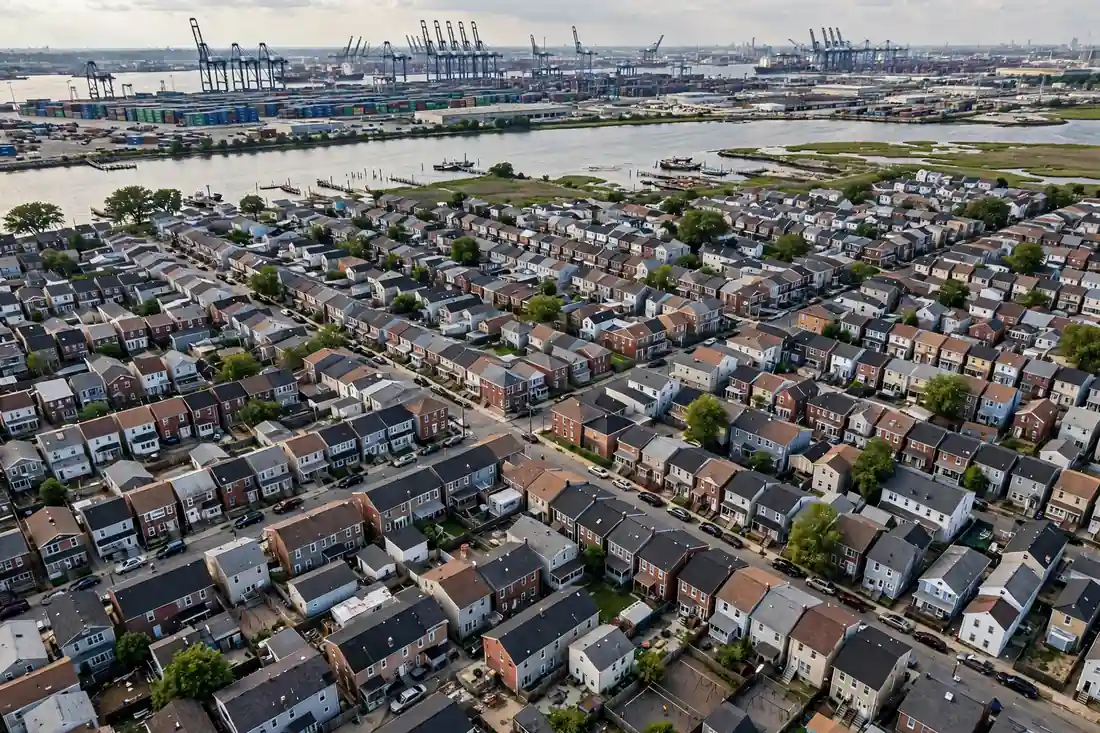
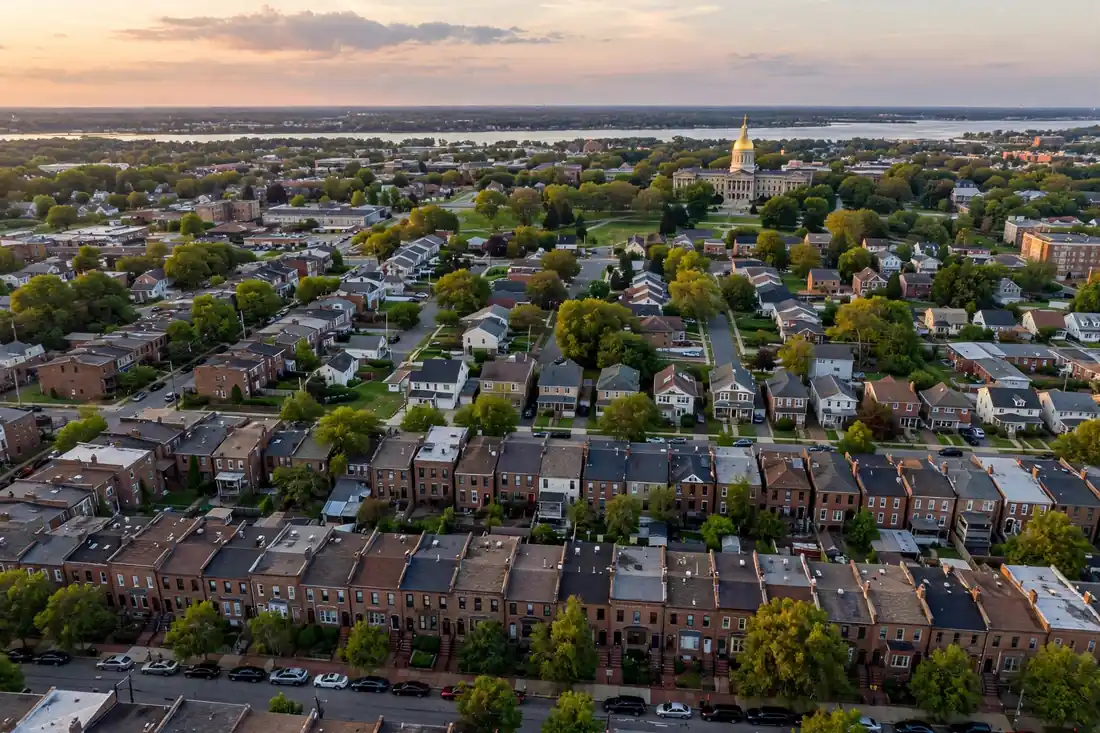
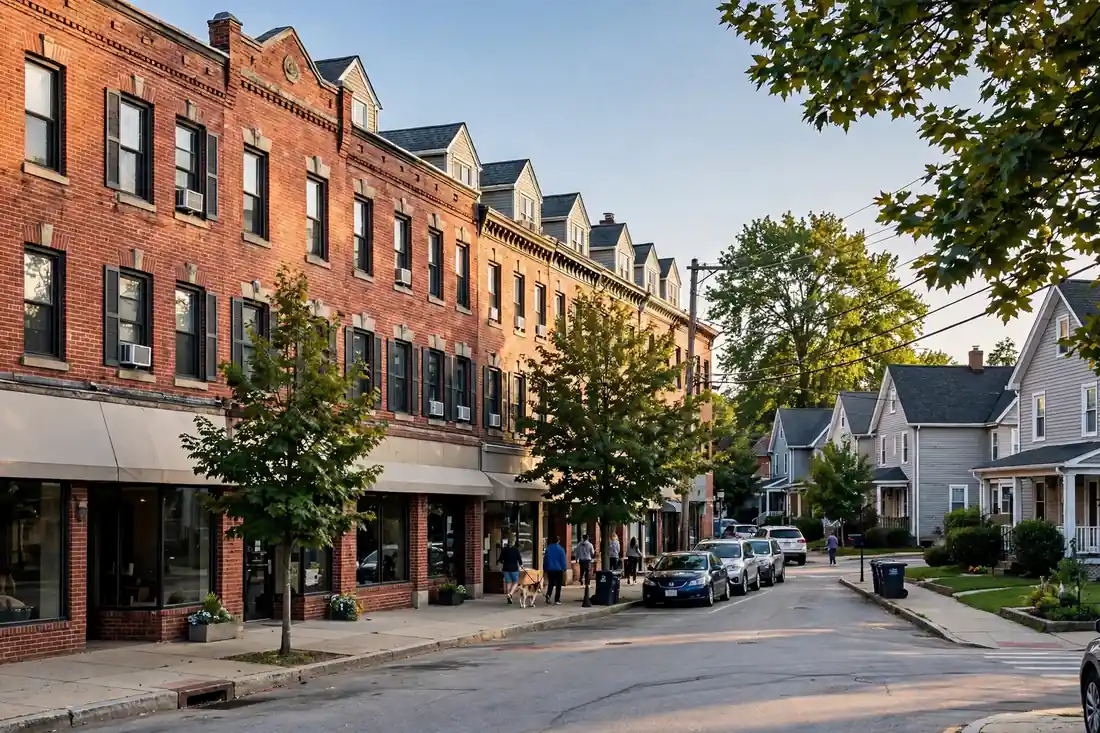
Newark, Elizabeth, Jersey City, Paterson, Camden, Trenton — the state's older urban fabric is full of flat roofs: the main and rear sections of brick rowhouses and triple-deckers, storefronts with apartments above, and a century of porches and additions built nearly level. Many carry layers of history — old built-up tar roofs under later membranes — and parapet walls whose coping and counter-flashing decide whether the roof below them stays dry.
Local flat-roof work also answers local weather: ponded water that freezes into ice sheets in January, summer heat that bakes dark membranes past 170 degrees, and nor'easter rain that arrives horizontally at parapet joints. Reflective modern membranes answer the heat; welded seams and rebuilt drainage answer the rest. A roofer who works these streets knows which rear-section roofs drain to a single scupper and plan the work accordingly.
Settled insulation, clogged drains, and dead-level sections hold water against seams until the seams give up — the leading cause of flat-roof leaks.
Laps that lose adhesion and flashing that pulls from walls or curbs open the joints the whole system depends on being closed.
Older built-up and modified surfaces crack into a web of fissures as their oils bake out, turning the field itself into the leak.
Copings, counter-flashing, and edge metal at the roof's perimeter fail quietly and funnel water into the wall below the roof line.
Flat roof repairs and replacements target the system, not just the surface:
The roof is read wet or dry for ponding evidence, drains are tested, and seams and flashing are probed before any scope is written.
Membrane type, seam method, insulation and taper plan, flashing scope, and drain work — flat roofs reward specificity, and you should have it in writing.
Wet insulation or deck found under the old roof is removed, not roofed over — trapped moisture destroys new systems from beneath.
Seams probed, drains flow-tested, and terminations inspected before the job is called done.
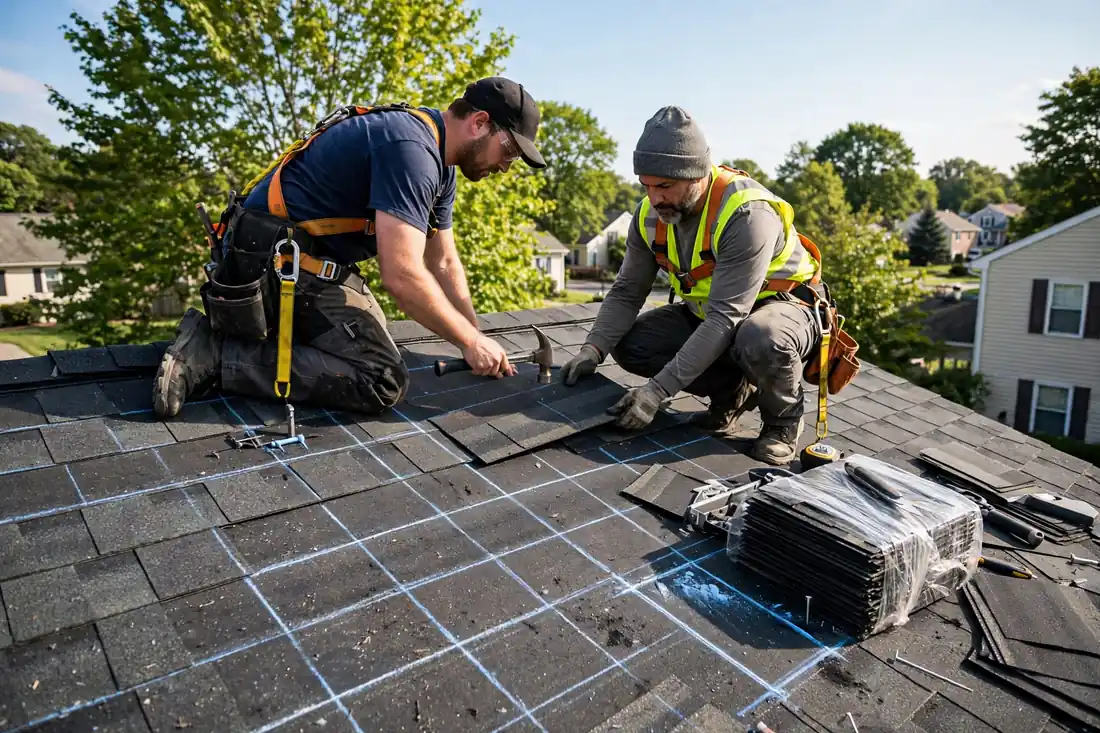
Judge a flat roof by the first rains. Ponds should shrink to nothing within a day or two of dry weather; drains should run clear; the ceiling below should stay exactly as dry as the report promised. Photograph the roof after a rain from a window or the access point — that image, compared across seasons, is your maintenance record.
Then keep the drains sacred. Most flat-roof emergencies are clogged-drain stories: leaves at a scupper, a ball in an interior drain strainer. A twice-yearly drain and seam check is the whole maintenance program, and it is simple insurance on the roof that protects everything beneath it.
A coating can extend a sound membrane's life; over split seams and wet insulation it seals the failure in and adds weight to a roof already holding water.
Flat roofs are low-slope, not no-slope. Standing water past forty-eight hours is a defect to correct, not a trait to accept.
Saturated insulation loses its value, adds enormous weight, and rots decks from inside. It has to come out while the roof is open.
Most flat leaks live at joints and drains. Field patches over a parapet or drain problem buy weeks, and the water keeps its real path.
One autumn of leaves in a single drain can pond a whole roof section against its seams all winter. Drain checks are the flat roof's oil change.
A spring and fall look at seams, drains, and ponding marks — from the access hatch, with photos — catches the small failures while they are one-visit fixes.
Strainers in place, scuppers clear, and any pond that outlasts two dry days reported to your roofer instead of watched.
Membranes are tough but not sidewalks. Walk pads on service routes and care around rooftop units keep the field un-punctured.
Age if you know it, where stains appear, how it drains, what has been patched before — flat roofs confess through their history.
Seams probed, drains tested, ponding mapped, and moisture checked where the evidence points, before a scope is proposed.
From targeted seam and flashing work to a full tapered re-roof — the scope matches the diagnosis, in writing.
Drains run, seams inspected, photos documented, and a simple watch plan for the seasons ahead.
Local roofing professionals for flat roofing serve Newark and fifteen more New Jersey cities. Choose your city for local detail:
Modern membrane systems commonly serve twenty years and more when their seams, flashing, and drainage are maintained — and far less when ponding is ignored. The material matters less than the drainage: a dry flat roof ages slowly, a ponded one ages in dog years.
Leaks at seams, flashing, or drains on an otherwise sound membrane are repairs. A field that is cracked across its whole surface, insulation saturated beneath, or patches layered on patches argue for re-roofing — the diagnosis, with moisture evidence, settles the question.
Causes include settled or crushed insulation, a deck that has deflected over time, clogged or undersized drains, and original construction with too little slope. Tapered insulation added during re-roofing is the durable correction; drain work fixes the rest.
Single-ply membranes with welded seams suit many New Jersey flat roofs for their clean seams and reflective options; modified bitumen remains a strong choice for smaller, heavily detailed roofs. Your roofer matches the system to the roof's size, foot traffic, and detail count.
More than a pitched roof, and simpler: keep drains clear, watch seams twice a year, and photograph ponding. Twenty minutes twice a year is the difference between a twenty-year roof and a ten-year one.
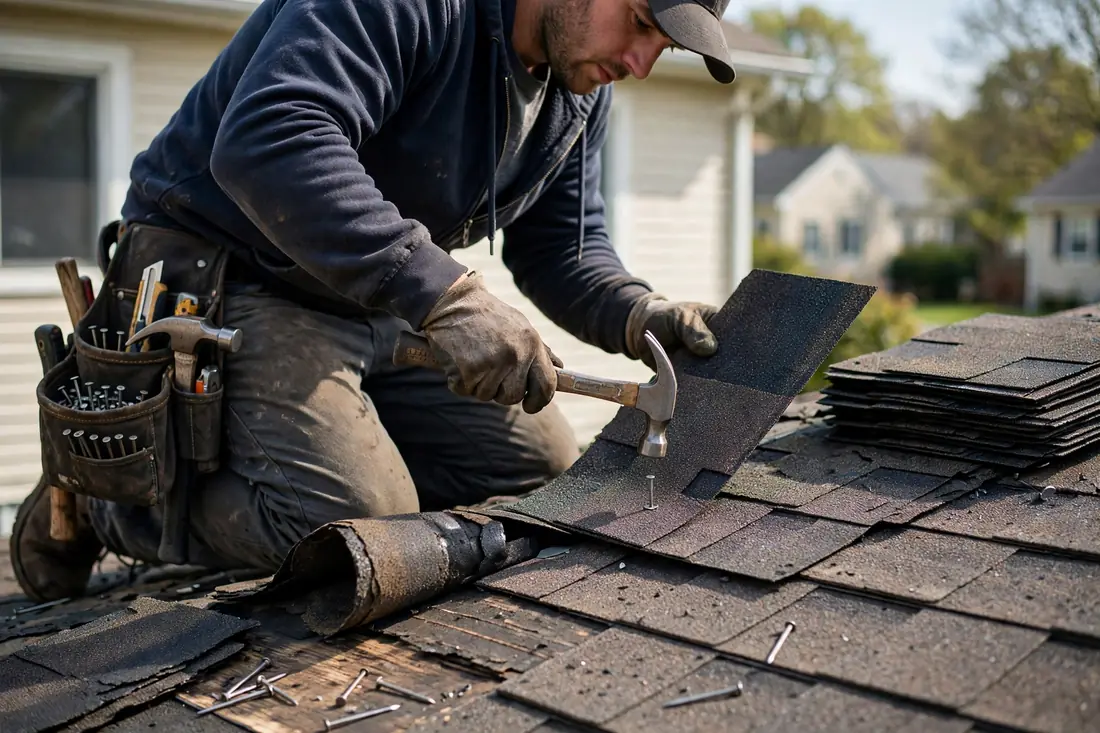
Targeted repairs for the failures New Jersey roofs actually develop — lifted shingles, tired flashing, worn pipe boots, and small leaks caught before they reach the ceiling.
Explore Roof Repair →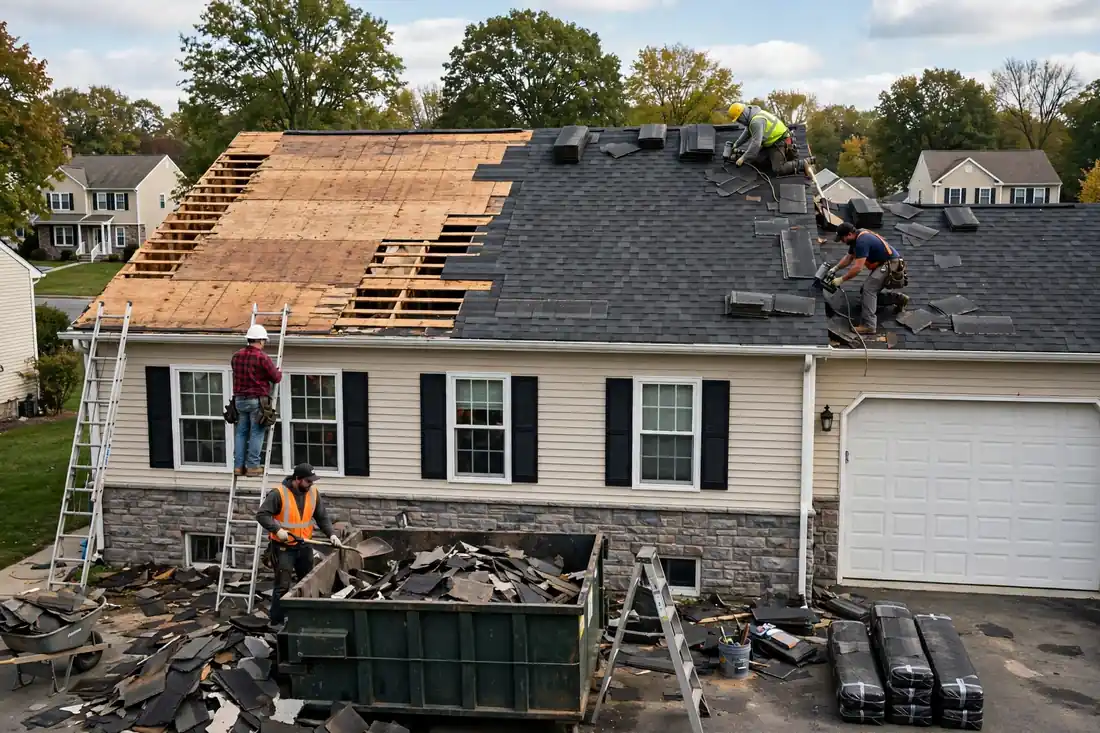
Full tear-off and re-roofing for New Jersey homes whose shingles have reached the end of their service life — deck inspection, modern underlayment, and a roof built for nor'easters and freeze-thaw.
Explore Roof Replacement →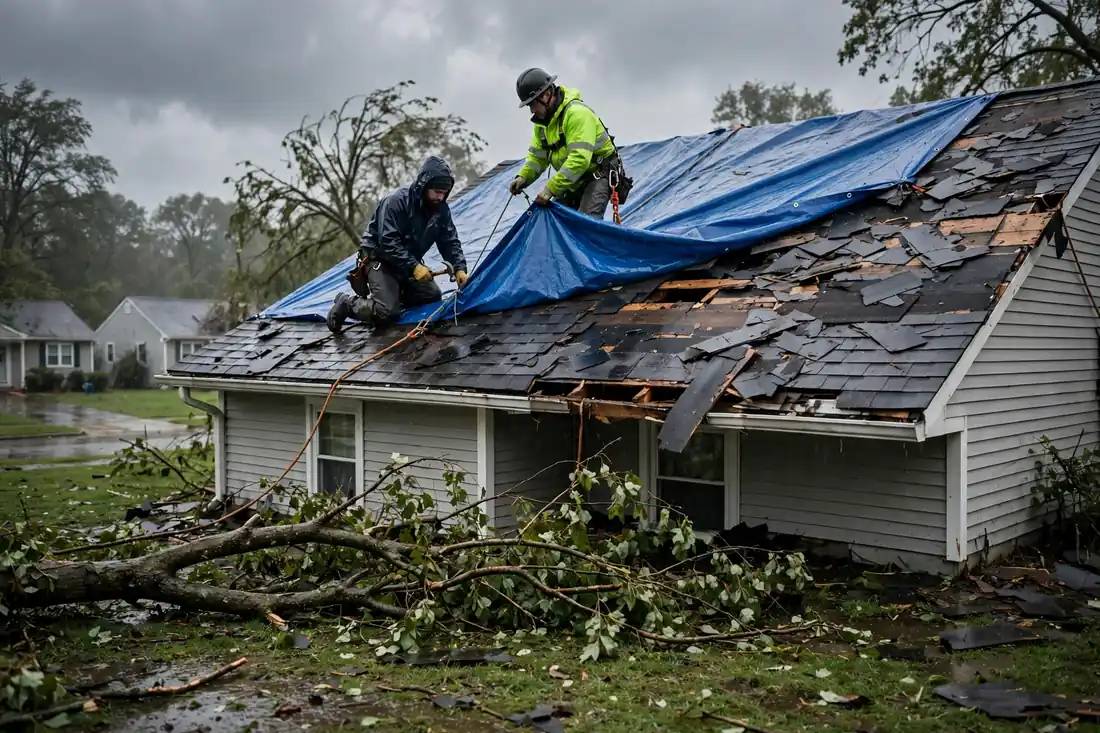
When a storm opens your roof — fallen limbs, torn-off shingles, active leaks — the first job is stopping the water. Emergency tarping, temporary sealing, and the permanent repair that follows.
Explore Emergency Roof Repair →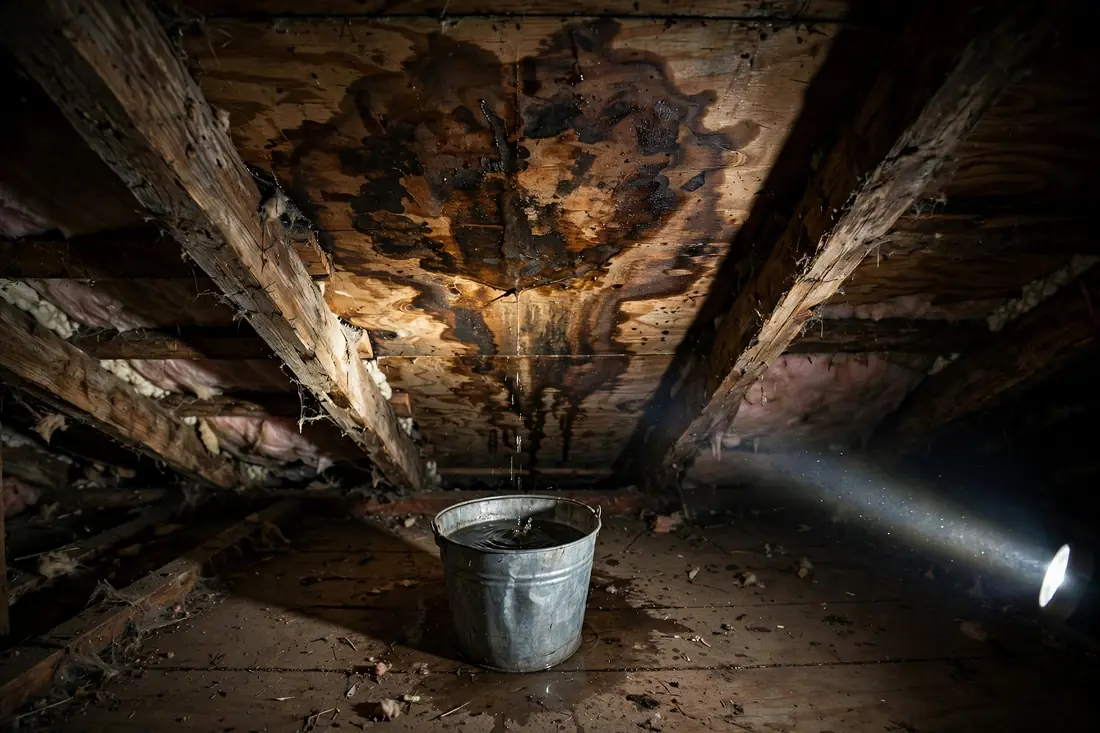
Leak detection and repair that starts where the water starts — tracing stains back through the attic to the failed flashing, boot, or seam that let the water in.
Explore Roof Leak Repair →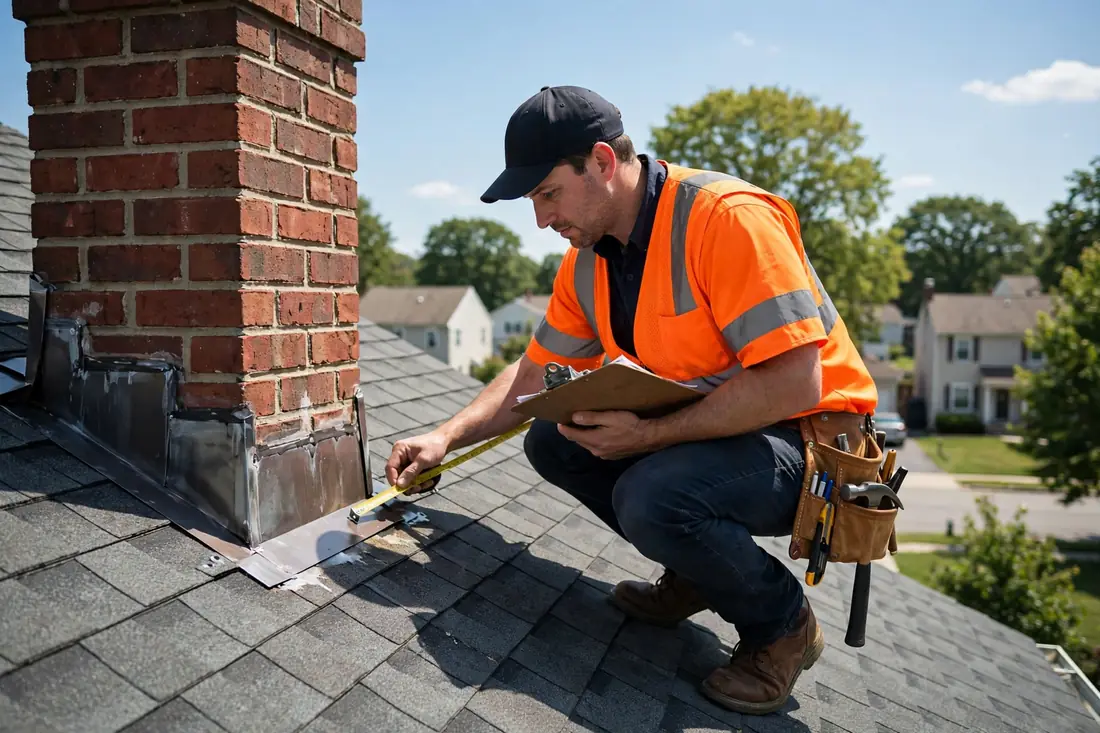
A full condition report for your roof — surface, flashing, deck indicators, attic, and ventilation — so repair, replacement, and storm decisions rest on evidence instead of guesses.
Explore Roof Inspection →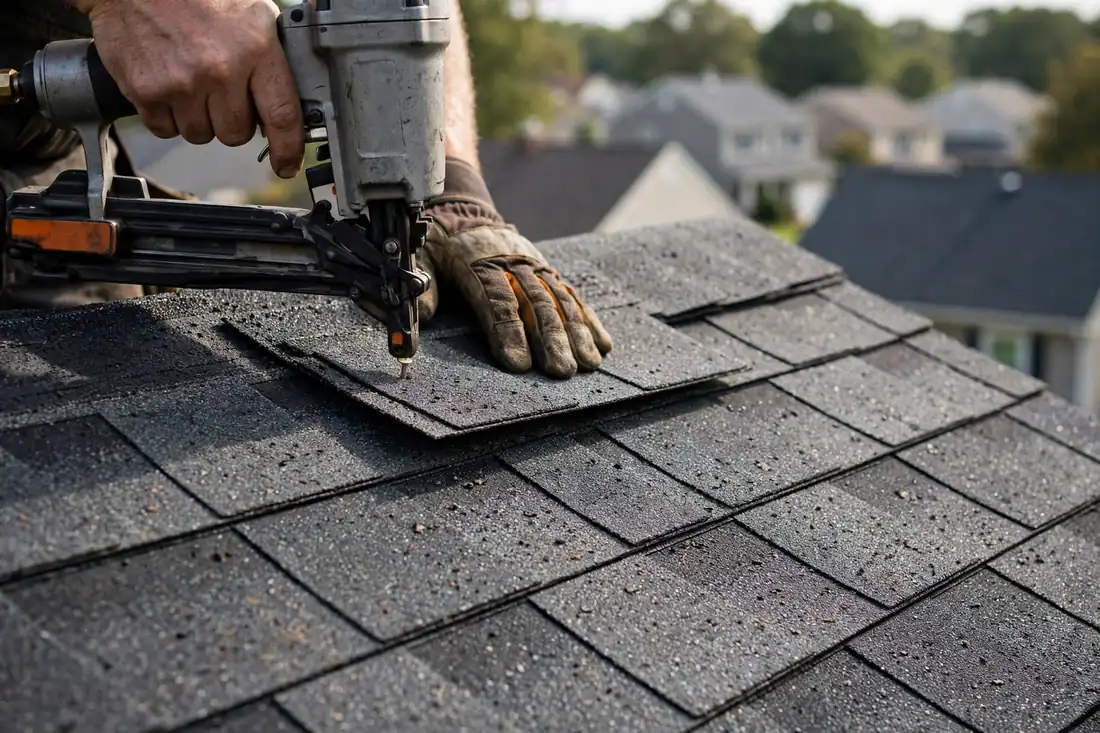
Architectural asphalt shingle installation and replacement — the workhorse roof for New Jersey homes, detailed for wind, ice, and summer heat, in the profiles and colors that suit each neighborhood.
Explore Shingle Roofing →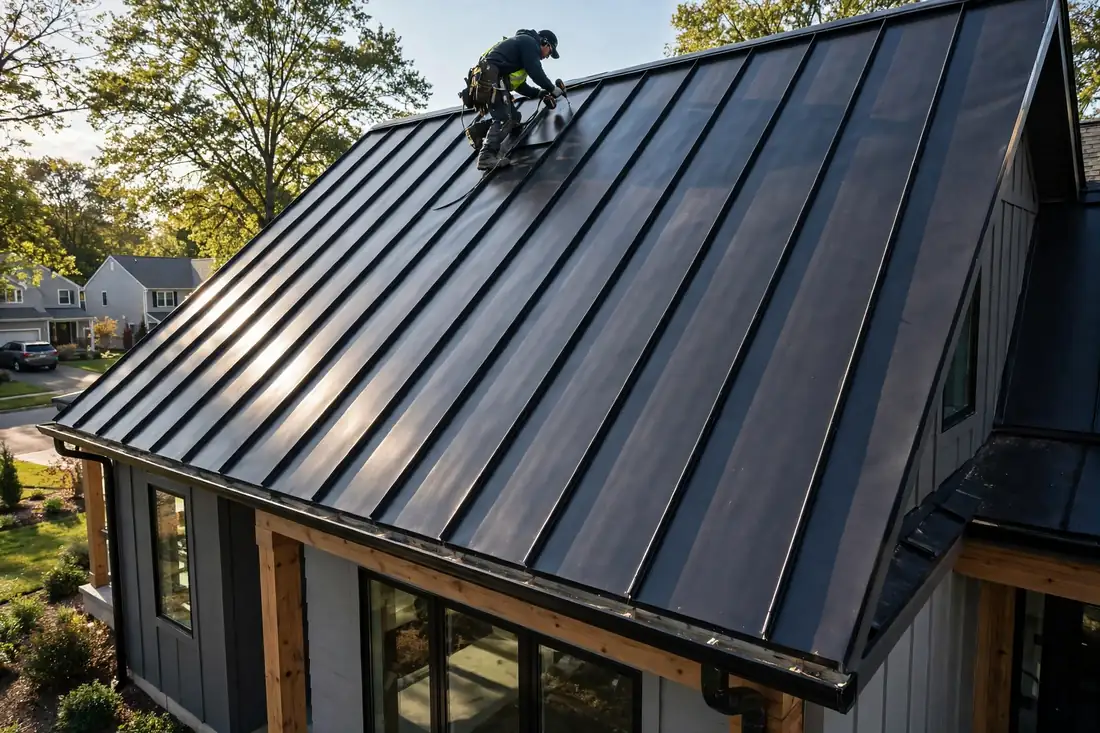
Standing seam and metal shingle roofing for New Jersey homes that want a decades-long roof — snow-shedding, wind-tough, and detailed around chimneys and valleys by craftsmen.
Explore Metal Roofing →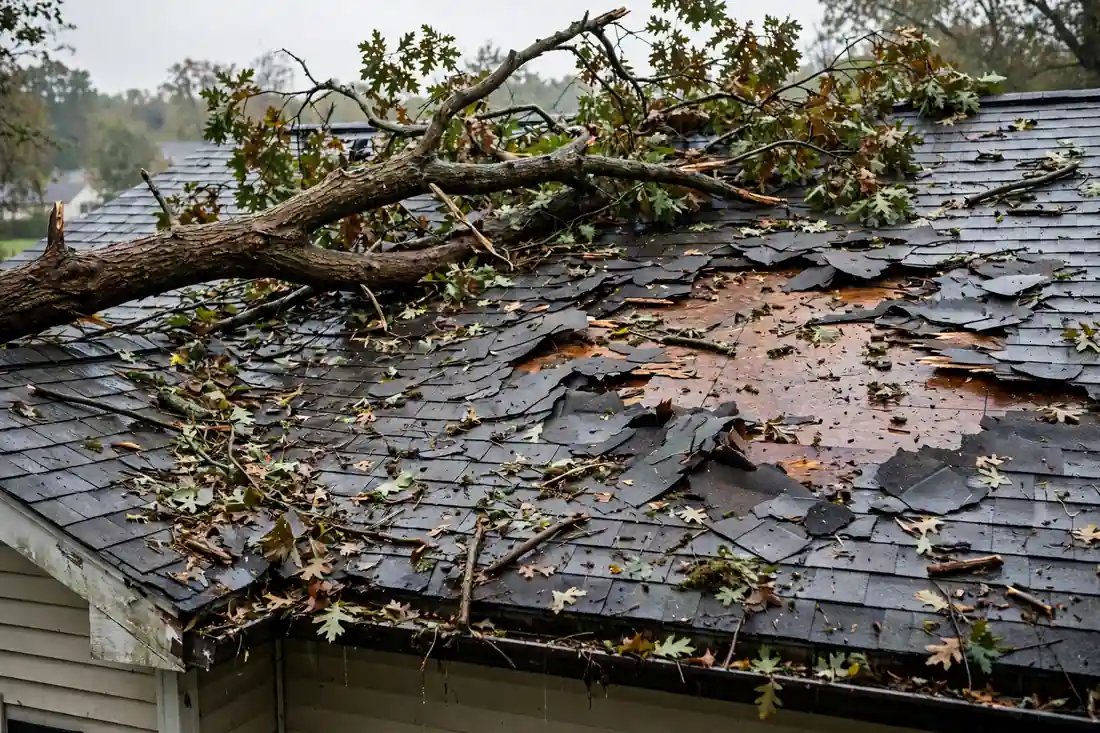
Post-storm roof repair for New Jersey homes — wind-torn shingles, fallen limbs, hail bruising, and water entry, documented properly and repaired permanently after the emergency pass.
Explore Storm Damage Roof Repair →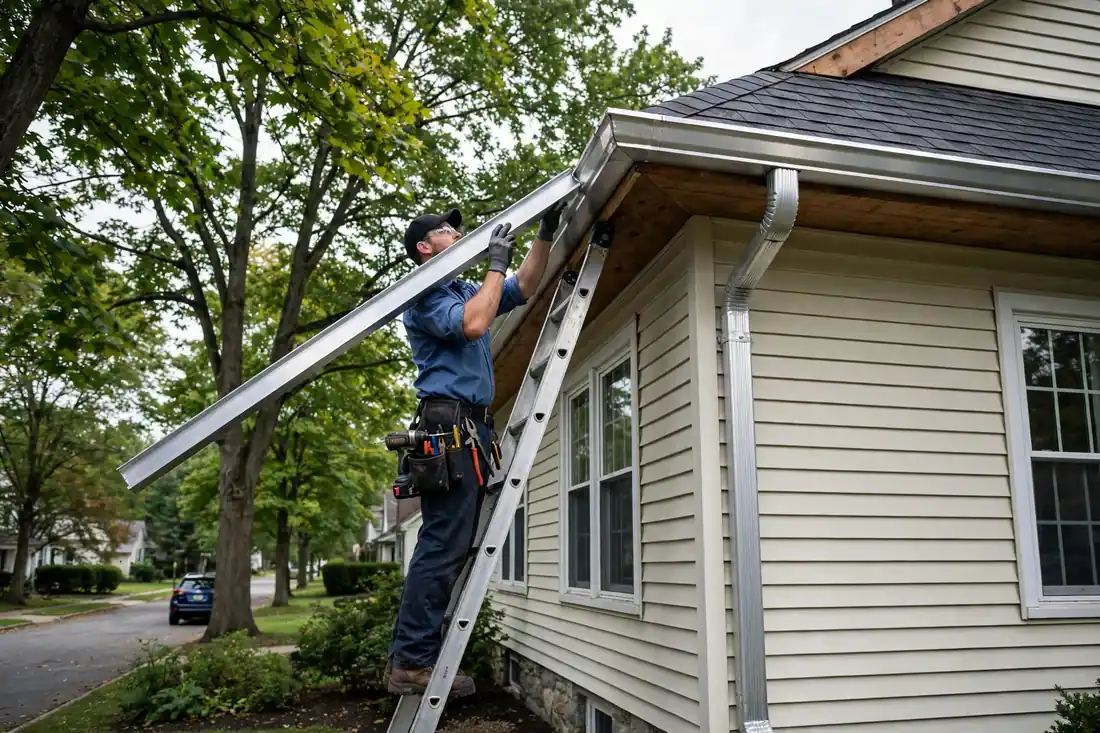
Seamless gutter installation and replacement sized to New Jersey roof lines — moving storm water off the roof and away from the foundation, with downspouts that actually keep up.
Explore Gutter Installation →One call connects you with a local New Jersey roofing professional — describe the roof, hear the plan, decide with evidence in hand.