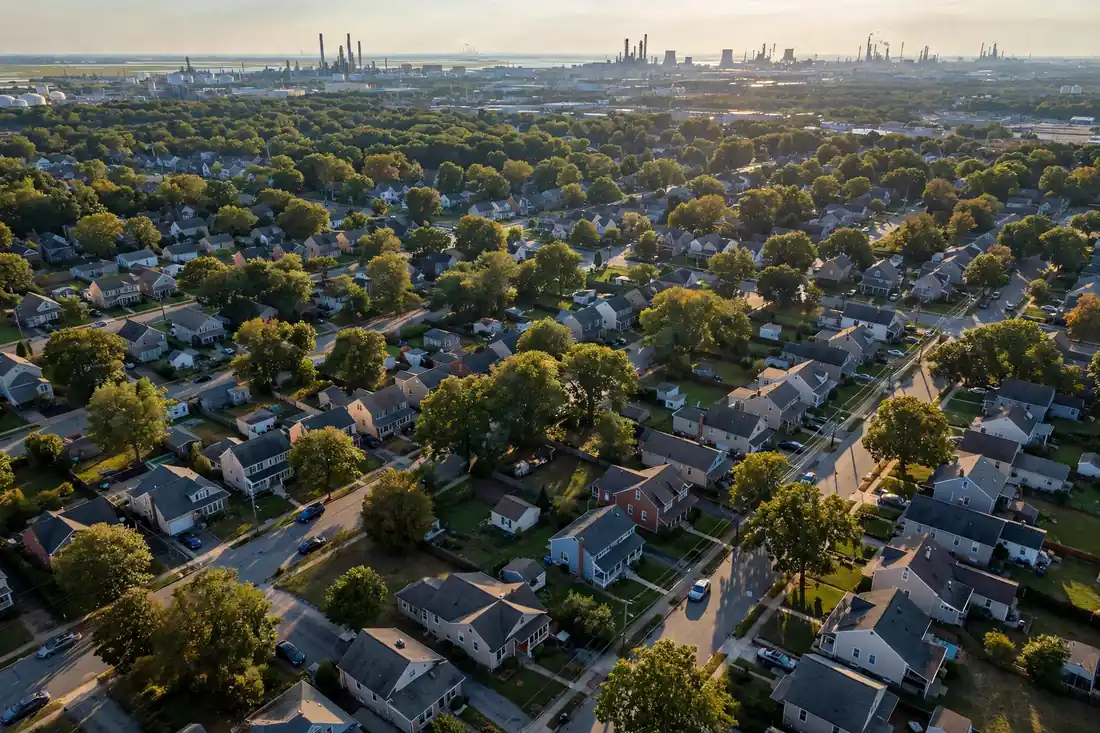
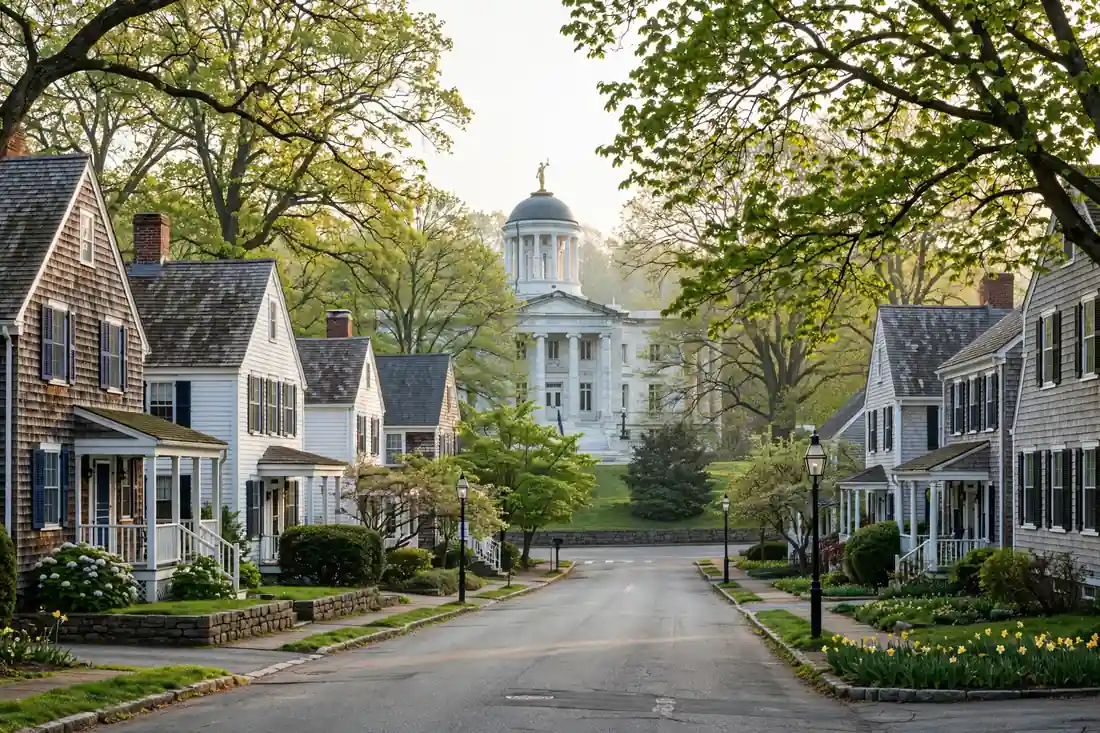
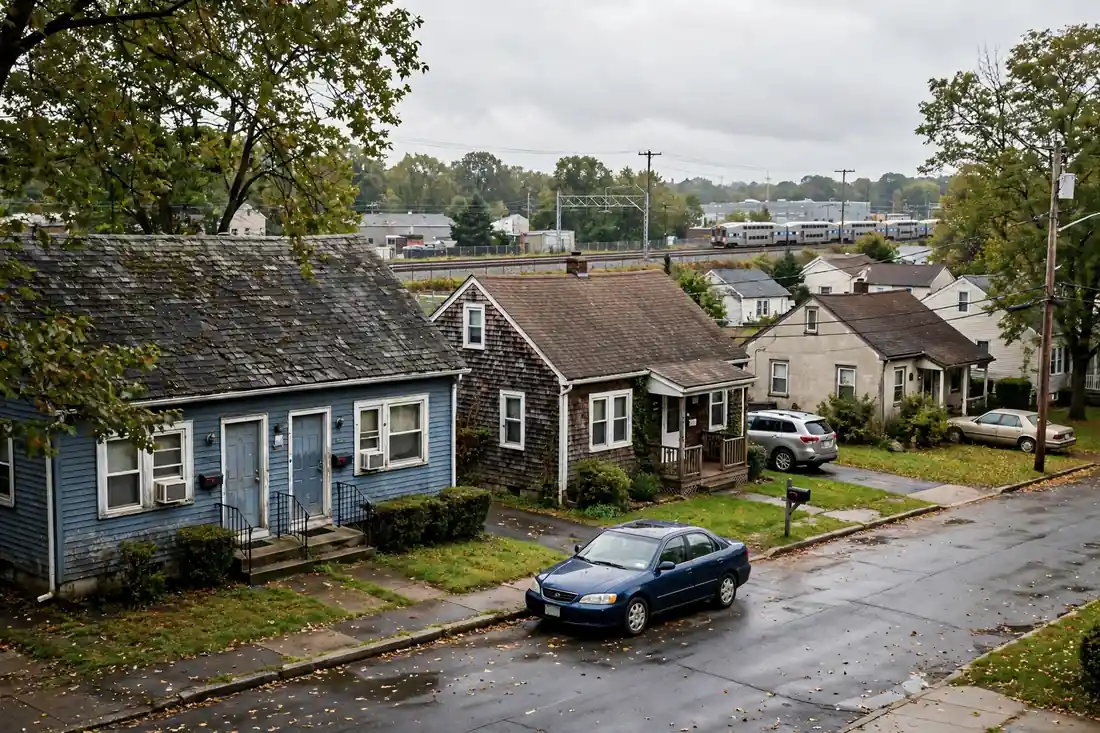
Repeating shingle replacement cycles
On a house you will keep, two or three asphalt roofs across thirty years is the real comparison — metal answers it with one installation.
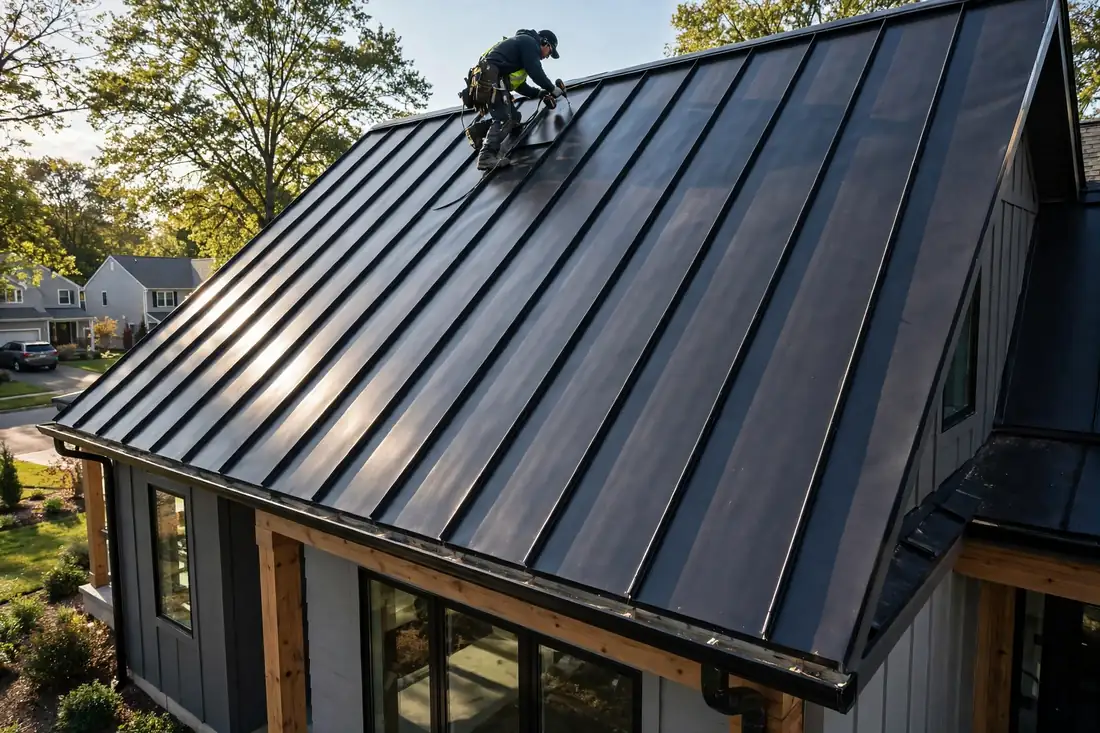
Standing seam and metal shingle roofing for New Jersey homes that want a decades-long roof — snow-shedding, wind-tough, and detailed around chimneys and valleys by craftsmen.
Active leak, storm damage, or a section open to the weather — call now and describe what you are seeing. You will be connected with a local roofing professional.
Metal roofing is the long-game choice: a roof measured in decades, shrugging off the storms, snow loads, and summer heat that cycle asphalt through two or three replacements in the same span. Modern residential metal means standing seam panels — long, clean lines with concealed fasteners — and stamped metal shingles that carry the look of slate, shake, or tile at a fraction of the weight.
The local roofing professionals in this network install metal as a craft discipline, because metal forgives nothing sloppy: panels expand and contract with temperature, flashing must be made to move with them, and every cut edge and penetration is a detail that decides whether the roof is a fifty-year asset or an expensive lesson. This page covers where metal excels, where it does not, and what a proper metal installation includes.
Homeowners planning to stay put for decades do the math once: a metal roof installed in your forties is plausibly the last roof you buy, with maintenance measured in inspections, not replacements.
Metal sheds snow loads that linger on shingles, and with proper eave detailing it starves the ice dams that plague the state's older, under-insulated homes.
Coastal and hilltop homes that lose shingles in every nor'easter are natural metal candidates — interlocked panels and concealed fasteners present no edges for wind to start on.
Long, simple slopes are metal's home ground. Complex roofs can be done beautifully in metal shingles or with panel-and-detail work — the assessment tells you honestly which.
Standing seam panels run from eave to ridge in single lengths, joined by raised seams that stand above the water plane — the fasteners hide inside the seam or under clips, so no screw head weathers in the rain. Those clips are the quiet genius of the system: they let each panel float, expanding on a July afternoon and contracting in January without tearing at its fasteners, which is why a properly clipped metal roof does not work itself loose over the decades.
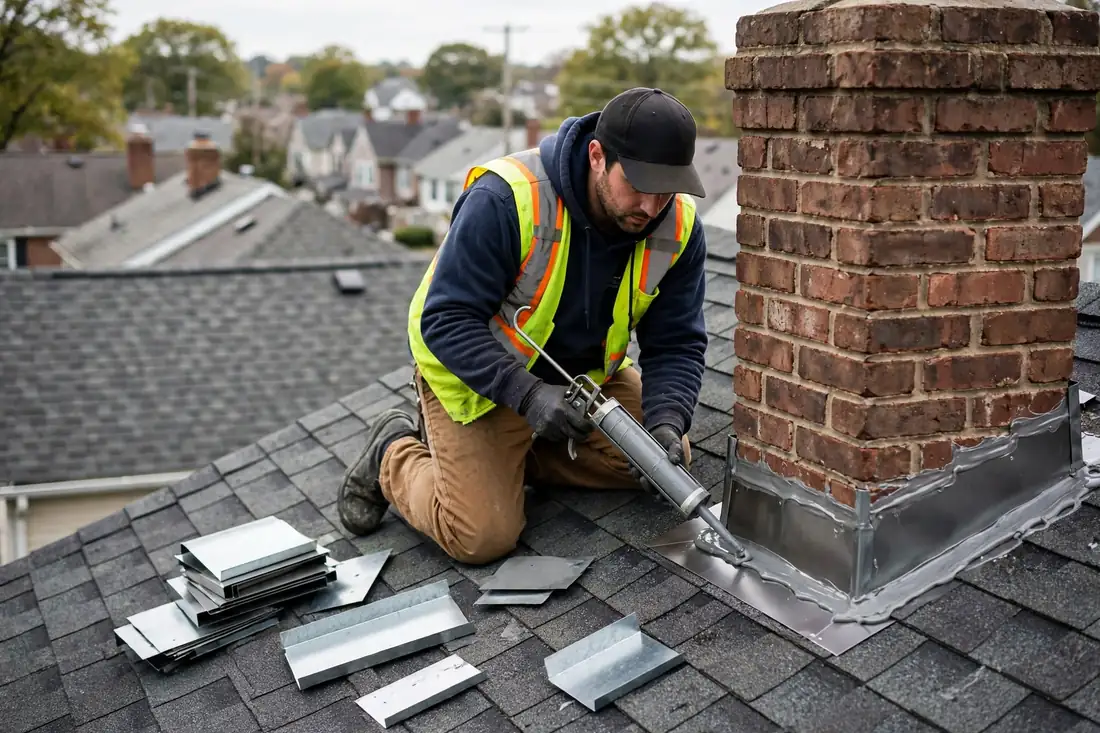
Beneath the panels goes high-temperature underlayment — standard products soften under metal's summer heat — and at every chimney, wall, and valley, flashing is fabricated to the roof itself, hemmed, cleated, and sealed to move with the metal. Metal shingles follow a different logic — interlocking stamped pieces, each fastened and locked to its neighbors — but share the same demand: the details are fabricated, not improvised.
New Jersey has a longer metal-roof memory than most states: the standing seam roofs on its farmhouses, shore cottages, and historic barns have been shedding weather since the nineteenth century, and plenty of those roofs are still on duty. Modern painted finishes bring that longevity to suburban streets — deep charcoals and forest tones across Somerset and Morris-style suburbs, brighter shore colors down the coast, and matte blacks on the Victorians of Plainfield and the farmhouses that still dot Hunterdon's edge of the service area.
Practical local factors help metal's case: snow that slides off instead of damming, summer storms that find no shingle edges to lift, and attic heat reflected by lighter finishes. Some associations and historic districts regulate metal's look — standing seam usually passes where corrugated would not — and a local installer knows the conversations to have before the panels are ordered, not after.
On a house you will keep, two or three asphalt roofs across thirty years is the real comparison — metal answers it with one installation.
Shingle fields hold snow that melts, refreezes, and backs under courses. Metal's smooth, seamed surface sheds the load and the melt path.
Every shingle edge is a potential starting point for uplift. Metal panels present a continuous surface with concealed fastening — there is no first edge to peel.
Exposed sites age asphalt early. Metal's surface does not lose granules, soften, or curl; its finish is engineered for decades of sun.
A metal roof answers with material and method together:
Slope, complexity, structure, and local rules checked honestly — including when the right answer for your roof is not metal.
Gauge, profile, seam type, finish color, underlayment, and the flashing plan — the full build, documented before ordering.
Chimney crickets, valley pans, wall flashing, and ridge closures made for your roof's actual dimensions.
Clips, hems, and clearances set so the roof can breathe through New Jersey's temperature swings for decades.
Expect a different soundtrack for a while: rain on metal is a sound homeowners either love or adjust to within a season, and proper underlayment and attic insulation keep it a murmur rather than a drum. Snow will announce its departures — plan the slide zones away from entries and walkways, and ask about snow guards where a slide would land badly.
Maintenance shrinks to vigilance: a look at seams and sealant points every few years, debris cleared from valleys, and finishes washed where tree sap and shore salt settle. That is the whole program — the roof you installed to end roof projects asks only to be looked at occasionally, and rewards it by simply continuing.
Screw-down agricultural panels have their place on barns; on homes, every exposed fastener is a future maintenance point. Residential metal means concealed fastening.
Panels pinned rigidly oil-can, loosen, and sing in the wind. Clip systems and correct clearances are not details — they are the technology.
Metal roofs run hot in summer sun. Underlayment not rated for that heat degrades years early beneath a roof built to last decades.
More metal roofs are betrayed by chimney and wall flashing than by panels. Fabricated, movement-aware flashing is where the craft budget belongs.
Associations and historic districts may govern profile and color. Confirming before fabrication avoids the most expensive conversation in roofing.
The panels outlast everything attached to them. Sealant at terminations and any exposed detail wants renewal on a ten-to-fifteen-year rhythm.
Metal sheds debris to its low points as efficiently as it sheds water. Clear low points drain clean and dry fast.
Coastal air and pine sap both sit on finishes. A gentle wash restores the surface and the reflectivity that keeps attics cooler.
Slopes measured, structure and rules checked, and the metal-versus-shingle conversation held with your roof's actual geometry on the table.
Profile, gauge, finish, underlayment, and every flashing detail specified in writing; panels are then cut and formed for your roof.
Old roofing removed, deck inspected and made true, high-temperature underlayment and ice protection installed.
Panels clipped and seamed, details fabricated in place, grounds cleaned, and the finished roof walked with you seam by seam.
Local roofing professionals for metal roofing serve Newark and fifteen more New Jersey cities. Choose your city for local detail:
Standing seam metal roofs commonly serve forty years and well beyond in this climate — the panels and modern finishes are built for it, and New Jersey's own farmhouse roofs prove the point across a century. The system's details — sealant points, flashing — want periodic attention on a much shorter cycle, which inspections handle.
Over a solid deck with underlayment and an insulated attic — the standard build — rain sound is comparable to any other roof, a soft patter rather than a barn-roof drum. The noisy reputation comes from metal over open framing, which is not how houses are roofed.
Standing seam suits most residential pitches, including fairly low slopes where shingles struggle, because its seams stand above the water plane. Very low slopes and complex roofs are judged case by case — metal shingles or a membrane may be the honest answer there, and the assessment will say so.
A documented, professionally installed metal roof is generally read as a long-life asset by buyers. Insurer treatment varies by company and finish — keep the installation documentation with your home records for those conversations.
Standing seam comes in a wide finish palette — charcoals, bronzes, greens, shore blues, matte black — and metal shingles imitate slate, shake, and tile profiles. Bring your association or historic-district rules to the first conversation and the samples will be pre-filtered to what your street allows.
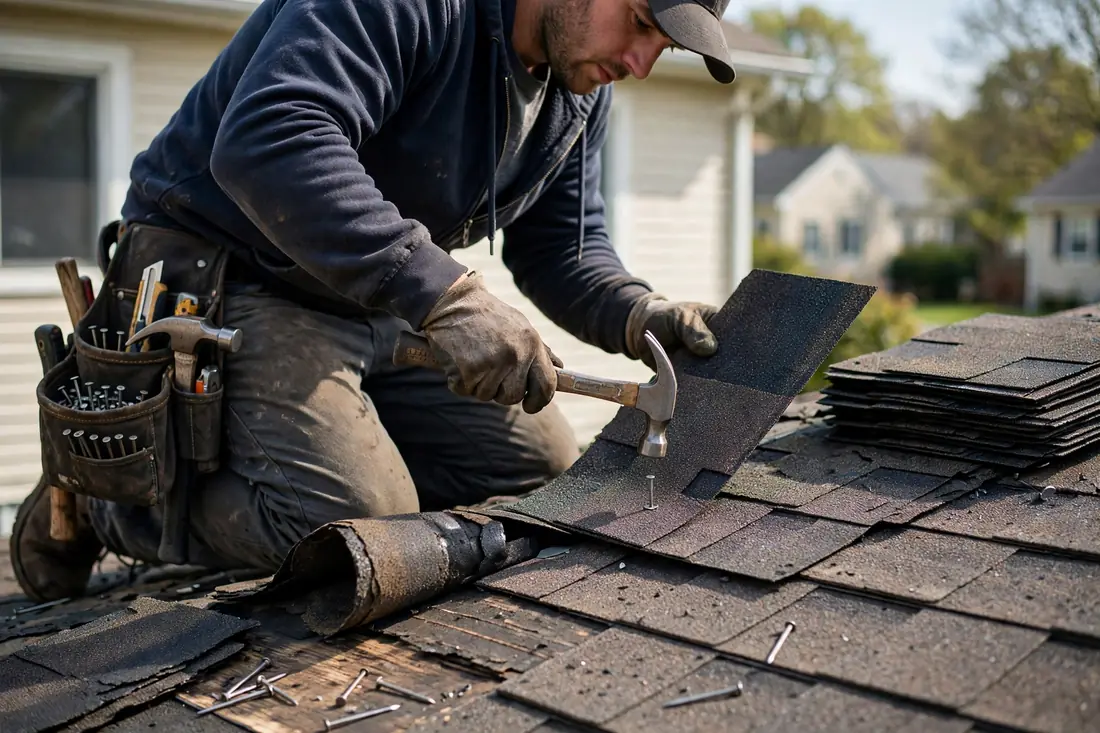
Targeted repairs for the failures New Jersey roofs actually develop — lifted shingles, tired flashing, worn pipe boots, and small leaks caught before they reach the ceiling.
Explore Roof Repair →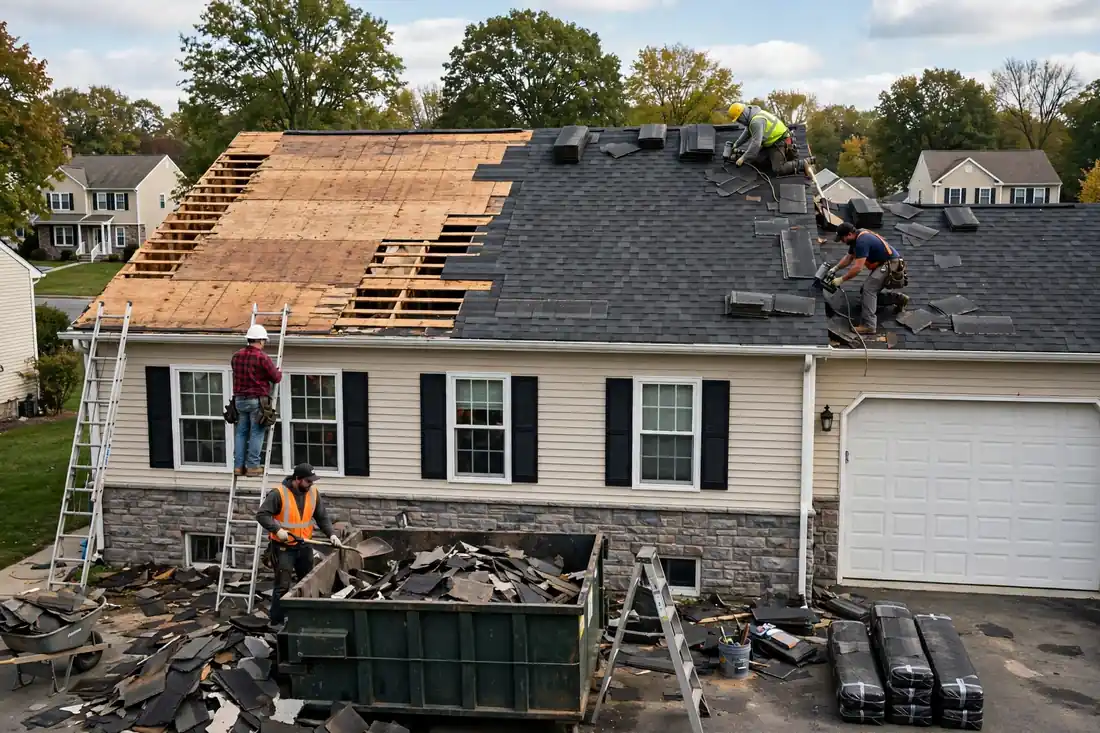
Full tear-off and re-roofing for New Jersey homes whose shingles have reached the end of their service life — deck inspection, modern underlayment, and a roof built for nor'easters and freeze-thaw.
Explore Roof Replacement →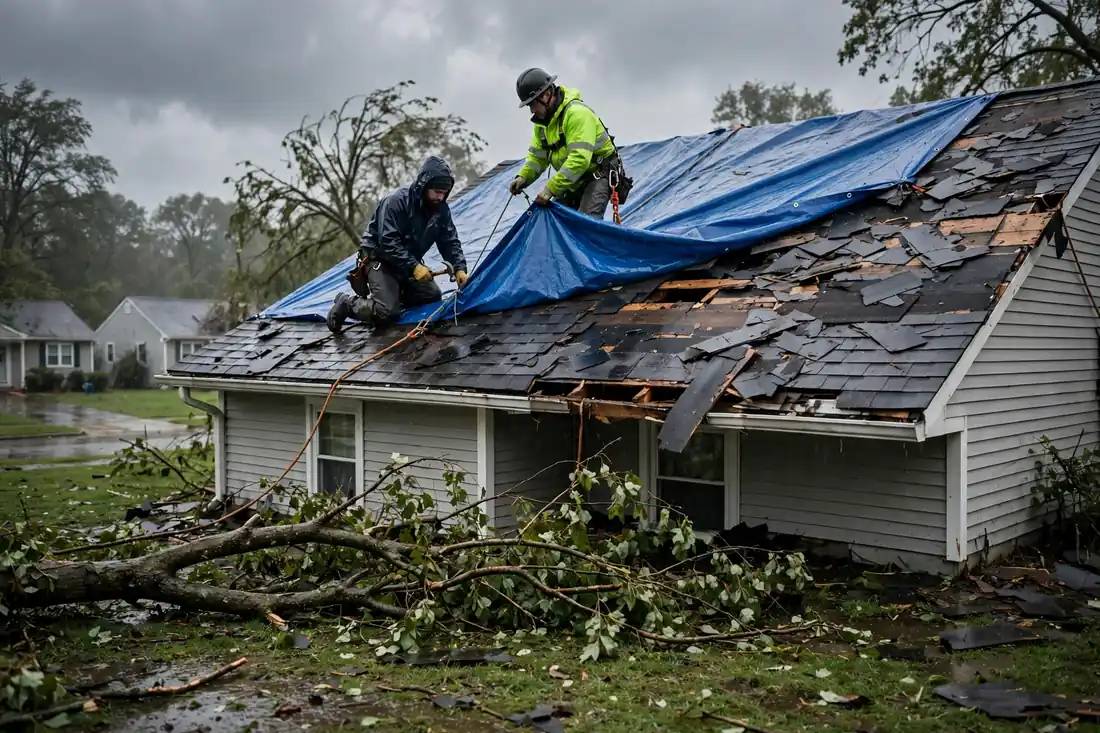
When a storm opens your roof — fallen limbs, torn-off shingles, active leaks — the first job is stopping the water. Emergency tarping, temporary sealing, and the permanent repair that follows.
Explore Emergency Roof Repair →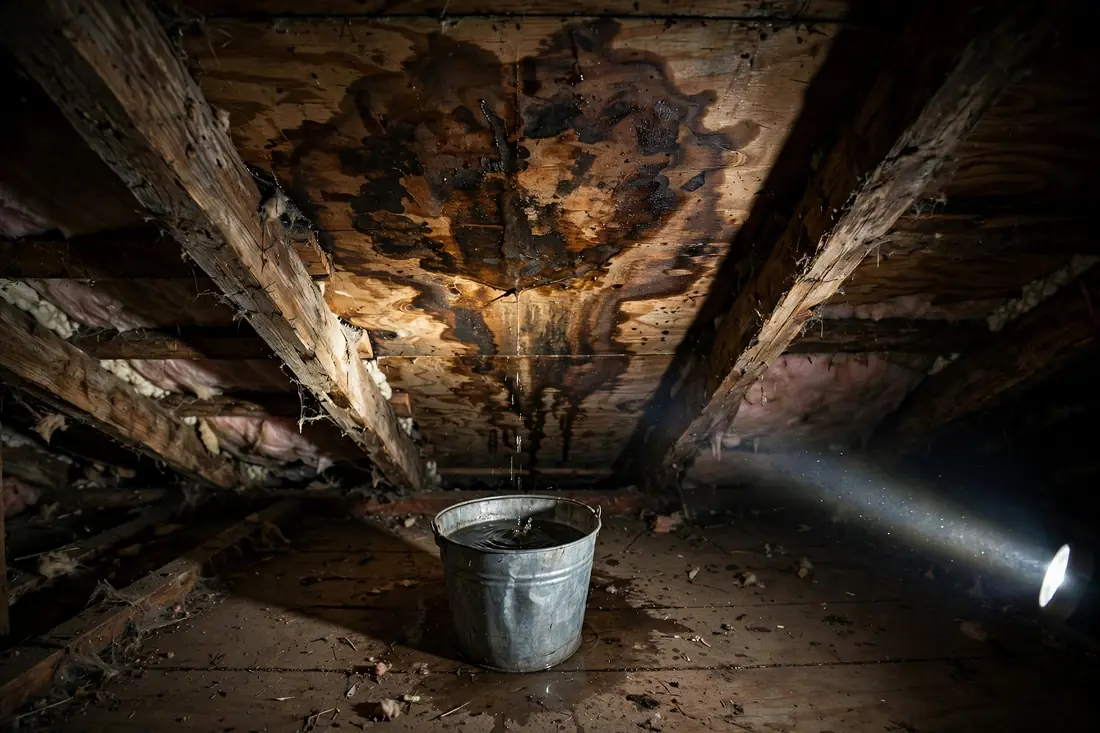
Leak detection and repair that starts where the water starts — tracing stains back through the attic to the failed flashing, boot, or seam that let the water in.
Explore Roof Leak Repair →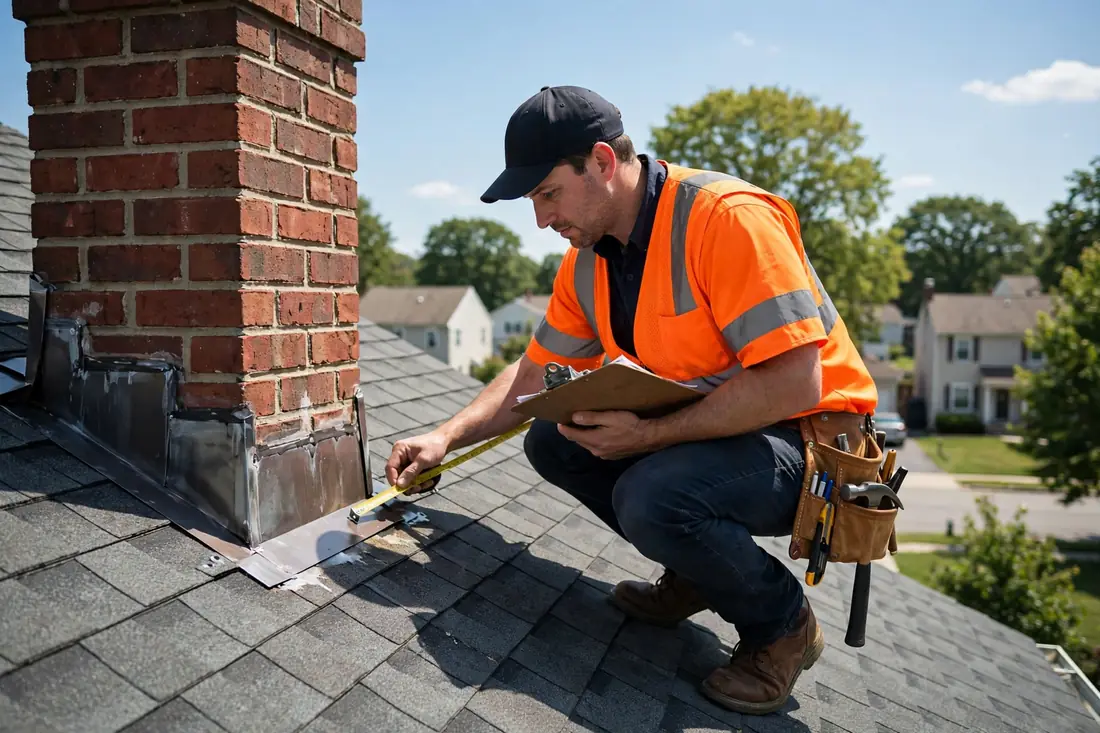
A full condition report for your roof — surface, flashing, deck indicators, attic, and ventilation — so repair, replacement, and storm decisions rest on evidence instead of guesses.
Explore Roof Inspection →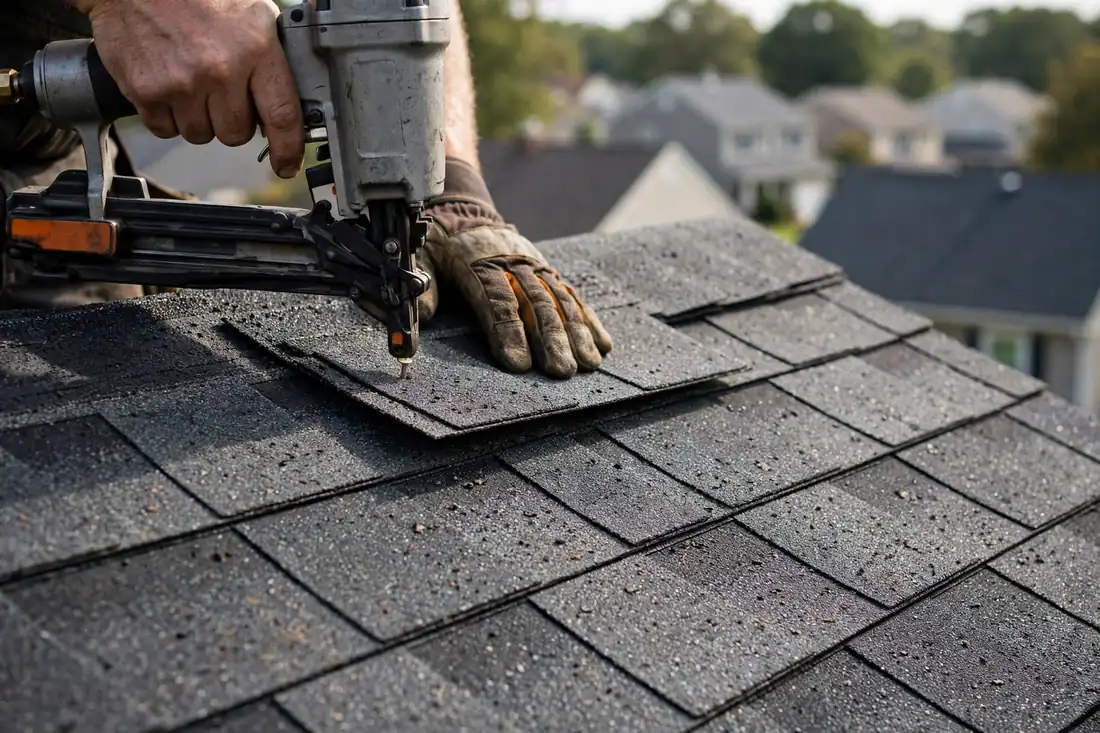
Architectural asphalt shingle installation and replacement — the workhorse roof for New Jersey homes, detailed for wind, ice, and summer heat, in the profiles and colors that suit each neighborhood.
Explore Shingle Roofing →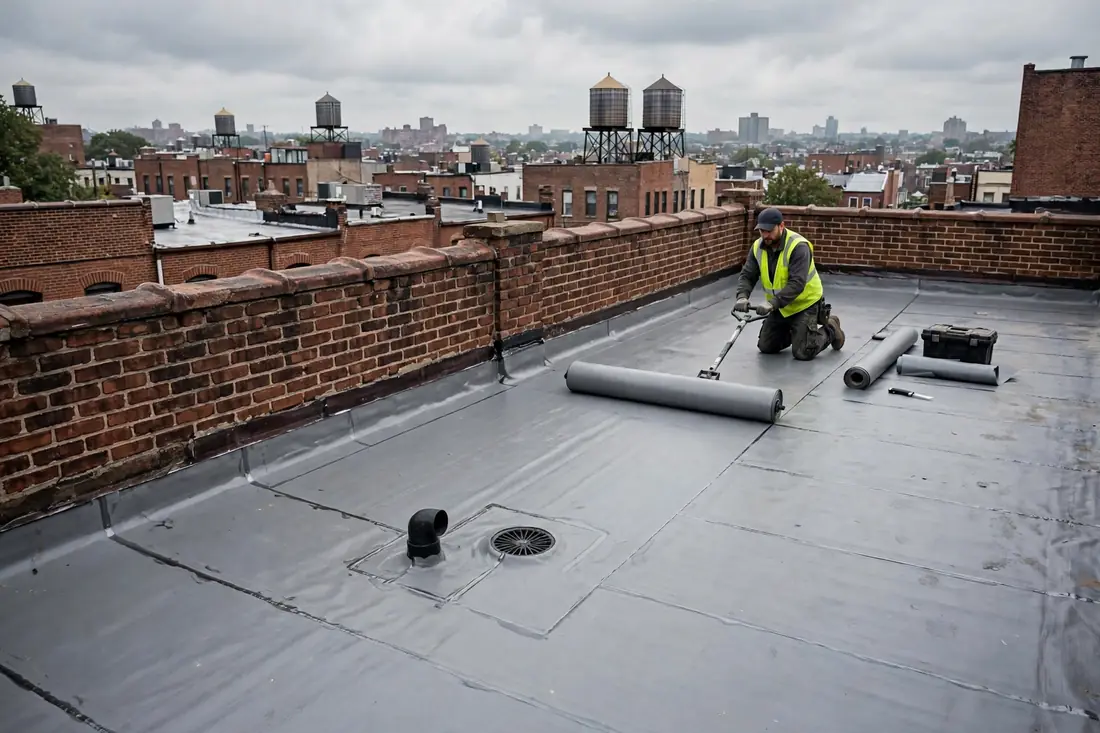
Membrane flat roofing for New Jersey's rowhouses, additions, porches, and low-slope sections — seams, drains, and ponding handled the way flat roofs actually demand.
Explore Flat Roofing →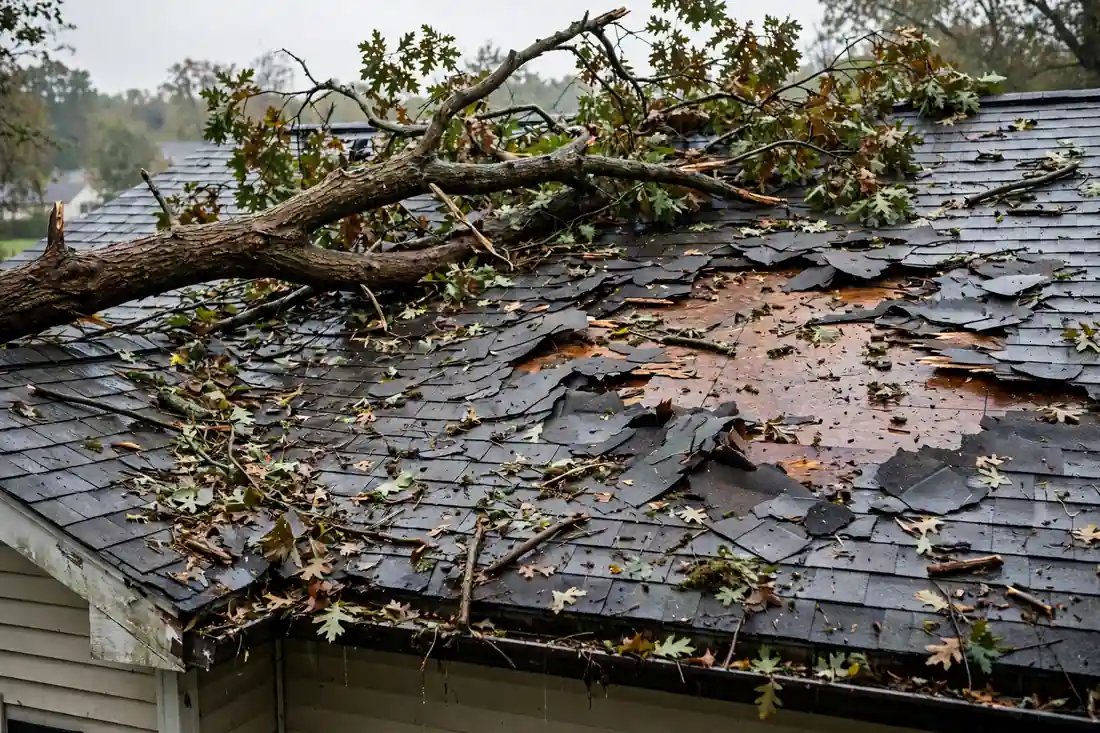
Post-storm roof repair for New Jersey homes — wind-torn shingles, fallen limbs, hail bruising, and water entry, documented properly and repaired permanently after the emergency pass.
Explore Storm Damage Roof Repair →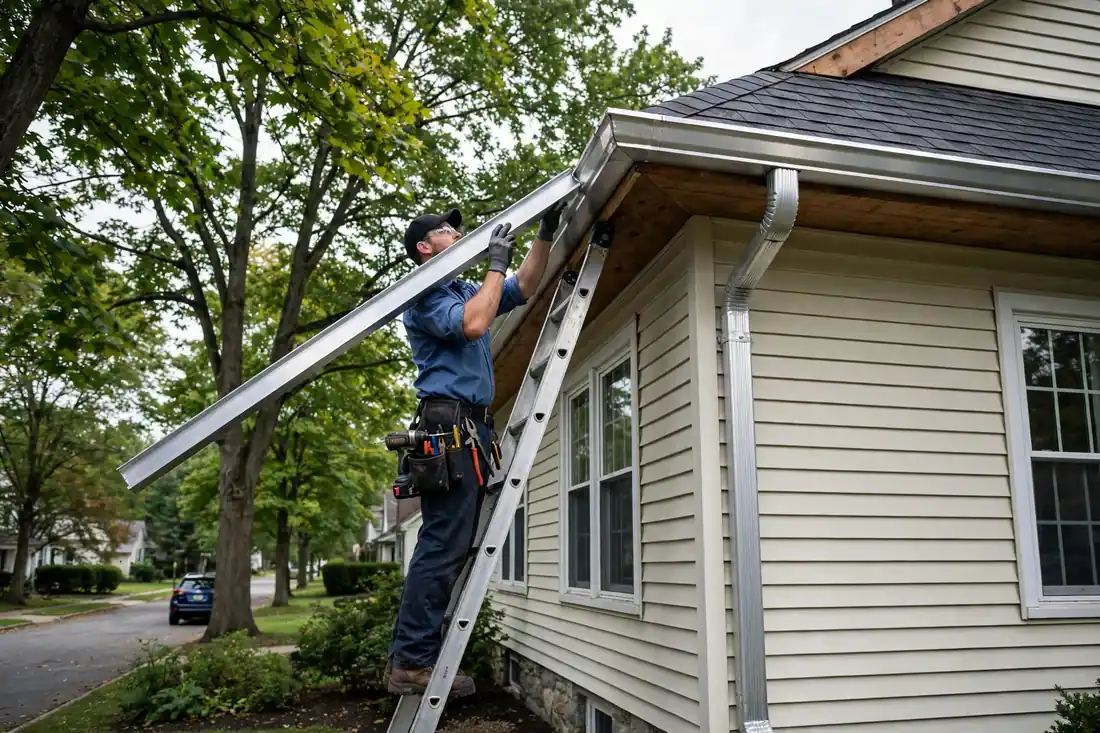
Seamless gutter installation and replacement sized to New Jersey roof lines — moving storm water off the roof and away from the foundation, with downspouts that actually keep up.
Explore Gutter Installation →One call connects you with a local New Jersey roofing professional — describe the roof, hear the plan, decide with evidence in hand.